



 Worth OwningEp. 04
Worth Owning · Episode 04
The $65M exit, and life after Inkbox
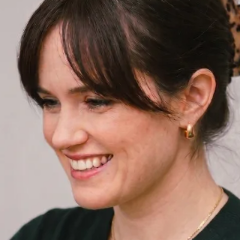
 Hosted by Krystyn Harrison · With Tyler Handley, Co-founder, InkboxSep 2025 · 48 min
From a fruit in the jungle to a $65M sale to BIC
Overview
Tyler Handley wanted a tattoo he wasn’t sure he could commit to. Temporary ones felt like they were made for kids, so he went looking for something better and found a fruit that tribes in Panama and Peru used to dye their skin. With his brother Braden, he turned it into Inkbox, a semi-permanent tattoo brand, and in 2022 sold it to BIC in a deal worth $65 million.
Tyler walks through how the company got there: proving demand on Kickstarter, repositioning the brand from a tattoo marketplace to a replenishable beauty product a buyer could picture on its shelves, and what venture money changes about when you can sell.
Then the part most exit stories skip. The deal was retraded near the finish line when Apple’s privacy change hit their ad costs. Tyler used an alter ego to hold the line on calls, and once the money landed, it took eight months for the stress to leave his body. His advice to owners before a sale: untether your identity from the business, because the feelings you carry in will carry out with you.
Chapters
What you’ll learn
Where does your business stand today?
Get your Optionality Score →More on the episode
Note: Krystyn, Matt and their guests may hold interests in companies discussed in this episode. Worth Owning is not financial, legal, tax or investment advice, and is for informational purposes only. Do your own research and speak with your own professionals before making any financial decision.
You may also enjoy
All episodes → Worth OwningEp. 18Susan Richards
 Worth OwningEp. 09Peter Hwang
 Worth OwningEp. 03Jacqueline Dinsmore
 Article · 9 min readOwner dependenceHow do I make my business run without me?
Transcript · Worth Owning · Episode 04
The $65M exit, and life after Inkbox
Tyler Handley, Co-founder, Inkbox · Sep 2025
Tyler
You know, I think a lot of the best consumer brands come out of an individual desire for a product that doesn't exist or that could be better. I do feel fortunate that the first one was the one that really hit. You know, there's two paths obviously, right? There's the path where you raise investor capital and there's the path where you don't. And so when you go down that venture path, like you're really either setting yourself up for the craziest exit or nothing at all. My board didn't want me to sell, for example. Like I had to pretty much like convince them and like pressure them to sell because they wanted that higher return.
So we got that uh initial LOI and it was obviously lower than we had wanted. I would take on an alter ego like I would do this practice like the you know 15 minutes before call and put myself into this different mindset. I had this always this deep pressure. I didn't realize that I could live without that. It took me about 8 months after the sale for it to really finally go away. And I kind of felt this like freedom.
Krystyn
What if tattoos didn't have to be forever? That question led brothers Tyler and Braden Handley to create Inkbox, a brand that made semi-permanent tattoos cool and eventually caught the attention of global giant BIC, the pen company. In 2022, BIC acquired Inkbox in a deal worth 65 million. And today, Tyler shares how Inkbox went from an idea sparked in the jungle to a cultural movement and what it's really like to sell the company you've built. From the rush of the early success to the reality of deal negotiations to the challenges that come after an exit, this is Tyler Handley's story. And Tyler, it is a true honor to be able to share this story. Welcome.
Tyler
Thanks for having me. And what an intro. Wow. Like you're such a natural at this. Uh, no wonder you're doing podcasts. I tried myself and I was like, uh, I'm more of the person being interviewed, not the interviewer. So,
Krystyn
It's so humble. But when you hear your story shared like that, I'm curious, you know, thinking back to the very origins of when you started and now you're here post exit, you're in your music studio. We were chatting about all the hobbies you've designed and how you're allocating your time. Um, and is it surprising to you that you're here? You were to look back on younger you starting Inkbox.
Tyler
You just said I was humble and my answer to this question is actually no. So yeah, I kind of always knew I would be successful in like in a business sense, you know. Um and that's something we can get into. There's obviously different types of success, right? But I always knew. I think I had this deep yearning for challenge and adversity and just kind of pushing through things and figuring things out and building and creating and yeah, I just always loved that kind of stuff. And so I always knew that it would work for me someday. And I do feel fortunate that the first one was the one that really hit, you know, because having started another company now, it's like, oh man, like I have a lot to live up to. So,
Krystyn
Right, could could I do it again? Right. That that question. Well, and just the playbook, just what I'm hearing there is that your core mindset and mental model is like I am I am going to learn. I'm going to get the knowledge. I heard you say knowledge about that year of the build and I'm resilient enough to keep going until I figure it out. And you did figure it out on your first go. What was the origin of that story? I've I've read about it online. You and your brother in the jungle discover this kind of plant-based ink that eventually became the product that you took to market and created a movement around. What was that first moment like? That discovery?
Tyler
Yeah. So, you know, I think a lot of the best consumer brands come out of an individual desire for a product that doesn't exist or that could be better. It's just these personal frustrations you have and you're like, "Wow, I can figure this out. Why has no one done this?" Like, it's ridiculous. And it was the same thing for me. I was 25 at the time and it was in that kind of transitionary stage in my life where I'd moved back to Toronto and I wanted a tattoo and uh people often get tattoos in these transitory moments of their lives and I wanted this particular design but I'm like I don't know if I can commit to this one forever.
It was something that I knew I'd regret. Um, I have many now, uh, permanent ones, but at the time I feel like I didn't know myself enough. And so I was like, I'd love to test this beforehand. So started playing around with temporary tattoos and very quickly just realized they were just for kids, you know, they weren't cool enough for me to wear as someone in their mid-20s and kind of feel confident wearing it, you know. Yeah. And uh yeah, just after a few weeks of research, just came across this fruit that these tribes in the jungles of Panama and Peru uh were using to dye their skin in these ceremonial rituals.
And so tried to figure out how to get it, but couldn't couldn't figure it out. Like it just wasn't importable. And so I had told my brother about the idea at the time. We decided to do it together. And um yeah, we ended up getting in contact with this guy uh who lives among the tribes down in this region of Panama called the Darién. And so we're like, "Hey, can we come down and see this stuff?" And he's like, "Yeah, sure. We'll we'll host you." So we went down um to this region of Panama. And it was pretty funny because you kind of enter this region and there's they don't have military there actually.
They have like military, they have police. Yeah. Yeah. But anyways, we spent some a week with the these tribes and they kind of did all the rituals with us and it was really cool to see how they used it and we realized that in its state that they use it was not suitable for what we did. But obviously there was something going on in the composition, the chemical composition of this fruit that we could use. And so we brought some of it back with us and got some chemists involved and realized that, you know, there's this active ingredient in there that we could actually get from a different area um from a different plant at scale and then use that kind of build upon that. And that's kind of where the uh inspiration for the technology, the product came from.
Krystyn
Incredible. And so you had this idea, you had this itch where you wanted to find your own way of having a temporary tattoo that wasn't, you know, from like a kids carnival essentially and really something that was more um you know, modern and fresh. And so it was just from a kind of the origin story. When did it become go from like being this experiment, this early thought experiment to no, this is there's something here. Or let's let's invest, let's get behind this, let's bet on this.
Tyler
So, I think I advise founders typically on this that you just talk to people initially. You just kind of tell people your idea, you know, like what do you think? You know, would you buy something like this? Do you think people would? And you just get a feel. People ask you questions. You start to refine your idea more just through conversation. Uh that's very helpful. And you know, I started to feel like, okay, you know, this might be a thing. You know, it's validating my own judgment, which is you got to kind of validate your own judgment sometimes. Um, and then for us, it was when we launched on Kickstarter, you know, it's the challenge with any consumer brand is just how do you get in front of people, especially in this attention economy, and Kickstarter back in like 2015, 2016 was a really effective way to get in front of a large audience of potential buyers for a new innovative product.
So we took like literally half of that, put it to our Kickstarter, and we were just giving 20s to people at DMZ and like just walk around like, "Hey, go back us, like go back us and kind of try to game the algorithm a bit." But it was after the first week there where we hit like like I think it was like $40,000 in one day. I remember my brother and I were just like, "Oh, okay. Yeah, there's a there's something here." Yeah.
Krystyn
And what was that like? So you know, you find the demand. Whoa, demand is here. Hello. Um, so you're kind of your hunch was right on scratching your own itch. There's other folks who had a similar want, desire. What was it like to fulfill those first orders? What was challenging? What was hard about that? Or was it easy? Was it a walk in the park?
Tyler
No, it's just a lot of figuring stuff out really. Just a lot of problem solving. Just we didn't know what to do, right? So, it was every day was constantly like the how do we figure this out? It now is so much easier with chat or something like with AI Gemini just be like, hey, how do I do this? But, you know, before that it was like you kind of had to figure it out.
Krystyn
Totally. Well, and you're constantly in problem solving mode. But to take this raw material that you found in the jungles in South America to the hands of a consumer to build that supply chain, what was that experience like? That would be challenging.
Tyler
Yeah. Again, had no idea what it was doing. We knew we needed like it to be on some sort of like patch that you could apply on your skin. Like, okay, who makes things that stick on the skin? And it's like 3M. 3M makes band-aids and all this stuff. So Band-Aids is the first thing we're thinking of like who makes band-aids and so just honestly started reaching out to random people like not random but like people I thought kind of wouldn't know what they're talking about at 3M. Got some responses and then from them from there they were like okay actually you need to talk to this manufacturer. This is like you know we don't use them but like you could use these people like this is what they make and then it just snowballs. So like you kind of have to just go out and we would find someone to talk to. They might not know the answer but they knew who would. And so just through that iteration we would figure things out.
Krystyn
Knowing what you didn't know and then seeking advice and then and then you did very much figure it out and you got to a point where you've started it. You started to scale. You get to the exit phase. And something we talk a lot about with folks is the idea that an exit is more than a transaction. There is a phase of building where you're preparing for that for a strategic exit, right? That's more in control uh for you versus one that happens to you because every founder will exit. Um what was that journey like scaling it and then getting it to that exit point uh with BIC?
Tyler
Um I mean scaling it was just a lot of slog to be honest. Um it always felt like we were pushing and pushing and pushing and then for maybe 2 years it felt like we were being pulled along from the markets. Um and that was COVID I think COVID actually was you know really good for the business because a lot of people were bored at home. They were buying products like ours and so we just ramped like crazy during COVID and that's when I think people started to reach out to us and um BIC had reached out the CEO had reached out personally to me and you know we just kind of had chats here and there um until one day he was like I want to buy you and I was like okay let me talk to my board and then wow it yeah it went from there
Krystyn
And so did you see an exit path from the moment you started building was that always part of your longer term vision
Tyler
Um I mean as as a venture-backed business. Yes. Um but it wasn't always exactly clear who would buy our product. We were kind of unique in the sense that we developed some new technology for the skin. This new nent category of tattoos which hadn't really been touched upon in the beauty sector much. I mean Kat Von D for example had a famous tattoo artist from Miami Ink. I think she had created a beauty brand kind of framed around tattoos but like they still just a beauty brand. Right. Right. Um, we're actually like we had some new product innovation and stuff. And so there's actually an interesting point in the evolution of Inkbox where the initial vision I had for it was very full fully vertically integrated across the tattoo space.
And that meant we were a marketplace for discovering tattoos, testing them, educating consumers on them and then matching them with artists locally to book said tattoos and we would take a cut of those. So that was always my initial vision for Inkbox and yeah and so the brand really shifted to focus on treating the product more like a replenishable beauty accessory.
Krystyn
Interesting. And so what I'm hearing is you started from like a tactic perspective. I'm hearing you sort of thinking about the universe of potential buyers who would buy the company and then thinking about perhaps some of the reasons why Inkbox could be positioned very attractively. And so it shifted from this ecosystem partnership play to the physical tattoo kind of space to hey this is a replenishable product that is a brand new category for someone to enter. This is a new vertical that they could sell to either their existing base or a net new target market to reach. I mean that is that's a very attractive proposition. Did that change the way when you were thinking about strategic bets or decisions in the business? Did that change the way you thought about your focus and what you chose to say yes to versus no to during that build?
Tyler
Oh yeah, changed a lot of things. How we positioned the brand for example. Um how we talked about the product. Um target customers even like we actually started targeting younger um interesting because they were more active beauty buyers and consumers. Um who we collabed with was another like it really affected everything. Yeah. The entire business model, the entire strategy for the business, customer-facing materials.
Krystyn
What was it just in terms of timing pre-exit? How when did you start to think differently about that? Was it a few years before?
Tyler
That was probably in 2018 2019 after our series A investment. That's when like you have you once you raise a series A it's like okay you have your investors are on your board like it's you know it becomes they become really involved and uh they have power um which you know they don't before necessarily. So that's when things really started to change for us.
Krystyn
This is a really important point just around who you bring during this pre-exit phase onto the team. Um outside capital being a core driver especially in consumer products when you're having to build and create inventory there's a lot of capital involved in scaling a brand like this to the level that you did if you think back if you think about the DTC Canadian founders who are building right now um what advice would you have for them about that specific part of the journey about maybe investor selection or thinking about how to get to the level that you did in your build?
Tyler
Yeah, I would say there's two paths obviously, right? There's well there's many more paths than two, but broadly speaking under umbrella terms, there's two, right? There's the path where you raise investor capital and there's the path where you don't. And in that path where you don't, you might still raise a little bit of money from private individuals, some angels, but that's very different than raising from institutions because institutions have internal rates of return they need to hit. Um you know they're placing lots of bets and you're either going to be a 10xer or a zero, right? They don't really have a lot of appetite for the in between and that's what kills a lot of brands specifically in the consumer space cuz it's really hard to 10x investments in the consumer space.
Um it's a physical product, right? It's the scale and trajectory of a software product which at the time in 2015 was kind of like the genesis of what we call DTC direct to consumer commerce cutting out the middleman right and it was all these big companies being launched and working with the mattress for everybody or like you know and very few of them were successful because they raised all this capital and pretended they were SaaS companies but at the end of the day you're throwing you're throwing around physical products it's very
Krystyn
Margins margins are so much that
Tyler
Yeah. And the margins are so much slimmer.
Krystyn
90% 95%. Yeah.
Tyler
So, yeah, it's crazy. It's such a huge difference, right? And you have to get customers to repeat and repeat. Um they're not locked in on a subscription. So, it's very different. Um and so when you go down that venture path, like you're really either setting yourself up for the craziest exit or nothing at all. And there's really not a lot of appetite in between. It can happen like we were in the in between, but like it's pretty rare. Like my board didn't want me to sell, for example. Like I had to pretty much like convince them and like pressure them to sell because they wanted that higher return.
Um, and if you go down the other path, you just have a lot more control. But I would say the benefits of the venture route, especially if you're like inexperienced, is the network. So I always knew that I was trading equity in the business for the network that I would get through the connections. And I met some amazing people made me it got me great hires like that does a lot for you and it's not talked about a lot
Krystyn
And that that component there like the relational capital that builds companies that a lot of folks don't necessarily think about um and the knowledge that you're going to be able to access back to kind of the key theme that I'm hearing through your story um accessing that knowledge to be able to accelerate the growth of the business also stepping into a decision point with you and your brother going like do we take this first round this first check this first external capital we own all of it and now we're going to trade off some of it on the bet of a bigger thing. This all or nothing kind of mentality you're talking about. Um this risk tolerance that I'm hearing for you as well. What was that moment like when you decided you know this is the path this is the path we're taking?
Tyler
Yeah, it was easy at that point. I think, you know, there is a starry-eyed kind of magnificence to it where you're young, you're inexperienced, but someone's betting on you and you're like, okay, sweet. Hell yeah. And we had some people try to bet on us where there were like really sharky deals where like, are you kidding me? Like, get out of here. Like, like people trying to take advantage of you kind of. Um, so I think being a good judge of character is important there and being just, you know, being able to back channel and ask different people their opinions on other people was important, but we always I think there was no hesitation in us taking capital because we knew we didn't know anything like we knew we needed the connections, the network. Um, I don't even think it was like any sort of like cognitive thought about that. It was just like a deep understanding that like something we knew we needed.
Krystyn
Yeah. And you went for it. And so getting to the deal and then I really want to focus on what I don't know if I've seen I've sort of dug up as much research as I could pre pre here, but just on life after and kind of what that feels like. And that's where a lot of exit stories kind of fall flat where you hear about the transaction, you see the headlines, but there's a deeply human aspect to this. Um, and so I'd love to spend time there, but getting to the deal, it sounds like you were extremely strategic, very precise. You worked with your board to really outline these potential buyers.
You built the company and structured it in that way in a very systematic way from what I'm hearing. Um, and then you had an inbound interest from someone who, you know, from BIC from the CEO himself who you'd built a connection with. His key message, people buy from people, and that includes companies. All of a sudden he comes knocking and he says it's you know here's my interest. What ensued from there to get to the transaction close? What was that like that phase?
Tyler
Yeah. So you know typically you'd get a banker or someone to run a process for you and I had when you have a successful company bankers will just always reach out to you. So I knew some so I started talking a few and my board was like hold up hold up like chill for a second here. Like that like does not have a banker like we know what we're doing like we can help you like we don't need to pay the transaction fee like we'll we'll do it with you. Um and so they helped me negotiate. Um you know I was kind of new to that.
Uh so that was very helpful. Um but yeah basically hey we want to buy you. Okay let me talk to my board. Board's like okay let's look at what let's look at the deal. They'll give you a letter of intent usually and that'll have a you know figure attached to it typically and as you can guess the figure was probably too low initially. So we got that uh initial LOI and it was obviously lower than we had wanted and then the negotiation.
Krystyn
Sharpen uh sharpen your pencils is what I hear a lot. There's a lot of terms in M&A and that's a classic one. So yes, please come back.
Tyler
Yeah. So it's like okay, how do we um how do we get this up essentially? So it became and there was about we ran a bit of a process. So it was like a couple months of negotiation with them and in that process of negotiation I was like okay the backup here is I don't want to run a process to for other acquirers right now. Um the thinking was this is an interesting one but at the same time we could run a process for a new random investment. Um so that's we had two funds we received term sheets from two other funds for a series B investment.
Um, so that was like our not really our backup. There's two options, right? And if we couldn't get the deal up over a certain point, then we're going to go the other the investment route. Uh, yeah. So, diligence the before the diligence started, I think the next steps really for me were talking to other people on the BIC team. So, basically their entire senior leadership team I was having one-on-ones with just to get a like you said people buy from people. Was like getting to know the people like they were getting you know a gut check on me and my team and then it kind of spreads from there right it's not just me now then it's my CTO it's my COO it's my CFO my co-founder like everyone starts having calls with counterparts across their team just to build some rapport and you know they're doing diligence at that point right and then after we had negotiated after I think it was 3 months of negotiation we got to a point where we were both comfortable And then the real diligence started uh you know where they look at every aspect of your business and you can imagine because they are a publicly traded company and a French publicly traded company at that um very very deep deep diligence. I felt really bad for my CFO who was handling all the all the diligence.
Krystyn
No kidding. It's I believe the average M&A deal is around 1,500 hours for an M&A adviser or banker to be pulling off on behalf. I'm sure it felt like. So what was the phase? How long was it for you to go through from the moment?
Tyler
Six months.
Krystyn
Okay. So, typical, that's just for folks listening, that's kind of like a good length of time. Typically, it's 9 to 12 months, but 6 months, it's pretty quick. Um, what was that? What did it feel like for you personally?
Tyler
Oh, super nerve-wracking. Uh, and just tense the whole time because you're, you know, it's not just about you, right? Like you have your own desires here. You see the I didn't grow up with money, right? And so like seeing the amounts that I could have gotten, I was like, "Oo, okay." Like this becomes pretty attractive and enticing, but you're trying to separate yourself from that being like, "Okay, but I could get more," you know? So, it's like you're trying to be as bold as possible because it's very rare to be in the situation. So you're really trying to take advantage of the moment
Krystyn
Completely and you can't we always say you can't time capital markets but you can you there's only a few factors in your control. So when you think about what was in your control at that moment you know you're still having to demonstrate growth all the way through those six months.
Tyler
Yeah. You're running a business at the same time. So it's and every month is so important.
Krystyn
Did you have to compartmentalize like how what was helpful for you personally to get through those six months? Yeah. Keep yourself grounded.
Tyler
Yeah. I had a coach. She was very very helpful. Um, you know, one exercise that I really found a lot of benefit in was I for the method is called, but basically creating an alter ego for yourself before big calls. So before um you know a big call or diligence call or call about you know negotiating on the deal um I would take on an alter ego like I would do this practice like the you know 15 minutes before call and put myself into this different mindset and the um my mindset was I'm as a Canadian and this podcast is focused on Canadian founders. You'll often hear as a Canadian that you're not as bold or visionary or aggressive as your American ambitious as
Krystyn
We are ambitious, FYI. Yeah,
Tyler
We are as your American counterparts. Um, and there is some truth to that. Like we are typically just a little nicer. Like it is the truth. Like we in conversations you'll just you can kind of tell when people people are Canadian the way they're presenting things. They're not like I don't know. I think of um Palmer Luckey for example, founder of Anduril and VR stuff before that. Like he is such a typical American founder to me. Like he just sells some crazy visionary future. He's a little obtuse and weird and like in Canada we're a lot more grounded as entrepreneurs. We're not, you know, we don't sell the sky, you know?
We're like, let's take a step first, you know, right? Uh, and so I had to put myself in this mindset where I was more like I would say like an American founder, like really bold, a little more aggressive, being like being com being comfortable on a call being like that's just simply not enough and being like I don't know where we go from here and that's all I'm saying. Like
Krystyn
And hold hold the silence.
Tyler
Yeah. And honestly, the one thing um one quote I love about silence is that um it silence builds tension. And tension's great because tension holds up the Golden Gate Bridge.
Krystyn
Yeah, I love that.
Tyler
So, I was actually purposefully trying to create tension in my negotiating calls and that was really tough because I'm not I don't like conflict and so I was purposely trying to create like a little bit without being mean or ill. It was just like no.
Krystyn
Well done. And no is one of the most powerful words in the English language that we should use more often and you know thinking about some of the other mental models that you had. So you kind of you go through the LOI you're getting into diligence. Thank you CFO for going deep in the data room I'm sure to get everything prepared. Buyers are looking typically at kind of proven results as well as future potential. Was there any moment during that process where you thought this isn't going to get done? Did you have doubt at any point?
Tyler
Yeah, for sure. It was a tricky moment actually because um it had coincided with this period for DTC companies that was very challenging where Apple changed the cookie policy um for Google for Meta. And so typically on meta a lot of our growth came from being able to target customers very precisely. So we had this like really great cookie. Um, cookie is like a thing where you would like be it enables you to target consumers very precisely, right? It tracks them across the internet. Um, and when Apple stopped Meta from tracking consumers across any iOS device and like 80% of our customers were using iOS devices, um, it hurt our ability to target consumers, which skyrocketed our ad costs.
And so, while we're in this negotiating process, Yeah. Like our ROAS is dying. Um and our CACs are going up and it actually became a lot of messaging at that point because we're like you know trying to frame it to them as like and frankly I don't even know the truth because I don't know what's going to happen with this with this change like you know are these rising costs and this decrease in profit and decrease in growth are they a speed bump or a roadblock right and so I was always messaging obviously like that it's a speed bump and that's going to slow us down but like we'll be good in the um you know which is which is true.
They'll figure it away, right? You always do. Um but really it was a fundamental change in how you market to consumers. Uh it really changed our growth trajectory and actually the they retraded the deal um near the finish line um because our metrics were softening and I mean I knew that was going to happen and I was prepared for it and it was like unfortunate but like you mentioned timing is it was just weird timing and
Krystyn
Out of your control
Tyler
Out of our control
Krystyn
And for folks listening also just in terms of unit economics the importance of understanding what drives growth in your business and regardless of what business there's very similar similar kind of metrics, but CAC, customer acquisition cost, ROAS, return on ad spend, very critical for the sector that you're in. And I'm curious just in terms of, you know, you're now building, and we'll get into sort of post-exit in a moment, but you're building another consumer products company, which is very exciting. You're getting back into the build. Um, and you think about folks who are building today, and the playbook has changed. From what I've seen, it's changed to favoring more building audience, building organic channels for acquisition. Um, working with influencers from the beginning as co-founders even in businesses to drive uh consumer. I'm curious what do you sort of see if you're if you're a DTC founder listening? Um, how are you looking at the playbook? How has it changed?
Tyler
Uh, yeah. I mean, gone are the days where you could just funnel a bunch of money into Meta, Facebook, Instagram, and input output. Um, I also think gone of the days where you just work with a big influencer and that pops you off. That's really rare now. Um, I think the market adjusted and became aware of the fact that there was all these celebrities trying to sell them some random eyeliner. Yeah. And they were just like what? Like or an energy drink or crypto.
Krystyn
It's not authentic.
Tyler
Yeah. It's like screw up. Um, and so it's like never been easier to build uh a business. Um, and so there's a lot more competition. And so I think I would advise founders to actually develop a really good product that solves this unique need and not it's just a lot harder to differentiate on brand on some sort of wedge. It's a lot easier if you actually have like a product that is differentiated and I think that's where my mind always goes with products. Um yeah and influencer stuff micro works better than macro. Um, we always like to think of influencer like a VC play where you wouldn't put 100K into one influencer. You'd put 10K into 10 influencers and one of them is going to pop off because it's all about attention, right? You just need one video to go viral and that returns the whole investment.
Krystyn
And so for you, Kickstarter for example, that playbook that popped the business off. That was the genesis. Does that still work or gone are the days of campaigns like that?
Tyler
I feel like it's a little in the past now. Kickstarter is still good for niches like wallets, board games, watches maybe like there's like if you're going after a niche community that has presence on Kickstarter, that's a great spot. But you know, for a lot of other consumer brands, it just doesn't fit the bill. For my new product doesn't really fit. So,
Krystyn
But thinking about audience, thinking about the ideal customer profile and then finding where they are and starting there is
Tyler
Doing community stuff. I think it's just slower. I think you look at the odd company that could just break through and you always hear about these companies that they did 20 million 10 million the first year and you're like I'm just always like how what?
Krystyn
No kidding.
Tyler
Like where did you come from? Um it's I think it's a slower build now.
Krystyn
Yeah. And so your build story, just kind of backing up again, um you know, you get to the point where you have the deal. The deal, it sounds like it was adjusted due to factors completely out of your control. Um you know, powers that be, if you will. What was it like to, you know, have that deal closed? From the outside, it looks like this is truly the end of the story. You know, you have the headlines that come out after it's fully done and dusted, ink is dry, but for the founder, it is a start of something very new, something unexpected. What did that feel like in that moment when you literally checked your bank account for example? Um, and then what came afterwards for you?
Tyler
So, like, you know, I sold sold for 65, but like that could have been 90 100, you know, and so it's like you're like, oh, so it's never as good as you want in a way.
Krystyn
Never enough. Yeah. Uh, as a very fan attitude.
Tyler
Um, so yeah. Um, the moment I checked the bank account was obviously pretty exciting. I was actually on I was in I think it was in New York. I was in Uber and I just like got the notification. I looked and I was like that's pretty cool. Yeah. I don't know what else to say. It's just it's really exciting cuz you're like, "Wow, I'm kind of made, you know, at that point." And
Krystyn
Work optional.
Tyler
Yeah. Yeah. But like you say that but then what do you do? You know
Krystyn
Tell me about that. So one of I had a founder who told me that it the scariest moment was looking at an empty calendar and going where do I spend my time? What was your experience like when when the dust settled you know 6 months after a year after? What was that first year of transition like for you? Were you in the business? Were you actively working? Okay.
Tyler
Yeah. So I say it's blurred because typically there's you're not just a clean exit as a founder, right? Like there's typically some sort of transitionary period. For us, it was a two-year earnout. You know, you can earn you always earn more on the back of a deal, too, right? And so, we had a two-year earnout to stay on and trying to hit targets. It becomes a lot of integration into the new company, which takes focus away from the growth of your company. So, it's a very tricky balance. Um, and you know, working within a publicly traded corporation is very different than a startup. And so, it was adjusting.
I've never worked in corporate, so it that adjustment was tricky. Um, and frankly, we learned that, wow, I understand why I don't work corporate. I don't like this. It's really hard to get things done. Um, it's a lot slower. It just it's what you know from the outside. It's what you could expect, right? And so, um, stayed on for I ended up staying on for a year and a half. And, you know, as the time progressed, I slowly stepped away, right? Gave more and more of my parts away. And, you know, had very, you know, everyone there was really nice at the parent co. Um had very frank discussions about I just don't think this is for me and um you know I at what point do we step away?
Um and so yeah, eventually did step away and um pretty much right when I stepped away, I was like, "Okay, what's next?" Because in that time as I was giving pieces away, I ended up having more free time, right? And um for me, I always had hobbies that I wanted to do that I just never had the time for. Um you know, when I was building the business, I was always so anxious and so stressed all the time and I almost wasn't aware of it. I just knew I needed to take my mind off of it. So the only thing that like really took my mind off of things was like video games for example.
It was like I could just lock in and just focus on that just escape. Um and something crazy is like when you know you when I sold the business like I had I didn't realize like a year and a half later that like I had so much stress like I had this like you talk about like a monkey on your back or an elephant on your shoulders or whatever the word the term is but I had this always this deep pressure. I didn't realize that I could live without that. And so, and it took me about eight months after the sale for it to really finally go away. And I kind of felt this like freedom um which was really lovely. And it gave me the time and capacity to go pursue other hobbies like making music, like learning a new language, um yeah, traveling more, meeting new friends. Uh yeah,
Krystyn
That's beautiful. And that feeling like that pressure and just frankly in my own build I felt like it was like this cortisol like constant living in that state of fight or flight and then all of a sudden you kind of come down from that and you rediscover how you want to spend your time and this idea of time freedom. So now you have time freedom, time wealth because you've you've exited and you've come into into wealth. What does that feel like to you had mentioned a little bit, not having grown up with a lot of wealth, if you don't mind me asking, like what was that like for you emotionally to then go, "Wow, I am someone who has wealth. I can allocate that wealth. I have time. How do I want to spend it?" What does that feel like?
Tyler
Yeah. I mean, it's a it's like a little weird to come to terms with almost like almost like a little guilt to it even. Um, but that feeling passes like, "Okay, whatever." Or like I deserve it. Um, but you know, I think for me it's I don't really I don't care about money, like the cold hard part of money, you know? I know I know a lot of people who just love money, you know, like if they could just look at money, they're just like, "Yeah." Um, but for me it was just about like, okay, you say time wealth, um, hobby wealth, like it unlocks wealth in other areas of your life, right?
So, I was like, "Wow." I talked earlier about like what success means. And you know, that's in a business sense, but like a successful life, it's friends, it's family, it's good food, it's exploring the world, it's enjoying your hobbies, it's not having stress, it's being able to sleep well. And so, I think for me, it was an understanding that, wow, I could just not worry. And then enjoy myself.
Krystyn
Yeah. And live a whole life, one that is integrated in every aspect. On the on the work side of how we spend our time and work, I would say more around purpose and sense of reason. There's a study that came out that basically said if you do not have a sense of purpose, a reason to get up in the morning, it can take seven years off of your life. So, we live longer with this sense of purpose. And so for me when I when I exited I had this moment and it wasn't you know flashy or exciting but it was a transition and it was this view of like do I have value if I am not productive if I am just still? Um I'm curious if you've experienced something along those lines related to how you think about purpose. Was that sort of something you've you've had to face around how you want to spend your time?
Tyler
Yeah, for sure. Um I think after I left I went on a bit of a journey of self-discovery as well and in that process one of the and the best book I read was Man's Search for Meaning. Um it's a he's a he was a Jewish doctor during the Holocaust. He was at Auschwitz uh and he was a doctor and he journaled about how everyone around him was dying and why. And it was really fascinating because he the theme of it is really that the people who survived, you know, aside from like obviously there's luck of the draw there, but he's like for the most part he's like the people that survived were people who had purpose to look forward to when they went back.
An unfinished musical project that they had or the you know just a he had a photo of his wife you know and like he just wanted to see her face again. He didn't even know if she was alive you know and it's these these moments these things to look forward to um that enabled people to get through. Uh and so I was like oh wow I need to find a purpose. Uh, and my purpose actually became just to round myself out as a person as to like I talked about like my hobbies and interests and friends and stuff and just kind of live more of the life that that I wanted to.
Um, and now my purpose is, you know, build I love building things. And so now I've integrated that back into my life with more of a balance this time knowing that, you know, this business isn't going to my new business won't consume my life. It will be a part of a more full one.
Krystyn
One of the things we talk about often with folks and there's a study that came out in the states that's around 75% of owners regret the sale of their business within a year and in fact many people try to buy their business back. It's high. Are there any are there any regrets if you could look back and if you could support someone who's pre-exit who's deep in the build heads down full cortisol pumping in the high of going through pre you know pre-exit journey um is there anything that comes to mind that you'd want to say to them?
Tyler
It's important to untether your identity from your business. I think my gut tells me that the people who regret selling their business are very deeply tied in their identity to their business. I was to inkbox, but I think my coach had coached me through this that like you need to untether because you're not going to have it forever, right? And it's going to make it really hard. And so, you know, I was able to form a different identity essentially that was outside of it. Um, and because of that, I have no regrets.
Krystyn
Yeah, that's wonderful. And to be one of the 25% that that doesn't regret, I think the through line there though is just this idea of starting to think about who you are beyond what you do and starting to think about how you spend your time. And one of the things we do is we'll ask folks, founders that we work with around, you know, I am statements like I am a mother. I am someone who works out. I am right. I am a founder. And then start to think about that post-exit version of yourself early to start thinking and designing what you're exiting to because exiting to something is I think what folks haven't necessarily thought about because you're so heads down in diligence in the build.
To keep you grounded, right? Um and just to explore and you'll never truly know what it feels like until you're on the other side and you are staring at an empty calendar. Um, but it sounds like that was really important for you, just that unbundling, that unwinding, that untethering of your identity. And so, where have you found your identity now? If you were to really think about
Tyler
I mean, that's definitely Yeah. I mean, Inkbox and being, I guess, founder still part of my identity. Um, it's what I'm good at, too. And, um, you know, people come to me for advice and people respect my, you know, understanding of things, which is which is nice. It's nice to, you know, have respect in your life in that in that in that way. Um, but, you know, that's just one part of more of me now, right? So, I would say more of my identity now is tied up with just being, you know, a good friend to my friends and being closer to my family. Um, spending more time with my parents, being a better partner as well. Um, yeah, important. Being more caring, uh, being more in touch with my emotions. Um, you not not being so stoic all the time. Um travel like being someone who likes to explore the world. Uh I have like an alter ego who's a music producer. Uh
Krystyn
I love that.
Tyler
Yeah. I have a performance this weekend which I'm excited for. Uh yeah, being able to I you know I can't wait to go travel. I've been learning Spanish so I can't wait to you know every time I go to Spanish country now I speak more and more and I think the next time I go will be the first time it's like I can have like pretty damn fluent conversations. And I'm looking forward to that being a part of my life where I can go live somewhere else for a while and really live with locals. So, yeah,
Krystyn
It's beautiful. Oh, what a what an incredible moment. And Tyler, this has been a true honor for me to hear your story. I'm curious for the founder, the Canadian founder who's listening because we're very focused right now in our own backyard and supporting. We have this core belief that great exits can happen here as well. Um, but there is a lack of knowledge, a lack of understanding. There's a lot for starting, a lot for scaling. But the exit phase itself, that's really where we are really wanting to show up and empower founders with access to that knowledge. What would you want to say? If there's one thing that a pre-exit founder could do today to start getting ready for that eventual outcome, what would you say to them?
Tyler
I would say it's not a hard line in the sand. It is a very blurry situation and know that the feelings that you had going into it are going to carry over after it as well and that it takes time for things to adjust. For me, for example, my cortisol levels are extremely high. It's one example. And I was getting all these crazy muscle twitches to keep me up at night. Um, and they even happened after I sold and I was confused, you know, and at a certain point I was like, "Shit, like that's Parkinson or something." So I went to the doctor. The doctor kind of just laughed.
He's like, "No." He's like, "You're your adrenal glands take months to reset." So the body, like the mind, it's all interconnected. And you know, the what you're feeling now is not just going to magically disappear. What you're going through now is not going to magically just change. It takes time and it actually does take effort to become, you know, something different after that exit. So,
Krystyn
And it sounds like you're building differently as a result of what you've learned.
Tyler
Oh, heck yeah.
Krystyn
Yeah. And so, if there's one thing you could sort of say to go backwards and just be like, here's how you might think about building differently. I also built at all costs truly to my personal life, to my health. I literally thought I was like a brain and I was like, "Oh, my body. I'll catch up in my 30s or whatever." Which was such a mistake because I'm now realizing you need that healthy body, healthy founder. And a lot of investors and buyers can sniff an unhealthy founder and that's not great for credibility as well. Um, what sort of practical advice might you have for someone? Do you have to build at all costs or can you truly build differently and get the same result?
Tyler
I think it depends who you are. You know, for my for my business, I was young and inexperienced and so what did I have to make up for it was total consumption. Um, but now, so for younger founders, total consumption, you are younger. You're probably you don't have as much to lose. Like, okay, sure, you can risk some years, but like when you're older, it becomes more difficult because you have family, you have more of a rounded life typically. It becomes a you know it becomes really burdensome to them for it to be all all consuming and I would say find that balance
Krystyn
Yes integrate more of that post-exit vision now right like where are you if you're eat well hydrate exercise find your people everyone knows this yeah the basics but the basics are so critical so thank you so much for coming on it was such an honor to share your story and uh and I really think it'll inspire a lot of folks who are listening um that great exits can happen can happen here as well. Um, so thank you. It's a pleasure.
Tyler
Thank you for starting this podcast. It's much needed, I think, in Canada.
Krystyn
Appreciate you. From an idea sparked in the jungle to a $65 million acquisition, Inkbox's story is remarkable, but maybe even more powerful is Tyler's honesty about what comes after. For any founder dreaming of an exit, it's a reminder that the biggest shifts are not just financial, they're personal, and there are so much more life out of your business. This podcast brings you conversations with founders who've made strategic exits, plus the advisers who guided them through the entire journey before, during, and after the deal. Real expertise from people who've actually been there. Getting to the Deal is made for the Exit Horizon community, a private, highly vetted membership for Canadian entrepreneurs planning strategic exits. We discuss what most won't, how to maximize value, build systematically, and design what comes next. Connect with us, Exit Horizon, on LinkedIn or reach me at krystyn@exithorizon.com. I'm Krystyn Harrison. Subscribe to Getting to the Deal wherever you get your podcasts. We'll see you next week.
The full conversation, from the episode captions with light clean-up for reading. Check against the audio before quoting.
Free · 5 minutes
How much does your business still need you?
Get your Optionality Score: where value is leaking, and the first three moves to fix it.
Get my Optionality Score →