



 Worth OwningEp. 12
Worth Owning · Episode 12
Seed strapping a startup past $10M in ARR
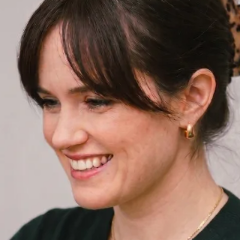
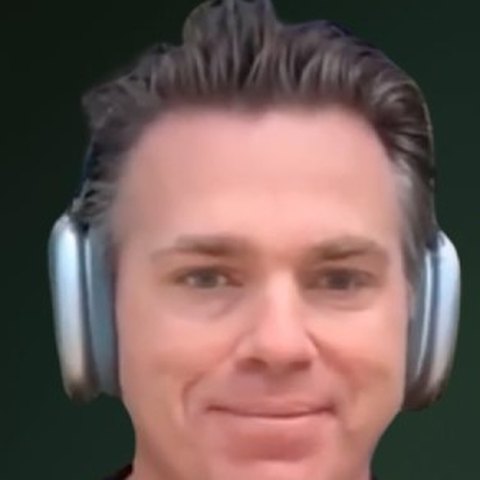 Hosted by Krystyn Harrison · With Tim Ray, Co-founder and CEO, VerifastFeb 2026 · 46 min
From a $2M first exit to $10M ARR on under $3M raised
Overview
Tim Ray sold his first company, Food Scrooge, 10 months after launch for about $2.1 million, mostly as an earnout he went on to hit. His second, Carnivore Club, grew to just under $4 million in sales before he sold it and three other subscription brands within 60 days. Today he leads Verifast, a renter verification platform with over 80 employees and over $10 million in ARR, built on less than $3 million in seed capital.
Tim walks through the moves that changed his results. He ran a three-way conversation with buyers to tilt his first negotiation in his favour. At Verifast he raised early money from real estate investors who already understood the problem, then used growth debt instead of equity once revenue could support it. The result is a clean cap table, no board, and room to think in decades.
Then the part most stories skip. Tim spent four years and over $3 million, counting opportunity cost, on a private aviation startup he says he had no right to win, kept alive by fear of letting down friends and family who invested. When it shut down, his self-worth went with it, and his wife made him go to the hospital. His advice to owners: fold when you can no longer see the business working, and back problems the world will keep caring about.
Chapters
What you’ll learn
Where does your business stand today?
Get your Optionality Score →More on the episode
Note: Krystyn, Matt and their guests may hold interests in companies discussed in this episode. Worth Owning is not financial, legal, tax or investment advice, and is for informational purposes only. Do your own research and speak with your own professionals before making any financial decision.
You may also enjoy
All episodes →

Transcript · Worth Owning · Episode 12
Seed strapping a startup past $10M in ARR
Tim Ray, Co-founder and CEO, Verifast · Feb 2026
Tim
I have this, you know, analogy that like the amount of revenue that your business does correlates to how much the universe gives a [expletive] that you exist tomorrow.
Krystyn
My guest today is Tim Ray, a four-time founder who's built and sold multiple companies from consumer brands to e-commerce portfolios and now is a B2B fintech business. He sold his first company 10 months after launch for just over $2 million. His second, Carnivore Club, went through multiple exits, including as part of an $18 million public company acquisition.
Tim
Carnivore Club, we, you know, we had scaled Canada, US, UK and Australia. We grew Carnivore Club to just under like 4 million in sales. And I put into another risky bet into, you know, what was called Rentify at the time, which now has become VeriFast. We're over 80 employees. We have scaled to, you know, over 10 million in revenue ARR. We bootstrapped it on less than 3 million in seed capital. I was in a really dark space at the time. I literally was, you know, having mental health issues where, you know, my wife actually made me go to visit the hospital.
Krystyn
Tim, welcome to the show.
Tim
Thanks for having me. Awesome to see you again.
Krystyn
You, too. Let's dive right in to the beginning of this with Food Scrooge. Let's start at the win that kicked everything off for you and your entrepreneurial journey. You win $150,000 in a Queen's MBA competition. You build Food Scrooge, a group buying platform for bulk frozen food, and sell it just 10 months later for just over $2 million, 100,000 upfront, 2 million in earnout, and you crushed the earnout. That's a killer first chapter of first success. What did that early success set in motion for you? What was that like?
Tim
Definitely a bit of a horseshoe up my butt in terms of like the ability to, like, right timing at the market with like this group buying space, that I sold it kind of at the peak of the market, where if you were to fast forward like a year and a half after that, there's no way that that deal gets done, because the fundamentals of group buying in e-commerce just were not very sound. But in terms of, you know, I really manifested that I wanted to be an entrepreneur back when I was like 21, and the only reason why I follow through on starting Food Scrooge was because when I was 29, sitting in my MBA, which is also one of the things I, you know, put on a bucket list in my early 20s to accomplish, was that I wanted to be a full-time entrepreneur.
And there's never a right time, but is that I'd rather, my fear, I made my fear of regret bigger than my fear of failure, and therefore getting into Food Scrooge, even though I didn't know anything about e-commerce, I didn't know anything about, you know, group buying, I didn't know anything about starting a company, just like naive, insane belief in my ability to solve problems and figure it out, to incorporating the business online, selling it by September 2011, 10 months later, for 2.1 million. That was a whirlwind ride. And that $2.1 million, net of which, you're right, I crushed the earnout and got a really nice like, you know, seven-figure check from Torstar in the beginning of 2013, really helped set me up that I could then go and, you know, have a second swing as an entrepreneur doing Carnivore Club, which was my second venture.
I was really only an entrepreneur for like 10 months. Really only in market selling a product for like eight weeks before we had our LOI to sell. And so, you know, then I was back doing my earnout as an employee with Torstar for a year and a half. And so I felt like, you know, I was like, it's such a whirlwind. It's like, what just happened? You're almost like, you know, blinked and it was like already over, right? And you're trying to like reconcile, like, okay, like was I just lucky? Is this skill? Is this talent? Is it grit? I thought this might be my one and only venture that I would start.
So much so that when I got my earnout check from Torstar, and I joke about this, because I made them issue me my earnout check in paper, in a paper check, because I wanted to relish going into like a bank teller with like a million dollar check to like cash it, because like this might be my only shot of like, like feeling this like level of like victory and this like accomplishment. And you know, I think all early founders, you don't know what you're capable of until you've already done it. But yeah, I think I still remember vividly in Food Scrooge, you know, sitting in class, I have this idea during class about group buying for bulk frozen meats.
And then in January, I'm literally like making my very first call to like a grocery store, Michelangelo's, which is no longer around, but there was like two locations back in the day, pitching them on this idea of using their back, like non-retail freezer in the back of their store, to act as like a free distribution hub for us to then sell food service, like bulk, like 10 pound boxes of like protein, for our clients to go in and pick them up in their store, with the idea that they will do a free fulfillment for me in exchange for me bringing in new clients that will potentially then convert to shoppers at Michelangelo's. Right.
Krystyn
And they're holding your inventory. No need for space. That's a very lean, very clever model.
Tim
Yeah. We're creating like a brand new uh supply chain that never existed before.
Krystyn
Out of curiosity, when you think about the decision to sell so quickly, and you had thought, you know, is this the only one-trick pony, the one shot that I have? Um, and something you said just about naive. I also had this when I was building my first few companies. There's this sort of beautiful naive where you're like, I'm just going to, I'm just going to gun it. I'm going to go for it. I'm going to send it, right? And so you do, but then you start to see this traction. There's clearly value exchanged. What was going through your mind when you explored your options? Because you could have stayed and held the asset. You could have kept building. What was it for you to go, "No, this makes sense to sell it so quickly." And do you have any regrets about that as you look back on that decision?
Tim
I literally aced that first startup, like as best as I could, like 10 out of 10. When you start to get into it and you're like, "Okay, to work with like food service distributors to sell their excess inventory, to do just-in-time inventory delivery." Like we would sell online for a whole week, like for one week, we'd sell online like seven, eight items, right? And then if you try to sell something that has like multiple flavors, which we did a few times, and then, you know, the employees giving the wrong thing to the wrong person. There was like DealFind, TeamBuy, Groupon, you know, like there's literally like dozens of like group buying companies in Canada, right? And the cost to acquire customers was way higher than we thought it was going to be.
And so we had built up a, you know, a decent list of call it like 10, 20,000, 30,000, and we had done a couple hundred thousand in sales by the time that we had our first acquisition conversation. But I knew that, you know, we had maybe $80,000 left in the bank. Again, it was me and one employee that was, uh, you know, his first job. He was like an intern. And I just knew that we were going to like run out of money before we solved the customer acquisition problem. And so I also knew, when I was launching this company, that like we had a really unique business model, and there's a lot of other bigger players that are well-funded that were basically all selling the same thing, competing head-to-head on like restaurants, spas, you know, all these different things.
But the uniqueness of what we were doing in grocery, nobody could really copy, because they had to really know the nomenclature of how to speak to, you know, the grocery store people, how to speak to like the food service people, how to like actually do the deals, and right. Yeah. And so I knew that like I had this, like a really niche play on an emerging market trend of group buying, and that at the right time we would be, you know, in a competitive situation with multiple people able to bid on adding this as a differentiation factor for their business. And so as soon as I saw that, you know, my hypothesis on a scale, and like exit velocity, and acquiring customers was not ringing true, I started having early conversations, um, with, originally it was TeamBuy, and uh Ghassan Halazon and those guys.
They were on Dragons' Den back in 2010, and, you know, they had a very memorable uh exchange with uh um Robert Herjavec. And that, uh, so our original deal was to do a deal with TeamBuy, but then, you know, we didn't have a lot of negotiating power, and those guys were, you know, definitely trying to like get their way. And we also had a chat with DealFind at the time, which was another big player at the time. So we ended up having like a three-way conversation on who we were going to sell to, to like tilt the dynamics of the negotiation in our favor.
Krystyn
And so for running your own auction at this time to make it competitive, create some tension. Nice.
Tim
Uh, due diligence done, sold in September. I literally got married the day after the deal closed.
Krystyn
Oh, incredible.
Tim
The first time, uh, and uh yeah. And so that was a crazy world. And then, you know, the Dragons' episode aired, I think, November of 2011, like two months after the deal was done.
Krystyn
Did that make you more cautious as you thought about allocating your capital that you had hard-earned, knowing it might be the last in your head and your mindset? Um, or did that make you more bullish on like, let me go, let's go and place some bets with my own capital?
Tim
Uh, yeah, great question. I think I had this idea that, I think, I forget what the dollar figure was, but, you know, that I would be able to work for a certain period of time with no salary, right? Every startup I've ever done. So, we used Indiegogo as our thing, because like you're like, "How do you go to, you know, these suppliers of charcuterie to get enough orders that you could want to do your deal?" Right. And so, we, you know, we pre-sold a bunch on, you know, Indiegogo and did a whole campaign there. And then at that same time is actually when Joanna, uh, Griffiths at Knixwear was, uh, just doing her first Kickstarter, and I actually took some of my cash from, you know, Food Scrooge and actually then became one of the initial pre-seed investors in Knixwear.
We would have this amazing deal on, you know, one time we did a deal with Pampers and we sold like over half million dollars in a week on Pampers. But the next time we did that deal, we only sold $150,000. And so what happened with like the whole idea of group buying is that you killed the perception of value. So every time you run a deal, you would like sell less, or the be less for the next time you sold it. What I saw with subscription e-commerce, and, you know, in my earnout year, luckily, is when the whole Dollar Shave Club, you know, blew up, and that whole, you know, famous video that was very funny that people like loved, and there's a, you know, tons of copycats. And I was like, you know what, I think the whole idea of like content and storytelling is going to be a lot more compelling in this whole subscription space.
Krystyn
Interesting.
Tim
At the same time, you know, I see there's like lots of like wine-of-the-month clubs, right? And lots of like fragmentation and storytelling, and this idea of like you could have a cab sauv from like a thousand different wineries and it's going to have a uniquely different taste profile and or story, just because the, you know, the soil, the grape, the guy, you know, all these different things that go into why like every single cab sauv is not the same, right? The same thing exists in charcuterie. Because I came from like a farming background, I was like, "Wow, if I could do something that's like more high value, like less commoditized." Um, you know, and I don't know why...
Krystyn
You found a niche.
Tim
I don't know how it came together, again, but I just had this idea, like this like wine-of-the-month club, but for charcuterie, because it's like dehydrated condensed meat. So, it's like the highest value food group of like protein, right? And then when you, you know, dehydrate it and like cure it, it then like 4xes the value, right? Because you're getting rid of the moisture and then it becomes shelf stable and like lightweight, so it's easier to ship. And so the thesis around that was that like I could like have, you know, 100 different Spanish guys making chorizo, and each chorizo is going to be different. I can have infinite amounts of stories and product to sell, right?
And so we launched with Indiegogo, and the idea of that go-to-market was like, all right, let's go Canada first. Um, let's come up with a very sophomoric video that would be easily, like instantly sharable, like the Dollar Shave Club video. And again, you know, I think we definitely pushed the needle, because we wanted to rise above the noise, right? And we also wanted to own one category, like be like the meat-of-the-month club for guys, and we were definitely the gifting uh item for a lot of guys across North America, especially ones that like meat.
Krystyn
How big did it get when you were approached, or when that acquisition seemed to surface for you? What did it look like? Yeah. What did it look like, if you were to look around at that moment when you were looking at the acquisition path? What did the size of the business look like, the picture, just to give us a sense?
Tim
Um, yeah, so Carnivore Club, we, you know, we had scaled Canada, the US, UK and Australia, but I ran Carnivore Club from 2013 to 2019. Um, and we grew Carnivore Club to just under like four million in sales. So it was not a huge business. Um, and I had also acquired three other businesses on top of it.
Krystyn
Walk me through that, just in terms of... So you're building Carnivore Club, you get it to a certain point, it's all transactional revenue. Oh, no, no, no, it isn't, because it's a subscription box. You had recurring revenue. Was that 4 million in ARR, in terms of size and scale?
Tim
Yeah. And I guess one thing with like the whole subscription box space was that like you send people for a subscription with like a three-month minimum, but also people, like a lot of people would churn after like three to six months, right? Like after... Right. And we found that like, although my hypothesis on this idea of like, you know, shelf-stable, cured, high-value protein, to be able to give somebody something in the mail for the equal value of their local substitute, right, was valid, charcuterie in terms of people's like overall diet is like a very small percentage. Most people don't have charcuterie on a given week. So we start sending them like a pound and a half of meat in the mail every month, it starts to like add up, right? And if you count, like, it's funny, like a pound and a half of charcuterie is actually a lot of meat. And so... Yeah, and so we would find that like people cancel just because they get like over-inundated with charcuterie.
Krystyn
So very giftable, but not necessarily seeing the longevity and the sustainability with an individual customer. So it still sounds like you were having to continue to transact and bring more people in. More aligned to pure e-commerce at that time.
Tim
I'd say like our first year we did maybe uh 5, $600,000 in revenue in our first year. We got to like 1.1 million in our second year. Our third year we got like two and a half, high twos of revenue. And then our fourth year, it's like really like plateau. We like barely grew to like, you know, like low threes. And that's when I'm like, okay, you know, do I want to do this like little small business? And the other thing with e-commerce is the game is always changing. Like the ad strategy, SEO, you know, how you're acquiring clients literally can like change on a dime, and it's very unraveling when like all...
Krystyn
And you're at the whim of the platforms if you're doing paid, which is something very true today. But what I'm hearing as a throughline that's still true today is this idea of building an audience, thinking through the storytelling, thinking through how you bring people into your world that you've created. And you did create a world, um, focused on, you know, the dude who was like, I want to buy into this, this sort of, um, this ethos that you created. But in terms of guy commerce, so then you go, okay, I'm building this thing, maybe it's, you mentioned small business, so using your words, right, like you get to a certain point, you're seeing growth kind of start to stall. When did you start to go, okay, I want to do a roll-up, I want to actually start acquiring some companies and doing a focus on this, this guy profile, this ICP you went after?
Tim
Yeah, I think my idea was that like Carnivore Club had like uh capped, uh, like ceiling. Charcuterie was actually not, was, Carnivore Club Canada was bigger than Carnivore Club US, even though, you know, US is 10 times the amount of people, and it's like, for whatever reason, I could not get Carnivore Club US to scale like 10 times the size of Canada. I was like, all right, I need to add on other businesses where we could like cross-pollinate the email list, and, you know, like get some synergies.
Krystyn
Makes sense.
Tim
And so I came across...
Krystyn
Same buyer.
Tim
Yeah. Same buyer, like theoretically, right? And so we got, um, we, my first acquisition was a company called Broquet. So like B-R-O-K-U-T. Think of like, if you ever seen Man Crates, it was like a version of like Man Crates, right? And I bought that for, I think, like $200,000, and with like an earnout. So I didn't pay it out cash up front. And I bought it with like, you know, a bit of cash, but mostly like percentage of sales for a certain period of time.
Krystyn
Deal structure. Deal structure matters for those listening. Yeah.
Tim
Yeah. So, and I think that's the biggest thing too, when you're trying to maximize your sale value, to that you can trust or have security against the asset and/or the person. Always opt for some sort of earnout process, to agree that like also the earnout's very clear. There's, it's not convoluted. Um, so I've done that multiple times. Then I bought another company called Barbecue Box, which was like it sounds, but it was a US company that was basically like different barbecue spices and sauces and like little gadgets every month. Um, and then I bought another one called, um, Spartan Carton, which was like a, you know, health and wellness, uh, you know, muscle workout gear, supplements, all that kind of stuff. And so I had these, and they were also on all different e-commerce platforms.
So, you know, Barbecue Box and Spartan Carton were on Cratejoy. Broquet was on Shopify. I made the huge mistake of building, um, Carnivore Club was originally like a custom build, because there's no subscription e-commerce software when I first built it in 2013. And when I had to rebuild it, because, you know, things uh get spaghetti-coded after a while, I switched to wanting to build it on Magento, which was like way, way too big, way too bulky, way too expensive. It was a nightmare. Um, so, and then, so this whole idea of like this roll-up of one e-commerce platform across all these companies and all these brands that would cross-pollinate. One thing that fell flat was we were not getting any crossover on the purchases, like the...
Krystyn
So the synergy, if you will, with that ICP, that man, the male, I don't know what do you call him, like 35 roughly, the way you were kind of shaping this demo, uh, this man, male, dude buyer, basically, for lack of it, the guy. Um, so you weren't seeing synergies with your email list, with your back office. Was there any synergy in this, or was that part of the challenge in the learning from that build?
Tim
There was some synergy in terms of taking like the slag inventory from, let's say, um, you know, Carnivore Club, and I could put that into like a Broquet, or I could take some extra stuff from a Broquet and like, you know, you could like do promos across the board. So the idea of like sharing inventory or leftover inventory was valid. The idea of consolidating the, you know, fulfillment into like one distribution center and having one person coordinate that fulfillment was valid. Um, we never got to a point where we could have put them all into one platform. Um, and again, they were all small brands that I bought.
So then you just like end up buying like four different brands you have to then market individually. Um, and it just ended up becoming a bit of a nightmare. So the fun part is, come 2019, I now have four e-commerce companies that are like kind of just like doing this, right? And I'm also getting tired of becoming like the, like, you know, the small, like single-A baseball entrepreneur, right? Where I had this like nice exit with Food Scrooge early on, a couple million bucks. Um, you know, Carnivore Club is now like doing, like Carnivore Club and all the brands are doing kind of like high fives, like maybe $6 million in revenue.
And I'm like, but that's like, and that sounds amazing for most people, but for me that was like, man, I'm just like, like small-ball entrepreneur, right? I want to do something big. And so that's when like my co-founder at the time, this guy Matt Cuchier, uh, for, he had a small stake in Carnivore Club, was like, I had this idea for private aviation. And, you know, and I just had this innate desire to do something that's like not meat, because like now I'm like the, I grew up in a farm, and not e-commerce.
Krystyn
Oh, dairy farmer background. I was curious, because where does this come from? I'm hearing this like fire in your story of like, I want to not prove myself, but just like, I have a career bucket list and I want X and it has to be entrepreneurial. Like there's this innate drive that I'm hearing in you. I'm curious, where do you think that comes from?
Tim
Uh, I have a very, my favorite person growing up is my grandmother on my mom's side, and she would tell me, like with her cute accent, like, you're going to be a big, big businessman one day, right? In combination of me coming from the country, where you don't have a lot of like business role models, right? Um, you know, and being a kid that was undiagnosed, like ADD, you know, just like, you know, bouncing off walls, you know what I mean? Not doing things like the easy way. I developed like a huge chip on my shoulder.
For me, I have like this like giant chip of like, I need to prove to myself, and I also need to prove to my like younger self, and to my grandmother, that she was right. I am gonna be the big guy, right? I think that's the biggest chip, is to this grind, that like when I'm like, when my time's done, that I swung as hard as I could swing, and did every, and I left it all on the table. Um...
Krystyn
That's beautiful. First of all, she sounds like a very special woman, and to see that early on, and then for you, like, she clearly saw your fire, this sort of juice that keeps you going around, like, I want to build, I want to create. And then it sounds like with this you had that early success, which was tremendous, to give you like the confidence probably to be like, actually, yes, she saw something, and yes, I believe, you know what, I believed in myself. Here's evidence, here's facts. And then you're building this portfolio play, this like mini private equity kind of roll-up play, which looks great on paper, and to your point, it's a great business. Like that's a nice small business, but you get to this point where you go, but I think I'm built for something bigger.
How do I, what's the next step? And so you're operating this portfolio. You have the idea with your co-founder to start an aviation, private aviation company, Chirp, totally outside of the space that you had started to build your reputation in. Um, and you're doing all this. What was life like for you at this time? I mean, this is a lot. We only have so many hours in the day, and ultimately time is a source of capital. So how did you think about allocating your time, and how did you think about making that transition on into the next step?
Tim
You know, I didn't even wait for the next step. I kept running those four companies, and then I started my third company, Jet Savvy, and like didn't know what burnout was until that time, when then, you know, as you can imagine, I'm, I don't have time. I'm neglecting my four e-commerce companies. I'm having my employees run it. Uh, morale starts to tank, because I'm like not doing that. I'm focusing on Jet Savvy, because I want to do something that's like, again, coming from a farming background, two startups that are in the meat space, you know, people say things like, how is the meat business? I'm like, oh man, I just want to punch you in the face. You know what I mean? I have like, I'm trying to carve a different version of myself, right?
Krystyn
If I'm hearing you.
Tim
Yeah. Yeah, I don't want to be known as like the, you know, country boy that's like, you know, small-time entrepreneur, like e-commerce meat guy, right? So therefore, I like lean all into Jet Savvy. And then, you know, uh, in like beginning of 2018 and over the course of 2018, when I raised a million and a half dollars, where I've never raised capital before, but I do it. Um, but then 2019, things start to like burn to the ground on my e-commerce companies. They're all like, like losing money. I'm getting like fee'd to death, like all these 3PLs, and you could like lose your shirt on like 3PLs, like on pick fees and all these special project fees and like, you know, not consolidating uh skids properly. And uh, so then I literally had to like sell. I got to the point where like all four companies were failing on the e-commerce side.
They're like losing. Uh, and I put a lot of my um cash to keep them afloat. And then, uh, I lean into this company called Jet Savvy, because like, you know, private jet sounds cooler than doing like, you know, subscription e-commerce meat or whatever. And uh, and then that's, again, I get to this point with my co-founder where we failed to launch that startup, and now I have like, everything's like a dumpster fire, and I have to figure and pick a lane. So long story short is I ended up being able to find, you know, because I think when you're in a tough spot, it comes down to trust and character, and like people knowing that you're like not trying to trick them, that if I'm going to sell you this asset, that it's like a legit good asset, and I'm not just trying to pass the hot potato, but I don't have bandwidth for it.
So, I was able to sell Carnivore Club to my friends over at Battlbox, John Roman, and uh his partners. And then I was able to sell, um, luckily I was able to sell all three other companies, Broquet, Barbecue Box, and Spartan Carton, to another uh guy at this uh company called Tops Choice Supplements. And so, in the course of like 60 days in the spring of 2019, when I'm like very depressed, very dejected, because nothing's working. Um, yeah, I was able to sell that. And listen, I sold it for, you know, just over like, you know, 1.2 million, something like that. Like, like nothing crazy. Um...
Krystyn
Better than a kick in the ass.
Tim
Should have been a lot more, but, you know, that was probably the best, highest skilled exit I did, was to be able to sell all those companies that were losing money at the time for, um, money to like bail myself out, so I could then focus on Jet Savvy, which, why I wanted to really be my big swing to, yeah, do something bigger.
Krystyn
And so, you made the decision. Okay, I'm going to exit these businesses, because it sounded like your heart, your sense of self, wasn't with that anymore. You kind of done the thing. You checked the box, and you wanted to evolve. And so you do make those deals happen, which is not easy to do, considering where the business was. But let's talk about you as you think about the build you're in now. We'll start to shift towards this journey you're on with VeriFast, and this being a completely different scale than these others, in a completely different industry as well. Like this is pure software, this is B2B, it's a totally... You've had this portfolio of experiences, and I keep coming back to this sense of self and identity and this chip on your shoulder of wanting to prove yourself as an entrepreneur.
Um, but knowing when to fold them, knowing when to walk away, uh, gamblers coming in here, um, truly is a skill that I don't think a lot of us talk about, because you're told as an entrepreneur you got to go all in, you got to commit. You got to be resilient. You got to be gritty. And yet you do have to look at the facts and know the cards you have in your hand, and know what you're playing and what game you're playing. What advice would you have for entrepreneurs who, you know, keep hearing that narrative of stick it out, grind, be gritty, when maybe the cards are not in their favor? Like, how do you think about the mindset you need to have to look at your decision set and know whether to sell, walk away, shut down, in this case, shut down or sell? What's your perspective?
Tim
It's funny. I've honed this over the last quite a few years, where, you know, in Food Scrooge and in Carnivore, starting those businesses, before they even became in existence, like, I could literally like picture them in my head, that like I could see, touch and taste what the success looked like. I could like, I could actually see people going to the grocery store at Food Scrooge and picking up the order, and like why it made sense, because it's like, you know, this like leftover food service.
Krystyn
So clear.
Tim
It's like Costco on steroids, right? That the value proposition was clear. I didn't need to do like, you know, uh, a survey to understand the market. I just like know that like 1 plus 2 plus 3 equals 6. If that's true, then this is going to work, right? Same thing with Carnivore Club. I didn't really know that like this was a huge problem solving. But it was a fun business. The farm-to-table movement, to trying to like tell stories for like smaller people. I could really like romanticize, and why that would work. And so therefore, like, I leaned into it. And so when you can like, you know, if I can like really like touch, taste, see the success, or how this product's supposed to work in the future, and all the short-term noise just becomes like, all the short-term turbulence just becomes noise, because you know where you're going, and like what it's going to look like.
In Jet Savvy, for example, that was my biggest, you know, hubris, where four years, again, I didn't take a salary for four years. Um, I also put a million dollars of cash in the business, and I lived like I was not going to lose for four years. So my all-in then was over $3 million of money that I lost, uh, in opportunity cost on Jet Savvy, Chirp when we rebranded it, when I had a co-founder hookup, um, uh, shakeup. And, you know, in that four years, I didn't know anything about private aviation. I didn't know the fundamentals. I didn't know the nomenclature, the language and the terms.
I was literally like drinking through a fire hose to learn private aviation from scratch. I had no business or right to win in private aviation. Just kind of like willing it to win, because I wanted to do something that was like not meat, right? You know what I mean?
Krystyn
So badly. Yeah. I can feel that in your story here.
Tim
Right? And then it was like that death by a thousand slices, because we were supposed to, you know, we had this idea in the fall of 2017. I raised capital in 2018. We're building throughout 2018. We're supposed to like launch at the beginning of 2019. All of a sudden, like, there's no platform. Me and my co-founder have like a complete like breakdown. Uh, I'm like, "All right, do I put this thing in the ground, or do I like keep going?" My current wife at the time, who I just met, introduced me to a second co-founder for this company, to like bring it back from the ashes.
Boy, do I wish I did not bring it back from the ashes, because I should have just like left it in the ground, and that extra two years from like spring 2019 to 2021 just like compounded the losses, and I couldn't see, I couldn't see, touch or taste like what this was going to be in the future. Um, the fundamentals were flawed, like the business fundamentals were flawed as well, but I was just trying to like... I had a lot of friends and family that invested in Jet Savvy, and I didn't want to, uh, fail them, right? Like it's almost like I was like taking it on my back for them. Um...
Krystyn
So the fear of failure, would you say, when you were thinking about the decisions to double down, to keep going, how much of it was related to fear? It sounds like it was more fear than it was the opportunity and the evidence and the traction that the business itself had. It sounded like this was very intertwined with your identity and your personal life, which is hard to separate, I know, as founders.
Tim
Yeah. You can imagine, in Food Scrooge and Carnivore Club I did not take any outside money, right? I got very lucky in Food Scrooge, that gave me the cash to invest in Carnivore Club. Carnivore Club did the next, and Jet Savvy was the first one where, you know, coming off two wins, right? Um, you know, even though Carnivore Club was an awesome win, I still like had an exit, like, you know, was whatever.
Krystyn
Yeah. Yeah, it wasn't a zero.
Tim
And I didn't want to like let my first co-founder be right, or win by like, you know, it not working. I wanted to win in spite of him. I also wanted to win because the first time that all of my friends and family put money into a company that I'm leading, that it goes bust, right? Yeah. So there's a lot of these things that I...
Krystyn
Oh, it's pressure on, tremendous pressure.
Tim
And then finally, when we go to launch in fall '21, um, a lot of, a lot of like enthusiasm, momentum. We finally have a product, we finally have platform clients that are going to use this platform. It was basically a, Jet Savvy, was a Chirp, was a, it ended up being like a Shopify platform for like private jet brokers, like a white label platform that had all the intricate quote-to-book, uh, you know, workflows for private jet charter. And um, when we go to launch, it's like the engagement was like zero, like very low. Like there's like all these other little things that people wanted to be able to do to make it like a complete platform.
And I was like, every month I'm putting like 20, 30, 40K into this platform to cover the cost. And I was like, man, this is, when we go to launch, and all of a sudden like everyone's like, oh, why are you not sending out quotes? Oh, like this, this, and this reason. I'm like, man, this is not an easy fix. And I was like, and literally from like me having my birthday, uh, to like the next week, and I'm like realizing I have to put this thing in the ground. And I just had an investor update that was like very positive about the bullishness, and then also like lights out. It was like whiplash. Um...
Krystyn
Oh my god.
Tim
And I was in a really dark space at the time. I literally was, you know, having, you know, mental health issues, where, you know, um, you know, my wife actually made me go to, you know, visit the hospital, because I was having like, because you're like, your entire self-worth is like wrapped up in this like startup, and I've literally just like washed most of the, you know, uh, money I've, uh, accrued over the last few years through, um, Jet Savvy down the tube with this thing.
Luckily though, in 2020, I met my current co-founders, Chad and Craig, and one of, um, Chad's dad, who was, uh, my first mentor from Food Scrooge, um, was an investor in Jet Savvy, and he's like, "I want you to meet my son and see if you think this idea is any good or not." And so, like, summer 2020, luckily, um, I was able to take my, you know, uh, you know, 150 grand or whatever, and uh take, take the like kind of like the last, like non, you know, like liquid cash that I was going to be able to put into something, as I was burning money on Jet Savvy, and I put it into another risky bet, into, you know, what was called Rentify at the time, which now has become VeriFast.
Literally, like, I have like a 100 grand left. You're like, what do you do? Well, I'm not gonna be able to be an employee and work my way out of, like, getting back to where I was. Like, I better take another all-in bet. And, you know, luckily that all-in bet that I took, and, you know, in 2020, Jet Savvy was going nowhere fast. I invested in that company with Chad and Craig, thinking that, in the back of my mind, I was like, all right, there's a higher than not probability that Jet Savvy is not going to work, and that, yeah, if I invest and become the first money in on VeriFast, it could be my fallback to go in. And, you know, that's what happened. In fall 2021, Jet Savvy went in the ground, two weeks later as CEO of VeriFast, um, or Rentify, uh, um, helping to, you know, lead this company as a, you know, co-founder as well.
Krystyn
You're the first money in. You see an opportunity. You take your last check, your last bit of capital that you have, after you've gone through this really dark, really, really dark period. And thank you for being so open to share that, because I don't think founders talk about the darkness, the mental health, the struggle enough. And this is what, myself included, we have all, there's an element of this that we are facing mostly in the shadows, mostly behind the scenes. So, thank you for sharing that. Um, but walk me through where you are now. You're literally going through, um, now a software company. You're in the B2B space, VeriFast. Uh, give us the quick headline, and then ultimately the picture of your life now. What do you wake up, what does it look like, and what are you looking forward to in this build? What's different?
Tim
Well, the good news is that, you know, the whole process from Food Scrooge to Carnivore Club to Jet Savvy, Jet Savvy to now, you know, VeriFast, you know, I really like put in my 10,000 hours, right? And so you really build this like really, the thin-slice decisions. Your gut feel you can trust more, right? The noise is like less turbulent, right? Because you know what's real and what's just like, you know, superficial, or like, you know, temporary. And so, you know, we're over 80 employees. We have scaled to, you know, over 10 million in revenue, ARR. We bootstrapped it on, you know, less than, you know, three million in seed capital, equivalent to two and a half million USD capital. And when I talked to growth equity investors, it would be able to do it on like two and a half. They all have like a giant stiffy, because they're like, how many people can do that, right? They're like the unicorn.
Krystyn
Very capital efficient. Very capital efficient.
Tim
Because of that, and the fact that I know they were solving a core problem, we had a lot of faith in our ability to solve for, like, raising capital in the next round in like little bits, so we could like raise, to like not have to like dilute, over-dilute, and still increase our valuation along the way. So we raised a million bucks. The next year we raised a million bucks, um, from a, a mortgage, uh, company called M3 Group. The next year we raised like 800 grand, so only 2.8 million Canadian. Um, and then this year I put in another 500 grand myself. Uh, and then on top of, I bought out three quarters of our other investors now. So like, not only that, but coming into this growth round, um, you know, just about three and a half million, and I've bought out about 2.8 of it, uh, personally, at like extortionate, like 50% to 80% interest rates. Um...
Krystyn
Amazing, but it's giving you optionality in the future of the business. And so this is actually really interesting and important, because a lot of founders that I meet with are going, like, how do I think about capitalization of the business? Like, how do I think about the investor pool? I've gone through like the SF venture capital pool. But I love what I'm hearing here, because, A, I'm hearing that these folks are actually quite strategic, in that they understand the problem. They're in the space. They probably could open doors from a distribution perspective. Like, this sounds like more than just cash. Yeah, this sounds like you've built through a very strategic, thoughtful growth play alongside the capital as well.
Tim
Yeah, true point. I mean, early on, the idea that like, you know, the easiest thing is when you don't have to sell people on the problem. If they already understand the problem, you're... That part's done. That part's done. Now, it's just comes to trust, and do you believe in me, right? And so, that was why we went to like real estate investors as our first angel investors, right? So for anybody out there that's looking at, what's that equivalent to you? Who are those like early investors that you can draw on, that like already understand the problem? You don't need to sell them on the fact that this market exists, right? At least to get your first, like, $1, 2, 3 million, right? Because I'd much rather get growth debt than, you know, than equity, right?
And we all know that you can get to, you know, that 350K personally guaranteed loan from BDC, but once you get to 2 million in ARR plus, you're going to actually start to access the non-personally guaranteed growth debt, right? Okay, because it's going to be based on the fundamentals of the business. If I were to raise capital from the equity market, like from angel investors or VCs, I would have diluted our cap table like crazy, and I'd have had like this like convoluted pref stack, which means that like those guys get first money out before the rest of the people. Right now we have a very clean cap table and nobody to please. We have no board, just me and my two co-founders, right?
Krystyn
This is such an important point, Tim. This is such an important, the freedom, and ultimately this idea we talk a lot about is optionality, right? You've preserved that by structuring your capital, the round, in a very unique way. And I'm actually hearing this from private lenders, this idea of seedstrapping. You basically raised a seed, a US-level seed, I'd call it, and then you've bootstrapped the rest of the way from there. But now, now you're looking to fully accelerate your growth, because you're past that $10 million ARR threshold. Um, when you think about what's next for the company, where you're going, what are you looking forward to as you look ahead the next five years? And, um, and yeah, and why, why now start to look at growth equity? I imagine it's because the valuation is sizable enough where it makes sense to start trading that off a little bit more. Equity is expensive long.
Tim
Yeah, it depends on what your vision is for your business, right? I truly think that we can build this business to be, you know, a Shopify-esque scale type business, right? With a global mandate, doing something that's like really important and high utility for the world. And I have this, you know, analogy that like the amount of revenue that your business does correlates to how much the universe gives a [expletive] that you exist tomorrow, right? The amount of people that even knew that you were running the business to begin with is small. So therefore, the impact to most people is small, right? If Shopify stops existing tomorrow, that would be pandemonium, right? And with VeriFast, and this idea that we help renters in the United States specifically verify who they are, how much they make, where they work, and that whether or not they're, you know, safe for the community, I.e.
A background, right? We're helping renters with trust. And if you look at a global scale, right, the rental profile in the United States is actually the vast majority of the rest of the world, because, you know, renters in the United States are like, you know, gig work, side hustle, uh, you know, a lot of gig economy, self-employment, all these kinds of things, right? Like multiple jobs. If you go to Mexico, that's everybody. You go to India, that's like the whole country, right?
Krystyn
I think the fact that you're choosing to build here, first of all, says a lot about your ethos on great companies. Scaled companies like the Shopifys can be built here. I am so excited for your journey, and I also love this idea that, yes, the revenue, the scale, all of that, but the mission and the purpose behind this, and the people that you're helping, drives that forward, and I'm hearing that in the way that you're thinking about making a lasting impact and the legacy that you want to leave. And it sounds like for you, is this one that you're motivated, it sounds like this is a long-term play. You could build this one generation. Are you building a generational company here? What's your endgame? Yeah, if you could share.
Tim
You said it perfectly. For me, I say like purpose, purpose plus profit, right? To have that perfect flywheel is, it's, you know, this isn't a charity that we're building. It's a very profitable company, but it's very purposeful and intentional, and we're creating a lot of like value. I think, you know, our goal is to get to 100 million in revenue within the next 36 months. Um, and from there, you know, that's my next hurdle, right? The more, when I say 100 million in revenue, people are like, especially in Canada, they're like, "Oh, it's like, that seems like ambitious. That seems like a lot," right?
Krystyn
More of us need to be talking this way and being unapologetic about it. We want to make a global impact. And I love that the US is where you're going, right? Like, let's just be there. Let's just go. There's no border. Well, uh, so actually, last thing, last question for you, rapid fire for you, as you think about your ride that you've been on, and the grit that you've established, and this journey now that you're building this one, and you're building it generationally. You have this long-term play. What do you think makes a company worth owning?
Tim
You know, I think with every company that I've done, you know, you build it to love it, right? But everything's for sale, for the right time, at the right place, with the right people, for the right reason, right? And so, um, you know, VeriFast, I can't say that, you know, I'm going to run VeriFast for 20 years. At some point, you know, there's going to be a time to pass the baton. Uh, right. But, um, for me, it's this idea that the narrative, the conversation about like why we exist, and the mission that we want to accomplish. Yeah. It's, you know, it's impossible to get bored doing what we're doing, right? Like, and the size of the prize is so great that I really want to see it through.
And I think also just as an example for my kids, and, you know, the legacy building, that like I really view that I have the grit and talent and skill to be able to build, you know, a great company, and for me, I really want to see that through. I feel like the mandate, you know, the flywheel that we have here, um, really has like, you don't come across these ideas very often, even if we're start from scratch, right? And so we have so much momentum and people bought in, and, you know, me pitching the art of the possible, it's tough to not get excited about like what we're going to be doing, you know, in the years to come.
Krystyn
Hold on. Hold on to it. I love that. And thank you so much, Tim, for joining us and being so generous with sharing what you've learned. And appreciate you joining us.
Tim
Cool. Thanks.
Krystyn
Awesome. Thanks for listening to Worth Owning. If you found value in this conversation, share it with another founder who needs to hear this. Subscribe to Worth Owning for more unfiltered conversations about building enterprise value and designing the life you actually want to live. New episodes every other Wednesday.
The full conversation, from the episode captions with light clean-up for reading. Check against the audio before quoting.
Free · 5 minutes
How much does your business still need you?
Get your Optionality Score: where value is leaking, and the first three moves to fix it.
Get my Optionality Score →