

 Worth OwningEp. 08
Worth Owning · Episode 08
A $1B IPO in 5 months, then selling the dream house
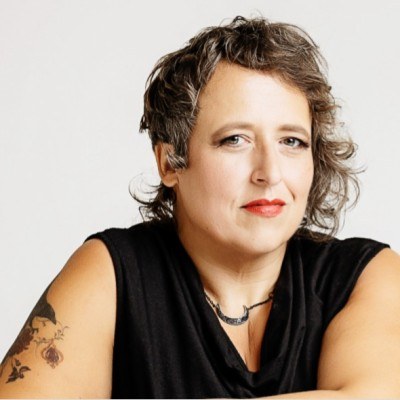 Hosted by Krystyn Harrison · With Miranda Lievers, Co-founder and former COO, ThinkificNov 2025 · 42 min
Four people above a taco shop to a $1B IPO on $6M raised
Overview
Miranda Lievers joined Thinkific in 2014, when the team was four people around a table above a taco shop in Vancouver. Over the next decade the company grew to 500 people and, in the pandemic surge in online learning, went public at a billion-dollar valuation with only about $6 million of primary capital raised. The IPO took 5 months minus a day, against a typical 18.
Miranda explains what made the company ready when the moment came. The founders had agreed years earlier they would only list at a $1 billion valuation. Infrastructure work done before March 2020 kept the platform up when traffic surged. And because the investors were former founders who bought in again at the IPO, the team kept control and could run every part of the process at once, entirely on Zoom.
Then the part most IPO stories skip. The first day of trading felt like standing in an empty room after a party, and ringing the bell felt hollow next to the sprint that got them there. After stepping away, Miranda built the dream home, filled it, and sold it. Her advice to owners in the messy middle: be directionally correct, not perfect, and remember you are the only expert on your business.
Chapters
What you’ll learn
Where does your business stand today?
Get your Optionality Score →More on the episode
Note: Krystyn, Matt and their guests may hold interests in companies discussed in this episode. Worth Owning is not financial, legal, tax or investment advice, and is for informational purposes only. Do your own research and speak with your own professionals before making any financial decision.
You may also enjoy
All episodes →
Transcript · Worth Owning · Episode 08
A $1B IPO in 5 months, then selling the dream house
Miranda Lievers, Co-founder and former COO, Thinkific · Nov 2025
Miranda
And I spent decades of my life not investing in those experiences in pursuit of work. Uh only to then realize that that was all accessible all along. So why was I working so hard?
Krystyn
My guest today is Miranda Lievers, co-founder and former COO of Thinkific, who took her company public in one of the most compressed IPO timelines in Canadian tech history. Most IPOs are 18 months. They did it in 5 months minus a day. So you entered the company. What was the headcount at that point versus when you left?
Miranda
Oh, there was like four of us. At our peak, we wrote 500.
Krystyn
What was the most difficult part of that ride for the team?
Miranda
I don't know. All of it. Like I remember like I remember at one point like everything. Oh, it was the strategic decision. Like no, you are and can only be the expert on your business. But everything that I loved and found joy and really stretched me through that process was about the journey.
Krystyn
What's your relationship with that idea of like of wealth of financial success?
Miranda
I built the dream home. I filled the dream home with the dream stuff and then sold the dream home. And part of even gaining comfort with that decision was the realization that I was no more happy sitting, you know, on the back deck in what I thought was paradise. Um that I am here in, you know, this tiny apartment in Bologna eating, you know, white rice and drinking a spritz.
Krystyn
For someone in that moment, what do you think they need to hear in order to get to that destination?
Miranda
One of the biggest ones is
Krystyn
Miranda, welcome to the show.
Miranda
Thank you so much for having me, Krystyn. I'm excited to be here.
Krystyn
Oh, well, let's go all the way back to 2014. You joined the Thinkific team. Where did this journey begin for you? And what was the moment that you realized Thinkific was something that you wanted to help build?
Miranda
That's a good question. Um, like I almost have to go like all the way way way back. And you know, I think about like early entrepreneur Miranda was like seven-year-old Miranda at the end of my driveway on a dirt road in the middle of nowhere. Um, with my table of crafts or whatever I was selling. I was never actually selling lemonade. Um, and there was nobody driving down my road, but if they were there, I was there and I was ready to hustle. Uh, you know, fast forward and I was always just interested in small business. How can you take this thing that you love to do and turn it into a thing that you do?
And I had various small businesses over the time um in my teens and then into my 20s, but more than running my own small businesses, I really was just into helping other people take what they were um trying to do and like help them see it in a different way. And I struggled at this intersection of, you know, like everybody thought that I should be a consultant. They're like, "Oh, like you should be consulting." It's like, "Okay, but here's the deal." And if you've listened to any of my, you know, podcasts and stuff before, I've told this story countless times, but small business owners do not know that they need consultants.
They certainly cannot afford consultants. And even if those two things are true, they only have two hands. We always have a thousand things that we need to do in our business uh and no capacity to implement them. And I was always struggling with the fact that like this is who I care to serve, but how do I help? And it was sort of like with that uh eternal problem state in my mind um when I met my uh who had become my co-founders at Thinkific and they were already building software but at the time uh it wasn't SaaS so it wasn't self-serve and it wasn't specifically focused on sort of the small business entrepreneur folks that I cared about but when I met them and heard what they were building I saw like the light bulb started going off where it was like oh this is a solution that could help the people that I so deeply care about in a way that would give them the extra set of hands and give them the advice because it's software that you know we would build it to only work a certain way and I could have the impact for who I cared about without having to do sort of that onetoone um consulting rep.
Krystyn
Oh, that's so powerful. And so was this is Greg and Matt. They started the business in 2012. Was that right? A couple years before you joined.
Miranda
Yeah, they had been working on it before that but Thinkific as an entity was incorporated uh about 18 months before I joined them. Yeah.
Krystyn
And so what did you enter? What was what did the company look like? Had it reached product? Yeah. Walk me through that that vision.
Miranda
I mean, I entered like a table that we all worked around above a taco shop and the primary benefit of that was that we had a back entrance into the taco shop. So, at lunchtime, you could beat the lines. Um, but
Krystyn
You have to Yes. Fuel, fuel, taco fuel to build.
Miranda
And we just like rented desk space from another tech company. Like they were the real like so we were just like a desk in a corner building like really which was like what was just a dream at the time and like even when I met um I met Greg first and it was like and I wasn't I knew that I wanted to build something else at the time I knew that I wanted to build something with other people but I'm not sure you know I wasn't sure at the time what that looked like but I met him and I got so excited about what they were doing and sort of running like a hundred steps ahead and seeing the potential of how this could help who I cared to help. And then it was just kind of like a okay like let's just do this together for a while and see where it goes.
But it was always like just about like you're just running and you're just like looking down at your feet and it's like you're never thinking even like six months ahead of like where this could go. You're just like this is cool. Let's do this for a while. And then every now and then you would look up and it's like oh like now we have a team. Oh now we have lots of customers. Like oh now like it's like you know you kind of would look up every now and then over the course of years and be like is this working? Yeah, it seems to be working. K, like don't look away too long cuz you've got to go heads back down and keep working.
Krystyn
And so we end up at the destination of a billion dollar IPO and working backwards to this taco stand that you were above in this kind of rented space from other founders. What was that build story like when you think about the problems you were solving in the beginning? How did those problems look a little different towards the end there? I like Were they
Miranda
You just need to keep doing more of what's working and less of what's not on repeat
Krystyn
Subtraction
Miranda
Like it's just like it's just like you just need to do those two things on repeat but where the trick is and what actually changes is like the problems don't fundamentally change. Um but as you grow a team because we're building human machines we're not building mechanical machines. Our businesses are human machines. And as you build a team, all of the sudden decisions or pieces of work that used to exist in one brain that had all of this different context is all of a sudden now in different human brains. And humanto human communication is actually highly flawed and inefficient. Like we're just not good at taking everything that's in my brain and helping all of that like get all of that information into your brain.
And so our businesses as they grow, to me, the complexity entirely comes from the fact that now we've got all of these humans who don't have the same context, don't have the same visibility into the other parts of the system. We don't even have a good way to take what I do now and then give it to somebody else. And it's the it's building out the systems to enable the humans to do the work of the company that's actually the hard part.
Krystyn
Hugely and communication breaks down. Code breaks down but not in the same way and code is frankly extremely easy but people code is easy at least not so much. Yeah, I heard like
Miranda
Yeah, one of my favorite quotes, one of my favorite quotes and I and I don't even remember the name of the person who said it, but it was a Nobel Prizewinning um physicist and they said, "Could you imagine how difficult physics would be if electrons had feelings?"
Krystyn
That's it. That's it. Right. And then as you're scaling, what was sort of the So, you entered the company. What was the headcount at that point versus when you left?
Miranda
Oh, there was like four of us. Uh there was four of us. There was just like around a table And uh like literally um we would go for lunch every day together and uh at our peak we wrote 500 and then we went through uh like many SaaS and tech companies went through some really painful layoffs and today this company sits around 300.
Krystyn
Yeah. So four to 300 to 500. Uh and of course like normalizing as you kind of are scaling um challenging moments. I've been through that in the leadership side myself. Um never easy. But in terms of that that scale journey, you're now having to take this four-person vision mission, which of course is extremely quick, you can iterate on the fly to then actually communicating a mission, a vision, values, systems, the system sort of the scaling part of that journey. What was the most difficult part of that ride for the team? What was the most challenging growing pains as you think about it?
Miranda
Like I don't know all of it. Like I remember like I remember at one point like everything like and a lot of really mundane things too like I'd like to tell you it's like oh it was the strategic decision like no like you know what was hard figuring out where to put everybody when we didn't have enough desks and we determined that like some people so going back to the fact that like humans have feelings. We determined at one point that it's like wait like some people are really stressed about the fact that we don't have enough desks and some people are really chill like I am happy to like it's like I don't care like give me a pillow I'll sit on a corn like I'll sit like on the floor and some people like that's really really stressful.
So at one point we um surveyed and we were probably I don't remember 60 people or something at the time and we sort of surveyed everybody but like what is your actual stress level with like having a reliable desk versus not. And then the people that were really stressed we gave them all desks. We had enough for that. The people that were not stressed at all, we just like opened a tab at the JJ Bean um the coffee shop like down the road and we arranged with the coffee shop to have a standing table. So that was like overflow. Like it's like it's like it's like we can solve this for different people in different ways.
But like it was those kinds of things that nobody tells you about as a founder. Like it's not like it's not like oh it's like this hard strategic decision. It's like it's like no, it's just the everyday like we need places to put people and people are really stressed but we need to work and we can't move and like what are we going to do and you can find solutions to that stuff too but it they're not in the MBA textbooks. That's for sure.
Krystyn
Totally. No. And these are and these are people problems. These are scale problems and people build software as we kind of talked about. Um as you think about getting to this IPO, this journey, um when did you start to really talk as a founding team about that being a real possibility? What was the light bulb moment?
Miranda
Yeah, great question. So, we had explored different we used to bring capital into the bill into the business and we'd talked certainly about um what the sort of long-term future of the business looked like, but we always had it on in the very back of our heads that if we ever were to IPO, we would only do it if we could hit that billion dollar valuation. And given the size that we were at, that was just so far in the future, like it wasn't even worth talking about.
Krystyn
What was the size you're at? Give us a picture of the company.
Miranda
Um
Krystyn
If you can. Yeah, just like place numbers at a point in time.
Miranda
Find that box. Yeah. Like right before we IPOed, I think we IPOed right around 35 million uh in annual revenue and we were a team of around Oh, well at that time we'd grown. So like right before we IPOed we were um probably 400 or 350 people, something like that. Um amazing. And so but before IPO was the path is we just knew that we were in a position where we wanted to invest to grow. And so we had started a process to look for adding more investors to our cap table. Effectively the valuations in the public market in that sort of like pandemic era insanity um so outpaced the valuations in the private market that it enabled both us to have a chance at a billion dollar valuation which was that benchmark that we said that we would only ever IPO at which frankly was insane.
We hit that point in time where the valuations in the public markets outpaced the valuations in the private markets which effectively just mean meant that we could raise the money that we needed with giving up a much smaller percentage of our business in the process. Uh so that was how that came to be
Krystyn
Completely and you had raised money along the way is that right in terms of your build
Miranda
Very very little like we had early investors we'd only put at the time of IPO we'd only put about 6 million of primary capital into the business.
Krystyn
So you had a lot of options at the table to be able to go here and this is ultimately the classic VC exit. Let's get some IPOs. Let's sort of build a portfolio. Um but it sounds like the team had a lot more control of the company at the time. Was that was that right in terms of the options?
Miranda
Yeah, for sure. For sure. And the investors that we did have on the table. Um they were former founders uh the folks at Rhino Ventures uh who we were with us all along the journey still um with the company today. And unlike the typical VC story, they actually bought in at IPO. They believed in the story so much that they actually they doubled down.
Krystyn
Yeah. Well, that's so powerful. That speaks so much more than words in terms of actions. Um, and so we talked a little bit about in our earlier conversation about March 2020. Um, so just kind of getting up to that IPO and that moment and the conditions in the market and how things were going. Traffic quadruples almost overnight. Walk me through what happened there inside the business in those first few days. What did that look like when you saw that spike?
Miranda
Yeah, I mean like most uh or many people at that time when everything started to close down. Um ourselves included like even we came to the office one day were like at that point it was looking like we were going to possibly be put into lockdown. Um when obviously everybody had to go home and we decided to like let's just do this as a trial run for a couple of days, see what breaks so that next week if we end up going into lockdown like we'll um we'll have we'll be a couple days ahead. Uh and we just never went back. Like it was like it was wild. Like it was like we were just doing a two-day trial and that was the last day that we were all in the office together. And then like the rest of the world I think everybody just kind of held their breath for a few days.
Like nobody knew what was going to happen. And obviously, you know, folks in the service industry or any of those like in-person businesses, all of a sudden, uh, team members, partners or friends or family were getting layoff notices and there was just this real like everybody's holding their breath and nothing's really happening. But within about a week as sort of the world sort of took a breath and said, "Okay, what now?" And as soon as everybody started go to go into that mode of like how do we pivot in many cases our offline businesses online being a platform that enabled businesses to take what they do and turn it into something that they do online. Um it
Krystyn
Perfect
Miranda
It was the perfect timing because yeah because um literally everything just shot up and stayed up. So, uh, traffic, new traffic. Um, previous people who had created accounts were now on and building in ways that they had never had before. And just by chance, a ton of infrastructure work that we had been doing that was really about like, well, how do we, you know, shore up infrastructure so we're good for the next couple of years um, paid off because, uh, if it had happened a few months earlier like many of our, um, peers, we probably would have been dealing with downtime, too. But we didn't.
Krystyn
The fact that you were that proactive and thoughtful and planful. I mean, when you think about luck, so I was going to ask you about this. So, when you think about the success, the outcome that you made, the billion dollar exit, the IPO, um, how much would you attribute to luck versus preparation? What are your thoughts?
Miranda
I don't know how you can answer that question. Like, I think, um, you know, strategy and decisions and all of those things always look good in hindsight when you're like, "Yes, obviously, like they're the right decision. This decision. It's like, yeah, but there's like a hundred other things, right? Like there's like a hundred other things that we might have done or invested in that totally didn't pay off or like weren't a primary part of the story. Um I think that I think that it's naive to think that you can look back and say like, "Oh, this was just like a really planned um you know, careful decision." And yet, yes, like obviously those things do play a part, but the biggest thing is you just have to like you keep me, keep building, you keep moving, you keep building stuff, you do stuff, you build resilience in, you try to shore up things that um might be a risk and you and you keep going and you hope that you know some of it's going to pay off and a lot of it is timing and yes that is luck but I think luck is that combination of yes being in the right place time conditions but also being ready and able to say yes and be there prepared when the time comes.
Krystyn
Let's talk about preparation. In my experience and then also as we were chatting typical IPO preparation takes about 18 months 18 to 24 months to be fully prepared and ready. Any exit planning we typically recommend two to three years to sort of maximize the outcome. Um you did it in five months. Your lawyers were probably like thank you Miranda let's do it. Let's go all in. How did that happen? You also told me it was like the matrix in terms of like making decision. What was that period like for you?
Miranda
Yeah, good question. So, yes, it was uh at this point it was the fall of 2020. We've been like, you know, we're a few months into um into this co who knows what. It's now clear to everybody that this is not going away anytime soon. We're seeing the valuations in the public market sort of like skyrocketing. Were very aware that we were not like even thinking about that kind of process and we went to our legal team and we just said okay just hear us out. So it's like what would be the fastest like so assume that we had the capacity and were crazy enough to run all of the parts of the IPO process simultaneously assuming that we had no bottlenecks that way. What is the fastest possible time frame that you can map out in the you know the IPO Gantt chart of like how fast could we run a process?
Because again as you said the normal process was you know 18 months give or take 6 months or more and so they were like okay well we'll go away and have a think about that and they came back and they're like okay they're like this is completely insane you like you couldn't actually do this but if you were to run everything concurrently we think you could it could be technically done in six months they said but they're like well let's use that as a starting point and then let's figure out how much that needs to balloon from there um and we ultimately did it in five months less a Uh
Krystyn
Oh. And also saying to any founder, this is an impossible task. It's basically like let's go.
Miranda
That like that is actually the way to get my brain to achieve anything at all. Like please just tell me. Like I've actually told like my partners it's like if you ever need me to do something and I'm putting up a brick wall, you just need to tell me that it's not possible and then cuz I'm like I'm like always tell you what's possible.
Krystyn
Yes. It's the chip on our shoulders, right? It's like no we
Miranda
No I just don't believe that impossible things are Impossible. Um and that serves me well. Uh what was unique about that time and I think like well no I know what made the difference between even the six months where they're like this is the like it's not possible to do it faster than this versus what we actually did is we ran an IPO for the first time in history where it was done without being in person. We were entirely locked down at the time. So we weren't even going to the office. If we had so much have had to just drive the like 20 minutes to the office and back every day, we wouldn't have been able to do it on that time frame.
Just to give you an idea of like how tight it was, it was that I never had to get we never had to get on a plane. So all of our road show, all of the meeting with investors, like whereas normally you're literally flying to New York City and running all over, you know, Wall Street, never mind just meeting with them, but then you're also doing the like dinners and handshakes and schmoozing and all of that stuff. None of that existed. Everything was on Zoom. We were entirely locked down. We weren't even in the same room as each other for me. Yeah. I basically I just worked from I think 5:00 a.m.
Until midnight every day for 5 months. I would just wake up, go the like 10 ft to my computer, which was in the corner of my bedroom. Um and I would work there. I've got two young kids at home and so they would sort of like come in and say good morning, good night and my um my husband would just give me food and keep me fed uh as fuel and that was it. Um but it was you know it was it was this wild experience. Yes. Like I have equated it to being in the matrix because where with work we're normally used to, you know, being able to plan and like go do some other things and then come back and maybe I'll like get to this or I'll like spend time on the weekend doing this or whatever is that it was just so fast and there was so much that everything sort of needed to be real time.
And so as things came up uh you know they needed to be dealt with in real time or assigned or delegated or you know like you needed to take action in the moment immediately. Yeah. For five months. Yeah.
Krystyn
So for you personally like on your body like that you know it's a compressed timeline so it's like yes I can work towards this very clear destination when that stopped when it when it actually closed the bell rang so to speak. What did that feel like in your body to be like, "We did it. We did the thing."
Miranda
You know, that to me was like the first of I think what would be many like big like wo moments cuz at the time I couldn't have even described what was going on. But I would say that the day that we actually started trading was probably the most surreal, one of the most surreal days of my life because after 5 months of go go go, it was like the first day that wasn't endto-end meetings all day with like action items. It was like it was like just like standing it like it felt like standing in an empty room where there had just been like this massive event or party or whatever and all of a sudden you're just like in there and it's quiet and like that your ears are ringing because Yeah you're like you're just used to this pace and all of the sudden you're sort of standing there going wait what do I do now?
Like where like where am I supposed to be? Like am I supposed to be somewhere? What am I supposed to be doing? Um, and so that was like the first sensation of like what is even going on. And then the second one was all of like the phone calls and the messages and the like media. And so that part was wild because overnight everybody sort of knew who we were uh like in the you know in the tech world and anybody that you'd ever sort of worked with or like cross paths with is messaging congratulations which is which is incredible. But it's this interesting thing of like fast forward like one of the strangest things for me not specific to that day but sort of that was the first day that I started to really feel it uh is this even now lots of times you know when I'm talking to folks uh in the tech world and people will be like oh well so and so like you must know like well you know so and so you know so and so it's like no I don't know anybody.
We were heads down building for 10 years. I never went to tech meetups. I never went to like networking things like we were just building. Um, and all of a sudden everybody knows who you are. So that's that's a strange thing.
Krystyn
I've often heard stories of folks coming out of the woodwork when big events like this happen. Did you experiencing anything like that or was it just more kind of strange to be walking in Vancouver and kind of more known?
Miranda
A little bit of coming out of the woodwork, but I but I mean always with good intent. Like you do hear some with ill intent and I didn't experience that. It was, you know, kind of I think it's that part was kind of fun. Like it sort of gave people a reason to be like to reach out even if it had been some time or years. Um and so that was we certainly felt celebrated. We certainly felt you know uh almost for the first time like really a deep part of the tech community in many ways and that was yeah that was cool. But it is it like to this day it's strange like to like in very very very tiny circles like Thinkific is a big deal and so like even now like I'll occasionally be places and somebody would be like wait you're Thinkific and like they have a fan girl moment I'm like oh I don't that's weird like that's weird
Krystyn
Well and now let's talk about that. So you've was it a couple years transition is that right before you left officially.
Miranda
Yeah. So in our case only uh I think 17% of our company something like that was actually trading on the on the public markets. It's now you're just building publicly and yet and you have the ability to raise money uh more quickly or easily through the public markets. Um but for me uh it would be a couple of year about like just under two years um before I would ultimately step away. And so I stepped away about two and a half years ago now.
Krystyn
And so looking back on that moment where you were completely out, your calendar was empty so to speak. Um, and many folks that we work with, myself included, when I went through the exit in terms of leaving my founding role, I had sold off the company and then I was faced with this question of kind of what do I do next? It felt very scary for me. I'm curious for you, what did that feel like for you to kind of face that next chapter?
Miranda
Yeah, I feel like that's like a very long conversation that I'm still sort of figuring out. Um yeah, you know, it's funny because the first part of my sbatical, I'd given myself uh one real rule and that was that I was not allowed to start anything new for at least 6 months because I knew that um in the absence of holding myself to that that I was likely to just kind of keep up the same pace that I was doing. And I was like, "No, I'm going to I'm going to create some space here and deeply, you know, like I acknowledge the privilege associated with being able to say that and to do that." And for the first few months, I was like I was like, "Great, now I can schedule selfwork." And I literally I'm such a nerd.
I literally had a spreadsheet where I was like, I'm going to write down every project that I've ever done or been a part of. And I'm going to write down what I loved about it and what I didn't love about it. And like in when I'm crafting my perfect future, like what do I want more of and what do I want?
Krystyn
You took a very Like systematic approach. I love it.
Miranda
Systematic quant approach, which is really adorable. Um and uh and so it's like I give so much grace to that version of me. Um it's like, oh, you didn't you didn't know. Um and so that was like the first part and eventually I sort of fell so far outside of my head that I didn't look at my computer um for months on end. And that was delightful too. And probably way more needed. And then through that process, it was like all the things. It's like I sought out actually I did not seek out an autism diagnosis, but I had I was frustrated because I kept coming up on things in my like very quantified self-work. That probably should have been my first clue. Um my very quantified self-work that I was like, "This looks like autism." But I um you know, clearly being the expert had determined that I uh did not meet the criteria for autism.
But it kept coming up and I was frustrated. So I hired a psychologist to tell me that I was not autistic. I am autistic. They made it very clear and now I see it and that's kind of adorable. So it's like so I went through that um uh you know relationship changed. I went to you know like you know I've been to Burning Man a few times like all of the all of the things uh and found yeah like found so much more of life than I had been letting in before.
Krystyn
Tell me more about that in terms of, you know, if you're a founder listening and you're thinking about someone who's deep in the build, so deep in the build that they're forgetting to necessarily build a life outside, what would you want to say to them just from your lived experience of discovering more life?
Miranda
Yeah. You know, it's so interesting because I have thought a lot about what would I say to my, you know, earlier versions of myself and I don't know what I would have listened to like and so like I'm always I always struggle with that a little bit because I you know I'm not entirely sure um what I would have heard even if I had heard the words. Um, but for me like and it wasn't even that I was chasing I mean like I don't think you go into being an entrepreneur because you have your eye on wealth. Like at least like that's like quite the lottery ticket. Uh like and gamble like that's not necessarily it but certainly I was accustomed to doing hard things, making impossible things possible and just working really hard.
Um such that I like I didn't know what it was like to spend time alone. I didn't know what I didn't know what I liked to do. I didn't know like what I would spend my time on if I didn't have to work. All of those things and all of that I've only figured out when I, you know, sort of on the other side of all of that and realizing that it's like actually like for me it's really simple. Like I love I love novelty. I mean like surprise like a dopamine. I've got a dopamine um tattoo on my arm. It's like it's like I love new experiences. So, it's like I love getting to do things and experience things that I've never done before, but that's not it doesn't like it those aren't like expensive things.
Those are just like things I've never done before, you know? Um and often those things are the free things. Like it's just like it's like I love doing things I've never done before. I love having um adventures with people I care about. I love, you know, spending time eating good food and connecting deeply um with other humans. All of those kinds of things. Uh like those don't cost anything at all. And I spent decades of my life not investing in those experiences in pursuit of work. Uh only to then realize that that was all accessible all along. So why was I working so hard?
Krystyn
Oh, that's so powerful. And that's back to that what we talked about around these things are available to you. Many of them are free. And this idea of success, I'm curious. I've heard others like Kelsey Ramsden talk about like the success hangover, right? Right. And so how do you think about the definition of success now? Now that you've come into money, you know, you bought this house that we had talked about earlier in our other conversation just around you bought the house, the dream house, and then all of a sudden you decided to sell it because you didn't need it. What What sort of what's your relationship with that idea of like of wealth of financial success?
Miranda
Yeah. I think like it's so easy in so many parts of our life to just you know we sort of just go on autopilot a little bit of like well this is what you're supposed to do you know like you're supposed to um you know you're supposed to strive for promotions you're supposed to go to university and do this you're supposed to like build just collect all the gold stars right like it's like and I'm the very very quintessential um overachieving honor student for sure and it's like yes like I'm going to go get all of the gold stars and So this one was no different. This was, you know, sort of like the entrepreneurship gold star of, you know, congratulations, you know, you built a company and took it to IPO. And like I said is the most surreal part of that process was the day that we actually started trading.
And when I look back just to go back to that example and then I can expand more broadly, but when I think about that whole process and I and I have described that five months as like living in the matrix and it was like the hardest thing I've ever done and it was wild and it was crazy and I would never do it again, not because I wouldn't have done it the first time, but just because I wouldn't get the same dopamine to do it again because it's like, "Oh, that's hard. Why would you do that twice?" Like it's like it's like I've done that. Like I've done that once and I'm very grateful that I have. I just like I would never do that again. Um, and I also wouldn't get the dopamine hit from it the same way. I want novelty in something new.
But everything that I loved and found joy and really stretched me through that process was about the journey. It was the five months of feeling like I was living in the matrix and doing this crazy thing and um, you know, needing to sort of trust the process and trust you know, the journey. And it was the journey that sort of gave me all of that and but the ringing the bell on the last day which is sort of like that's what the checkbox is like the check box of you completed the IPO is that was so much more hollow. And so we're taught like and to me to then expand that out is that was really my experience is like there's all these things where it's like oh like you know like the house with the white pickup fence and the two kids and the dog and the like you know you're supposed to check off all of these check boxes but the point is never the check boxes even like the bucket list like I and maybe this is my very like logical black and white thinking autistic brain of like well you know the bucket list is all about the check marks on the list of like all the things and it's like no No, like the check marks are not the point.
The point of, you know, hiking whatever Kilamanjaro is not like getting to check off that you did it. It's the process of like how did you get there? What did you eat? Who did you who did you meet along the way? How did you prepare for it? What was the journey like? Like it's not it's not the like ringing the bell on the last day or like crossing the finish line. Like that's that's what we share and that's what we talk about and that's what we idealize and idolize. But more than anything else is just for me has been that realization that like the journey has always been like not just a point but like it's like it's all a journey. It's all just a process. Like having another thing on a bucket list is to send you in a new direction that you wouldn't otherwise have gotten to.
And even if you end up like veering off and not hitting the thing is that you still had the adventure on the way. Um and so for me that has been the biggest transformation in how I see everything.
Krystyn
The adventure, the courage to explore, to be curious. I'm hearing all these things through your story all the way back to when you were a little kid selling crafts at a table doing things you hadn't done before and chasing that next novel thing. And to your point about like wealth isn't the destination. The house, the dream house, the white picket fence, all of that. Great kind of external things that we think we should be striving towards, but when you actually get those things, it's a question of are is that what fulfills you?
And I think what I'm hearing from your story is that it's really about the adventure of the build and going through hard things and seeing what you're capable of and then chasing that next milestone, whatever that is. You've done the IPO, you checked the box, you got the I would call it like, you know, a billion gold stars for that one. It's like that's a big thing. What is as you look forward what where is this journey taking you now?
Miranda
That's a good question. Yeah. I think um I shared at the beginning of our conversation about really just caring about helping other people lean into their thing and that has never felt more true for me. I many people have heard me say that I'm just unabashedly addicted to the light in people's eyes when they shine about what they're passionate about. And that is never more true than with entrepreneurs. And that has always been my driving force. And so where Thinkific was a way to support those people with software, what I'm stepping into now is I think that I can help those people with my words and my stories. I think that there's tons and tons of resources out there about how to start a business. Uh there's, you know, countless resources about how to operate at scale.
And my definition of at scale is where everything in the business is something that we've done before. So, like yes, Microsoft is at scale, but the yoga studio um uh down the street, you know, is also operating at scale. Like everybody kind of knows what their job is. Like everything that they're doing is something that they've done before and they kind of run the playbooks. It's the in between. It's like how do you go from something that you're starting to getting it to be at the scale that you want it to be? That's a different question of like want, you know, is it at the size and growing at the pace that we want it to be? And if it's not, how do we live in that in between somewhere between something we're starting and something that we know how to do and have done before?
And it's this it's this middle piece of scaling that um that I uh gives me all the dopamine, frankly, of like problems and fires and everything is like, you know, we're just trying to figure it out. Um, but I often can see it in a way that is just enough different uh than the founders who are in it that I don't have to give people answers or tell them what to do. I can just help them shape take what's right in front of them and turn it just enough so that they can see the very three-dimensional um business that they're holding, not the two-dimensional one where they couldn't see the path through. And I can help people see what's right in front of them in a way that helps them uh live another day and take uh you know another step towards building what they imagine can be.
So um I've started to write uh at torchtheplaybooks.com and speak more and sort of giving myself permission to let this next phase really you know unfold naturally for me and also recognizing this time that we're in like we're in a very different time with AI and the world um where business is moving uh at a much different speed and you know we're not in calm seas anymore and we're not going to be for some time and so um thinking through how I can help folks navigate that.
Krystyn
Oh, that is so beautiful and times do feel uncertain. There's a lot that's the same as ever. Um but there's a lot that feels a little bit out of our control and so for folks who are in that kind of that messy middle and I've been there. It feel I call it the spins where you're literally going from opinion to opinion to investor opinion to and going what am I building? How do I get it from A to B? Um, for someone in that moment, what do you think they need to hear in order to get to that destination? Or is there a framework or a I don't know, a way a mindset perhaps that you would encourage them to have?
Miranda
Yeah, there's lots of them. That's like a huge part of who I support. Um, but I think that one of the biggest ones is it's about being directionally correct, not perfect. If you spend your time trying to think about what is the like what is the perfect next step, what is the perfect move, um you'll spin in indecision and you can't live there. So it's just about like how do we just make it better? How do we be more directionally correct? How do we weight the dice to be 60/40 instead of 50/50? And another one along the same vein as you mentioned like all of the advice and all of the investors and everybody else has an opinion, self included, but it's really that that you are and can only be the expert on your business.
Everybody else like they might be an expert on lending money or on the businesses that they ran or all of these other things, but you are the only expert on your business. And um that changes the power dynamic I think when advice from people more experienced and maybe with more money um are being thrown at you.
Krystyn
It's beautiful. One person told me that advice is like glitter. It gets everywhere and not all of it's useful. Some of it's pretty.
Miranda
Very true. I like that.
Krystyn
Um so last question just to close it out. What as you look back on your ride, you know, going from the tables where you sold crafts all the way through to, you know, your photography business, which we didn't talk about, but you've been entrepreneurial all the way through. And now you're creating space to intentionally let things unfold, which I can imagine maybe isn't easy for you, especially when you're a systems builder, right? I want to solve, right? It's not easy, not And so well done. Um, what does it mean to you now to live the good life? What does that mean?
Miranda
Yeah. I've like I've hinted at it a few times. Um uh we're talking right now while I'm in Italy. Um where I've been spending half of my time uh I have uh you know my beautiful hot Italian girlfriend uh is here. Uh she's moving to Canada in January. Um but
Krystyn
Wow
Miranda
But um Like I am no less we didn't actually talk about the fact that like I built the dream home. I filled the dream home with the dream stuff and then sold the dream home. Um, and part of even gaining comfort with that decision was the realization that I was no more happy sitting, you know, on the back deck in what I thought was paradise. Um, that I am here in, you know, this tiny apartment in Bologna eating, you know, white rice and drinking a spritz like and what matters is joy. What matters is experience. What matters is um the connections that we make and the people that we share all of that with. Um, and so to me that is what I'm focusing on going forward.
Krystyn
Miranda, that is so beautiful and I am so excited to see what you continue to create with that perspective and I'm inspired. I think our audience will be. I know our audience will be as well. Thank you so much for joining us.
Miranda
Thank you so much for having me. This has been so fun.
Krystyn
This podcast brings you conversations with founders who've made strategic exits, plus the advisers who guided them through the entire journey before, during, and after the deal. Real expertise from people who've actually been there. Getting to the deal is made for the Exit Horizon community, a private, highly vetted membership for Canadian entrepreneurs planning strategic exits. We discuss what most won't, how to maximize value, build systematically, and design what comes next. Connect with us, Exit Horizon, on LinkedIn or reach me at krystyn@exithorizon.com. I'm Krystyn Harrison. Subscribe to Getting to the Deal wherever you get your podcasts.
The full conversation, from the episode captions with light clean-up for reading. Check against the audio before quoting.
Free · 5 minutes
How much does your business still need you?
Get your Optionality Score: where value is leaking, and the first three moves to fix it.
Get my Optionality Score →