


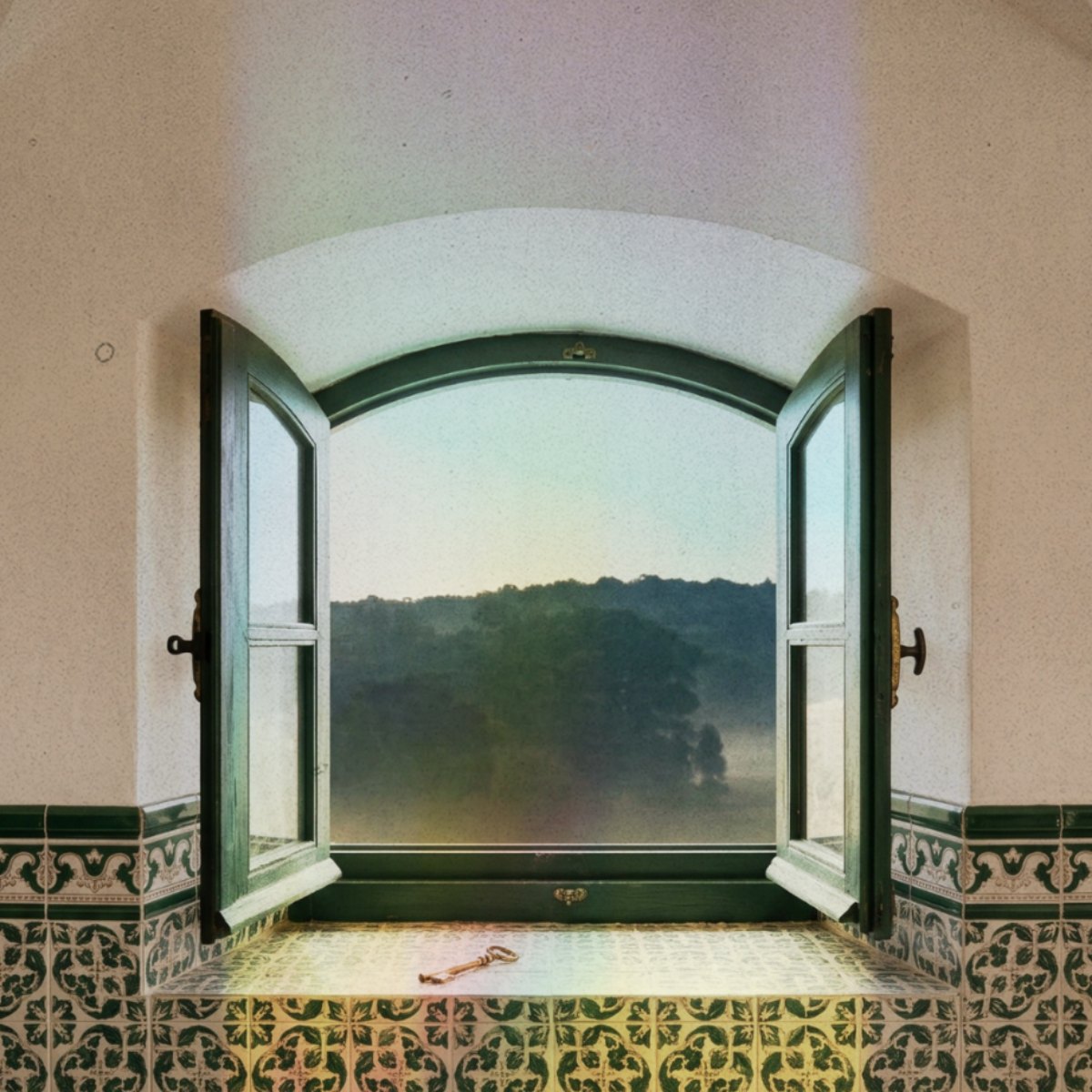
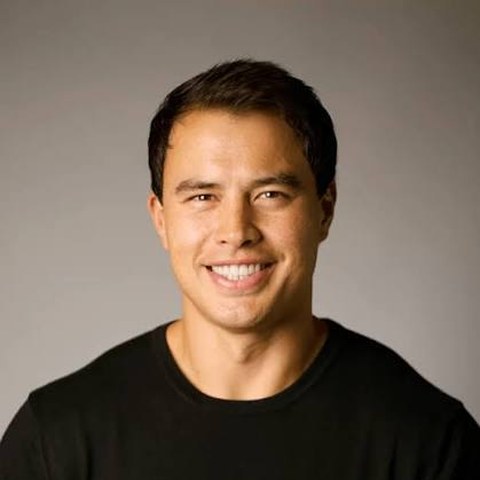
 Worth OwningEp. 05Marcus Mitchell
Worth Owning · Episode 05
How a farmland buyer decides what to own
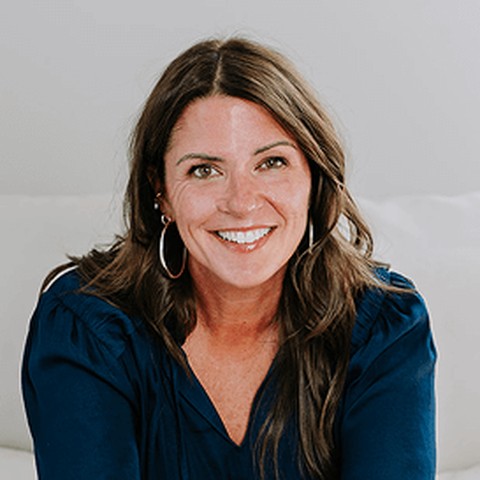
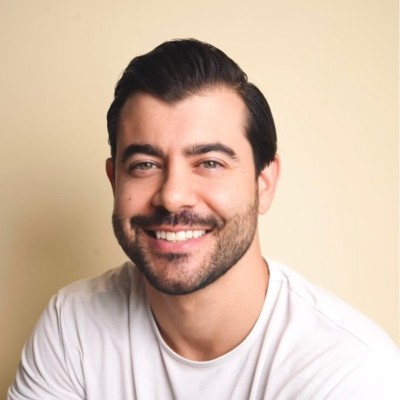
 Hosted by Krystyn Harrison · With Marcus Mitchell, Founder, Shire Capital ManagementOct 2025 · 46 min
Product, moat, operator: the 3 tests behind $1B in farmland
Overview
Marcus Mitchell joined Bonnefield in 2011, when it managed about $10 million, mostly the founders’ own money. Over the next decade the firm raised about $1 billion, primarily from Canadian pension plans, and Marcus oversaw the investment of that capital as CIO. In 2021 he left to start Shire Capital Management, focused on land that grows healthy food. His first deal, British Columbia’s largest organic blueberry farm, closed in six weeks.
Marcus walks through the three tests he runs on every deal: a premium product, a moat that stops growers from flooding the market, and an operator he can trust for decades. In farming the moat is often the land itself, like a dry, isolated valley where organic berries are hard to replicate. He walks away from most deals, avoids magical thinking, and asks for evidence over promises, starting with crop yield records.
Then the turn. Shire is moving from owning land to buying operating businesses, starting with apiaries, at 2 to 4 times cash generation, and backing operators who want to grow but lack capital. For owners who have sold, Marcus explains why the strategies that create wealth differ from the ones that keep it. For owners selling, his advice is to research who the buyer is and what they want before the first conversation.
Chapters
What you’ll learn
Where does your business stand today?
Get your Optionality Score →More on the episode
Note: Krystyn, Matt and their guests may hold interests in companies discussed in this episode. Worth Owning is not financial, legal, tax or investment advice, and is for informational purposes only. Do your own research and speak with your own professionals before making any financial decision.
You may also enjoy
All episodes →
Transcript · Worth Owning · Episode 05
How a farmland buyer decides what to own
Marcus Mitchell, Founder, Shire Capital Management · Oct 2025
Marcus
There's a saying it's like there's strategies you pursue to create wealth. There's other strategies you pursue to keep it. You want to have some kind of niche, some kind of moat that is defensible. You want to identify pockets of the overall market that do not scale forever and that's generally because of some kind of geographical or physical constraint. I think the primary lens is shareholder value. When you acquiring a business, you have to think, okay, who are my shareholders? How am I going to generate return on their capital for an appropriate amount of risk where basically we're looking for um something that is in the vertical of producing a healthy food product that scales with its balance sheet. Secondarily, can we buy these businesses for let's say 2 to 4x of their cash generation, the EBITDA dial, let's say, or just EBIT. And then the third piece of that is if you're doing those two things and you're generating cash, what are you doing with that cash?
Krystyn
My guest today is Marcus Mitchell, founder of Shire Capital Management and former CIO of Bonnefield, Canada's largest farmland manager. Marcus has overseen more than a billion dollars worth of farmland acquisitions. And in 2021, he decided to take a different path, leaving a top role at a large institution to start his own firm. In this conversation, we explore the mental models Marcus uses to evaluate deals, what makes him lean in or walk away, and how he thinks about creating value after the ink is dry. For founders, this is about seeing the world through the eyes of a buyer and also learning from someone who's built something for himself. Marcus, welcome to the show.
Marcus
Hey, thanks Krystyn. It's great to be here.
Krystyn
So, I'd love to start a little bit more about your own personal journey from this institutional role to starting your own firm. How did you get into farmland investing, the oldest asset class in the world?
Marcus
Yeah. No, you know, it's a good question and uh I feel like I'm dating myself. It's wild that, you know, I graduated 15 years ago from Western and at the time, you know, you probably recall, Krystyn, it was just after the great financial crisis. The world looked very different than it did today. Um, it was a rough job market. I guess that I guess that's uh that's similar to what we're seeing today. But one of the things that really stuck out to me, um, when I graduated, I actually started my career at Colliers International. I thought I was going to be in commercial real estate.
Like you know seemed like 50% of the people I graduated with were doing the same thing and um obviously it's a major part of our of our economy especially here in Canada the GTA one of the things I noted though when I was doing some of my research at the time about the asset class was through the great financial crisis there are very few assets that remained non-correlated so seeing that I thought was quite interesting and having been focused on real estate and having a sense of what had opened well in Canada but certainly North America regarded the institutionalization of that asset class. It felt like farmland was probably maybe three or four decades behind where commercial real estate was but was primed to be consolidated as it were and have more institutional capital come into the space because of its diversification benefits but also because it proved to be an very effective inflation hedge and as far as institutions were concerned a very good match for their long-term liabilities.
So a lot of institutions um people are living longer, they have beneficiaries they need to pay for longer. Having assets in their portfolio that are durable in that regard um seemed to make sense. And so in 2011 I had the opportunity to join a firm called Bonnefield Financial, which at the time um nobody knew about. The firm had 10 million bucks under management at the time. Most of it was the founders's money. And joining at that time I just said look I just had a sense that because of what had transpired the great financial crisis there was a really good future and opportunity in the sector and for myself is that I want to be part of that hopefully build the industry out in Canada and uh have been part of the early days of that industry's formation and long story short that's basically what happened so over the next 10 years we had quite a lot of success we ended up raising about a billion dollars from primarily Canadian pension plans and I was involved with the investment of that capital and the management of those assets over that time, which I loved.
So through my 20s, I spent most of my time, you know, traipsing around rural Canada, meeting amazing people, farmers of all stripes growing different crops. And I just loved it. I just thought it was so cool just to be able to see different parts of our country, meet people that are obviously outside of an urban context and have, you know, different ways of life, different ideas about things, but ultimately, you know, just good people. Like they're people you'd love to hang out with and get to know a bit. And I really really loved what I did. I think during that time I had a bit of a epiphany moment where we had formulated our strategy at the time around just owning bare row crop land.
And obviously when people think oh Canadian farmland they think the prairies like you know wide open spaces really big combines growing your typical commodity crops. So in the prairies you know wheat, barley, canola. In eastern Canada you might grow a lot of corn and soybeans which is more traditional in let's say the US I-states. One of the things that really struck struck me at one point though is I had this thought where I was like, man, you know, it's really weird. I wouldn't eat anything that's like growing on farms that we're investing in. Really, in my view, that's where that sector is now in terms of trying to evolve past the, you know, let's make food cheap and plentiful to let's make food healthy and optimal for people.
Um the epiphany that I had at the time. And so in my later years at Bonnefield, I was like, look, what are the sectors in this space that can combine all the things I love about owning land and, you know, ownership of something tangible and real, but instead of growing something that's, you know, generic and widely available and cheap, produce something that's ultimately a product that's healthy and that, you know, at the end of the day, the consumer who eats it will be better for it. Um and not worse for it. And so looking closely at the space, it looked to me obviously like horticulture would be a better bet in that regard.
And it just so happened that you know horticultural land is an incredibly small niche subsector of the overall farmland category. And I think once once I made the decision to leave Bonnefield during COVID, you know, I partnered with my business partner Vuen at the time, like he had been at Brookfield for 10 years, so obviously he was very steeped to the real asset space and investing in, you know, long lived um tangible assets for cash flow. We both said like look, you know, we kind of see where the puck is going with regard to capital allocations kind of moving to this space. We understand the trends regarding health are likely to resonate more, you know, with our investor base.
And we decided that was probably a sensible thing to focus on. You know, I think from the time I started my career, from graduating in 2010 to today, there's been something like 200 billion in additional allocations from institutions globally towards agriculture or farmland investing. And so, it's really gone from almost a non-existent sector to a very major asset class on the books of, you know, major institutional asset allocators around the world. And so when we looked at that, we thought like, right, I think this is this is a trend that we would feel good about staking our careers around and ultimately it's something that we feel good about having accountability in, ownership in, and ultimately feel like we can make a difference in and that's really how we came to do what we do.
Krystyn
Well, and I see what this sort of through line if I think about, you know, your origin story. You landed in this, you know, amazing environment where you're able to see the billion dollar raise and actually see the scale and be part of that as a leader in the company at Bonnefield and then to see a different niche and sort of an opportunity in your investment thesis and shape that with your partner around, you know, uh what I what I would say sounds very much like a values-driven values aligned decision. And what we talk a lot about with our clients is when you think about your capital and you think about how it's allocated once you've exited and you have you know wealth to think about it's it has to be values-driven in how you allocate it because wealth is a tool it's not the quest it's not the destination and so was that an important part of that jump for you just finding something more values aligned to how you were seeing the space that was also an attractive segment of the market to go after.
Marcus
Yeah. No, for sure. I mean, it no question like the values piece, I think leading with that is so essential to being interested in what you're doing and feeling good about what you're doing because, you know, ultimately you get one life. You have one career and at the end of it, you kind of want to look back and say, look, I did something that I'm proud of, not something that I, you know, did to pay the bills. That's fine. If you have the ability and the opportunity and the flexibility to chase something values align, I mean, 100% go for it. It's the old ad just like do something that um you like and it's you value. Do something that pays you. Do something you have skills in. If you can get
Krystyn
Ikigai. Japanese. Yeah. It's right. It's like that Venn diagram. I love that perspective. That's sweet.
Marcus
100%. If you're if you're lucky enough to have something in your life where those Venn di that Venn diagram overlaps. I mean it's a very clarifying exercise. And you know for me that was that was just it. And so um 2021 it was still peak COVID as you probably recall. It was um still the era where inflation was transitory but I think anybody was paying attention thought like I don't think so. I think it's likely going to show up in the economy in very real ways. So 2021 we launched the business in early March. Basically in six weeks we were, you know, we begged, we borrowed, we, you know, took a any any capital that we could get our hands on, we were happy to take um ahead of making our first investment, which was this farm that's behind me.
It's, you know, British Columbia's largest organic blueberry farm. And it was an amazing time. It felt like the biggest sprint of our lives because we wanted to get it done before harvest or the season began rather. We did. So, I mean, mid April 2021, we closed our first deal that that year in 2021. Um, you'll recall that's when the inflation prints started to really kick up. Land values went really really nuts in well both the USA and Canada. Like the rate of change was probably at a like 20-year high that year. And so we thought like, wow, look at us. How smart are we? Um, you know, we made we made this investment right ahead of like land value starting to rip and you know, in a in an era of very cheap interest rates. Um, and ultimately we had really good performance that year for that reason. And it was uh it was an auspicious start for sure and we felt very good about what we what we were doing and who we're partnered with and ultimately the product we were growing.
Krystyn
And so on that note um you know thinking about the starting point you had gone from a very established build that you helped scale uh to then starting from scratch and as you mentioned like you were just hustling to find you know the capital allocation to start to get this off the ground and make that first acquisition which looks absolutely beautiful just looking at the visual behind you kind of idyllic and dreamy. Um, and so, you know, just thinking about that first conversation to make that acquisition. We're talking now about an asset, but on the human side, you're going over walk us through what that felt like to talk to the person who owned that land and kind of how that how that experience was from a buyer's perspective. How were you looking at that? What did that look like, that first acquisition?
Marcus
No, it's a great question. So, as you might expect, like through my career, I met tons of growers across the country and developed really good relationships with them. After I left, many of them reached out to me and said, "Hey, like what are you doing? Sorry to hear that you left. It was great working with you." And obviously, I said, you know, thank you. Appreciate it. And at the time, we were like, look, we know we want to invest in healthy foods. We have this um this view that real assets coupled with healthy food production has a really, you know, auspicious future that we want to be a part of.
One of the growers I had a really good relationship was with was a um a large blueberry grower in British Columbia and he said like look Marcus like there's this organic blueberry farm um that you know I know the manager of and his investor group basically want liquidity. They were um there was about eight people who were who had funded it and so as you know when there's uh deals with eight people in them generally people's uh interests diverge over time and uh it seemed like in the liquidity event was the best solution for um the farm manager the guy who was basically running the day-to-day ops.
So what it was really about was this farm had been acquired by this group. Um it had been developed optimized and after let's say six or seven years there was a divergence of opinion as to what to do in terms of stay invested or get liquid and the get liquid folks won. And so basically um through a very close relationship we were introduced to the party um got to understand the operations the vision and in six weeks we were basically able to execute that transaction because we had a pretty good sense of how these assets traded in office. That's what I did for a living.
So I had a pretty good sense of how to value these things. And um that was it really. That was the that was the beginning. You know the rest is history as as I say it was really about creating a liquidity event for a number of financial investors in this farm. Uh and in doing so enabling the operator the you know the guy that was doing the work um enough capital and support to really unleash his potential and allow him to really execute his vision for what he saw this farm becoming. And that's been a major through line for our work here at Shire. Really we started in the organic blueberry space.
It's still our largest segment in terms of what we invest in and this farm has basically 3x'd since we made the initial acquisition which was always the vision. It was really to help expand in this valley kind of control more of this specific microclimate and you know grow I think by far the most organic blueberries in the west coast of Canada and it's been it's been really cool. This was we just finished our fifth season. So, wow. That was uh it's been a lot of blueberries, that's for sure. And uh honestly, long may I continue? It's uh it's an amazing product, amazing amazing food source.
And that was ultimately what led us to be interested in the first place, just this understanding that wow, like this is a phenomenal product. It's so good for the consumer. Um that's really how we led our thinking on this. I think that was the main criteria. You know, what is the product? It seems basic, but the product is not the land, it's what the land produces,
Krystyn
Right? And so thinking about sort of how you evaluate the value in a business. And so if we just kind of can get into your headspace, your framework for how you look at an opportunity, right? I'm hearing a few things. I'm hearing, you know, this idea of, okay, our core thesis is around access to healthy food. It's about producing healthy food that's very values aligned. And so blueberries, antioxidant properties, all these wonderful things in that particular product. So product being core to that. What else what are the other couple of factors that are really critical to you that are kind of make or break when you look at an opportunity?
Marcus
Yeah, for sure. I mean I think it's it won't surprise most folks that are interested in buying businesses, but there's a lot of commonality. I think you want to have a terrific product. You want to have some kind of niche, some kind of moat that is defensible. So the real challenge in agriculture is if things are good, farmers will just grow more until it's not good.
Krystyn
Hm.
Marcus
Classic problem. They farmers will grow themselves out of a profit if given the opportunity. And so generally speaking, you want to identify pockets of the overall market that do not scale forever. And that's generally because of some kind of geographical or physical constraint like I.e. You cannot grow this anywhere else.
Krystyn
The land becomes your actual moat in a way. Land, environment,
Marcus
Correct? A literal moat. And I think that that is so important, you know, if you intend to own something and compound in it for the long term is that you really understand what that is. And you know, for us with regard to the organic blueberry opportunity in British Columbia, it's ironically as as valued um as organic healthy food is in BC, it's incredibly hard to grow organic berries in the lower mainland because it's so well a populace, but it's also very very wet. And when things are wet, it means there's, you know, pathogens and the ability for things like fungal pressure to spread and other pest pressure to spread that are very difficult to control.
With organic inputs. So, what you really want is something that's relatively dry and relatively isolated and it there's just not that many places in the south coast of BC that have those attributes. So, the valley where we're situated happens to be um quite well-appointed with regard to those two factors. It's at elevation, it's dry, it's a valley, so it's from the rest of the valley. And because it's that elevation, the product also comes later than most of the other fruit elsewhere in the products. And that's the moat. So you have organic fruit that comes later in this little window that basically is very very hard to replicate as far as
Krystyn
I think what's What's really key for folks who are listening, one of the things that is very clear to me is just that you're extremely values-driven, thesis driven, and extremely systematic in your approach. However, there is a deeply human aspect here. You're talking to folks that typically this is their life's work. How do you how do you think about the human side of going through diligence, going through that dance and then what comes after?
Marcus
Oh man, it's so important that that relationship is dialed in and that you have this level of trust and transparency that's, you know, you're going to you're going to be betting on it for a very very long time and hopefully the rest of your career if things go well. And so I think the thing you're looking for is, you know, obviously um a level of rapport where you know you can trust somebody because you're going to be working with them for a very long time. You want to be very avoidant of magical thinking because that's a very dangerous trap and obviously a compelling one. People can very much believe in what they're doing, but you know, if they if they do it to a point where it just stops really being tethered to reality, what's actually possible, um, I think you're potentially setting yourselves up for disappointment.
Krystyn
Actually, on that note, magical thinking and the owner's mindset themselves, as you think about deals you've evaluated but haven't done, have you ever walked away from a deal?
Marcus
Oh, sure. I mean, mo most of them. I think
Krystyn
Interesting.
Marcus
A lot of it is likely to do with the first two factors to be honest before we to the third.
Krystyn
Yeah. Product moat.
Marcus
Oh yeah.
Krystyn
Third being
Marcus
Well the relationship right the partnership. We're not we're not at least in this stage we're not going in there and running a farm ourselves. We're highly reliant on that counterpoint who has the um situational credibility, the knowledge, the expertise, the education to make it happen, you And if that relationship is not good, like we're really kind of um up that creek without a paddle as it were. And so h having a sense of the counterpoints, integrity, commitment to what they're doing, um groundedness and ability to formulate a plan and execute consistently. I mean, that's everything, right? It's going to be it's going to be absolutely critical.
And I think for me, what was really helpful is that I had been in the industry for, you know, a decade at that point. You kind of got to know who was who, uh, what their reputations were, you know, what their histories were. Um, you know, the proof is in the pudding, as they say, like, "Show me your crop yield records and tell me like how good you are at this." Um, that's incredibly important. But
Krystyn
Show me, and this is actually something really really key here. We talk about how, you know, and I've raised I've raised money for my past company. And in a VC conversation is much more about the future. How big could this get versus the buyer conversation is typically show me the results. Show me how you've achieved those results, right? Like prove it kind of. And is that kind of is that your experience as well as you're thinking about validity? It's both, but it's what are you buying, right? A lower risk asset ideally.
Marcus
Oh, for sure. I mean, definitely more the latter. It's, you know, proof evidence. The more you have it, like the more difficult it is for someone to, you know, distrust what it is you're saying. And that's obvious. I think most people you say that it's like, hey, show me the evidence, right? It's like, well, duh. It's it seems obvious. It's, you know, particularly for something like this, it's like this is not gonna 10x, right? It's not like the berries are not going to magically spontaneously like compound into being 10x.
Krystyn
It's a generational hold for many, right? Like is what it sounds like.
Marcus
Exactly. The way you build wealth in the sector is through the balance sheet, right? Your income state produces hopefully income and gains and free cash flow that you use to expand the balance sheet. And if you do that consistently over time, you can do very very well. And that's really a result of the balance sheet, right? It's not because they were, you know, increasing their profit and revenue on, you know, on a per acre basis every year. It was really the balance sheet kept growing. They made enough money to support it. Inflation does its thing and then 30 years down the road all of a sudden your balance sheet is enormous and on a pile of wealth that you probably didn't even perceive accruing over that time because life was pretty consistent. You basically you farmed, you harvested, you sold it, you tried to take a vacation, you tried to buy the neighbor if they were selling and that was it. I mean, farming has been a relatively predictable and consistent business model for a very long time.
Krystyn
Well, and especially in Canada when we think about our geographic mass, right? We have the population maybe a little bit more now than California as a state and this large land mass, tons of farmland. So, I can absolutely see, you know, the potential there. And it's not a space that many of us, especially in tech, have really thought about until perhaps after exit. We were chatting a little bit earlier just around how a lot of the folks on the LP side of the fund, which which are folks who are limited partners, they're investing um have come from a very intangible world of tech. I'm curious as you think about the relationships you formed, the um folks who are there investing, you know, what's the why for them? What's sort of as you think about folks who have exited who might be even listening pre-exit to how they want to allocate their wealth? What would you tell them?
Marcus
Yeah, I mean it's a it's a great question. Honestly, I would say the most common situation is um a family or an individual have generated a lot of wealth generally through a concentrated position in some kind of business. They have some kind of liquidity event and they're like, "Wow, I realize how risky and crazy and volatile it can be to take the risk required to gain wealth. Now that I have it, how do I keep it?" And many of them come to the idea themselves that you know what I would really like to just own land something that I know is immutable, scarce, fixed. It's not going anywhere and ultimately I don't have to think too much about it.
I know I know it's going to be there because I mean there there's a saying it's like there's strategies you pursue to create wealth. There's other strategies you pursue to keep it. And I think that's really the change in mindset once somebody attains um a level of affluence that they're in a situation where they're like, "Look, I've just been executing like driving this bus like trying to execute my mission. Now that you know, I've kind of got off the stop here." I'm like, "Well, now what?" I mean, that's one emotional trigger for many people is I just want to own something that's real that I can rely on that's not correlated with anything else I own.
Ideally, that protects me from inflation long term. But I know if my kids or my grandkids um have want to look at where their wealth is coming from, I know it will be there. Like the land we're investing in is well, it's been around for a very very long time and it's uh it's not likely to go anywhere anytime soon. And uh it's a it's a pretty rare asset that can say that. And I think the other part of it is um the values piece as you had mentioned, right? I mean, for so many I think it seems almost trite, but like who doesn't think it's a good idea to produce more healthy sustainable food?
I mean, generally speaking, um if uh if folks are um aware of its benefits for themselves and their families and obviously society at large, it's a very easy thing to get your head around. Wow, that's positive. Like, this product is amazing. I probably have it in my own fridge. I probably feed it to my kids and I would like my family to consume more. I want that to be how I align my wealth, right? In terms of what it's owning, what it's producing, what it's enabling, producing healthy foods, I think, is a uh it's a pretty common desire for many many people who have gained wealth.
So, those two things, I mean, that that sense of permanence and that sense of values alignment, I think are really ultimately what attract people to the space. And it's just so different generally from other assets that they own. And I think one of the reasons that's true is well I mean as I said previously the amount of crop that you grow and its price is generally totally unrelated to what's happening on the NASDAQ 500 or what's happening with rates even because by and large a lot of the farmland space is not heavily levered like so much of the asset class has been owned generationally with little requirement to take on debt relative to the value of the assets that it's not hyperfinancialized. So, you're not going to have like rate shocks really disrupt the overall picture uh of the farmland environment. And as I said previously as well, people do not panic sell the farm,
Krystyn
Right?
Marcus
Right. You literally can't if the next 30 years of your life and your livelihood are dependent on having control of that asset class, you do not sell,
Krystyn
Right? Especially under duress. So, and just hearing this just to kind of close the loop on how you're thinking about this. There's this beautiful first mo point you put forward around, you know, just because you were a great wealth creator does not necessarily mean your skill set is wealth allocation. For some it may be, and we see this also too, just in terms of what folks want to do next, what they're exiting to. We work with them two to three years ahead to really help define that. So, you're not waking up looking at your bank account and going, "What do I do with this?" Right?
We want to surround them with the right folks like yourself who are starting to think about and expand their thinking around, you know, where their values will drive their wealth allocation plan and what that, you know, what folks they need on their team to help them think thoughtfully about where that goes. The other piece just around the amount of wealth that is tied up in businesses in general, but in literal land. Um, and there is a, as you know, the great succession. There's a couple trillion dollars worth of assets that are going to be succeeded in the next seven years. There is one of the largest economic moments of wealth transfer happening. And I'm sure you're seeing that in farmland, right? So, what an interesting moment and great time for you to be in this space to support those families in unlocking some some of their wealth.
Marcus
No, no qu no question. And it's um I mean you know the corollary with a lot of other industries that I'm sure you're familiar with it's definitely true with agriculture and it's been a common refrain that you know the average farmer is over 60 now and speaking there's not nearly as many of their kids that are interested in staying on the farm because what's happened with so many of these family farms is they've not been able to keep scale with the leading operational models that require immense scale particular If you're talking about grains and oil seeds, like farming and agriculture is generally a business of either extreme scale or extreme niching, right?
And if you're stuck in the middle, it's tough. It's tough to reach escape velocity where there's enough cash flow to make it all make sense. And you know, really the retirement plan for most family farms is I'll sell a farm, right? Literally, that's the balance sheet. That's where the wealth is. And often that's what happens. You know, mom and dad get to an age where they want to retire. They want to hang up the boots and there's no one to take over. So they're looking for someone to acquire the assets and basically fund their retirement. And that's when I was at Bonnefield that was a big part of what we were doing.
And you know really it was the idea of providing a financing solution to this succession issue that had been occurring not just in Canada but you know in much of the west. Um, and it's an it's an enormous enormous market that's basically, you know, I think maybe 2% of Canadians have some kind of direct contact with, but most do not. Um, but yeah, there's 150 million acres in this country, probably valued at pretty close to a trillion dollars Canadian these days. Um,
Krystyn
What a space. What a space to be in and to also not just be creating value for the LPs that are part of what you're doing and for yourself and your family, but unlocking wealth for folks who have had generational land ownership and farm ownership and have been growers and just this partnership that you form for them to participate in the liquidity event, but also to see further wealth creation, value creation, which ends up being wealth creation through the process. Yeah. If there was one thing, Marcus, you could tell a potential grower or family who owns a farm um or investors in farms, if you think about who you work with typically that they could do, one thing they could practically do today to get a little bit more ready for conversations with someone like yourself, what would you say?
Marcus
Yeah, I mean, I think it's to have a really clear sense of what that buyer persona and motivation actually are. You know, I'll take I'll take our example like we are not trying to boil the ocean. I mean, there's just no way like obviously we're still a very relatively small business um with a hyper hyperfocus on a specific niche. And I'd say really if we talk about the fruit sector, which we've been focused on, it's way less than 1% of the overall farmland space in this country. Way way less. It's a tiny sliver. And so generally speaking, if you know, somebody is growing, let's say, lentils in Saskatchewan, it's just we're not going to be the buyers.
We don't do that, right? It's just not what we do. I think there's a tendency to lump um participants in an industry into a big bucket like I'll just talk to any of them and just, you know, see and what's the conversation can't hurt. But I think a little bit of research goes a long way. And I think uh a little bit of research into what the objectives and rationale and motivations of any organization are um can go a long way in helping frame a productive conversation. Um I'm sure I'm sure you've heard this in sales. It's like if you're ultimately you're trying to sell, you're exiting, you're literally in sales, right?
There's normally some magic words that somebody is looking to hear that will light them up if you can just figure out what they are. And ultimately I think a lot of time maybe gets wasted because the work isn't done up front or there isn't a clear understanding of what it is those folks are actually looking to do. But the space has proliferated in a way now that there's so many more participants doing ag and farmland investing than you know really my career started in 2011. Um, you know, some folks are focused on Ontario or out west or row crops and we do fruit. Other people do whatever.
Like there's all all kinds of different folks out there. And I think spending a bit of time to um parse out who the participants are, what their objectives are, and who um might be a reasonable counterpoint for you given your circumstances is time well spent because it's a people business. Obviously, if you're trying to put a deal together, some rapport, some trust, some understanding that why is this good for me, uh, needs to kind of come across in those early conversations or it's going to be very, very difficult to get anybody's attention.
Krystyn
Absolutely. And this is something we work with our clients on too. It's this idea of understanding your own exit vision, your own preferences for deals, not plan, because this is a very artful science, if you will, more art than a science, very human. Um, and people buy from people. So, I love this idea of just making sure you're thoughtful about seeing your company as a product, understanding its own value proposition, and then working with and deepening the relationships with folks like yourself who come knocking. So, you started this, you have, you know, acquired land, that great, beautiful example of the first piece of land that you acquired in the farm and the growers. What is next for you as you look ahead at your own value creation story as as a buyer at, you know, at Shire? What is the future of Shire? Where do you see this going?
Marcus
Yeah, I mean it's a great question. Obviously, it's an important one to ask. And um for us, it's it definitely feels like with the exit in our fun story, it was the end of a really great act one. And in act two, it's been a really fun exercise to take a step back and have a look at um what our perspective is from where we've come. We've been in business now for four and a half years or so. And I think what's been really interesting is we've been exposed to this surface area of transactions and relationships um that obviously we couldn't have perceived when we started.
But I think our overall mission to produce more healthy food is it's a really unifying purpose for us. And when we look at the opportunity set that we have, I think one of the cool things that we've seen having created the surface area is, you know, we're really obsessed with these this concept of producing healthy foods. And so we identify what we think is healthy and we have a look at, okay, we want to get involved by owning the farm. In doing so, we've also looked further down the vertical stack and seen there's all these businesses that go into this process of producing the amazing products that we see in our grocery stores that hopefully we're able to feed our families.
And looking at these sorts of businesses, what we recognized was their ability to generate cash is a function of their exposure to this kind of surface area. And we're like, wow, actually um having done the work of building a balance sheet that's optimized for scale, which has always been our thesis in kind of buying these assets and leasing them to farm operators, we're like actually these businesses start to look really attractive when optimized appropriately. So this is the concept of getting the balance sheet right to support the income statement that matters. I'm sure this is something you talk to your listeners and your clients all the time about, but are you right sizing the balance sheet and allocating capital appropriately?
So, what we found is looking up and down this vertical stack, we're like, what we think we're creating are these really interesting businesses that generate cash. Nobody's really focused on them. They're never they're not enormous deals. They tend to be small, maybe high single-digit million deals. And I'll give you an example. One of the industries we're looking at now are apiaries, which are basically, you know, bee farms or honey farms. And it's something that really percolated out of our interest in owning orchards because pollination is such a critical input for an orchard. I mean, it's so indicative of how much fruit and how high quality fruit an orchard might produce is how effective was their pollination season.
And honeybees are a major major source of that pollination. When we looked at it, we're like, we're increasing our exposure to these orchards, but at the same time, there's this one industry where you're looking at, wow, the future here looks a little bit, you know, maybe suspect. There's a lot of volatility. You know, bee mortality is always in the news. Beekeepers, it turns out like a lot of other industries are getting older. There's not that many people that want to come into that space. It turns out stinging insects are kind of a rough sell. But we're like 5 years from now, like who's going to be providing these services?
And you know, we've been looking at investing in the space by basically partnering with really talented operators have a vision and helping them increase their balance sheet in a similar way. But it's the first time we're acquiring an operating business as opposed to, you know, we're buying a piece of real estate, you know, a farm and leasing it. We're buying an operating business because we see that it ties into our overall structure of owning these orchards uh and producing high high quality food. And we're excited about that because, you know, we're pretty sure um there's other parts of the vertical that this will make similar sense in.
Um EPR has been a very fun way to start. It's, you know, it's kind of a buzzy sector as it were. And um you know we're looking forward to exploring the opportunities that make the most sense in supporting the same mission which is ultimately producing more healthy foods. And so we started with the farms and basically looking up and down the vertical stack. We're seeing we think pretty attractive opportunities to supply capital to solve that problem.
Krystyn
So I love this. There's this evolution of your thesis. Step one in your plan, if I could kind of boil down what I'm hearing is, hey, let's buy let's buy the land and then let's lease it. That's our revenue model. That's how we create any kind of meaningful return. Um and then from there what I'm hearing from you is you are then moving into this idea of owning the farm owning the full supply chain from the moment you know what we think about and you had talked about earlier about this idea of only 2% of our folks really understand this particular niche and yet all of us are affected by our food supply chain.
When we go to the grocery store we see an end product. So, I love this idea of like how might we own more of that stack to own the farm. And then, you know, we had talked a little bit about this specific space. So, now you're going into diligence looking at a business in a different way because you're now going to be operating and accountable for an operating entity.
Marcus
Yeah.
Krystyn
What is the mindset shift for you in terms of how you wear the buyer hat? You jump into diligence. Are you looking at it a little differently? What are you looking at?
Marcus
For sure.
Krystyn
What's most important?
Marcus
I think the primary lens is shareholder value. When you acquiring a business, you have to think, okay, who are my shareholders? How am I going to generate return on their capital for an appropriate amount of risk? And what do I intend to do with that over the long term? And when I think about the kinds of businesses we look at, the whole reason we love it is this idea of permanence. It's like as long as you're producing that product, that input is required. So there's not a lot of uh risk per se with regard to the fundamental reasoning for that industry to exist or for that business to exist.
It does a thing that's important, but ultimately because it's not something that's going to, you know, organically grow or have like, you know, crazy upside, it's just a cash generation machine ideally. And so for a shareholder, our thinking is the opportunity to compound in the space to consolidate these sorts of businesses that fundamentally support what we do anyway is a compelling shareholder value strategy because of the ability to reinvest that capital continuously to ultimately capitalize on this availability of cash flow. Um, right and in doing so in a way that's aligned with shareholders and respects their interests. I think that's um been a really interesting learning for us in terms of looking at alignment on this side of the business and really why that's a bit different from simply owning a piece of real estate and leasing it to your counterparty.
Um yeah, I think that the lens of a shareholder and how you're creating value uh is critical like you know what are you going to do to generate returns for your investors? Can you explain it in three bullets? That would be super helpful. Um, right. Yeah, for me that's a huge part of what we're looking for because, you know, otherwise how do you understand it, right? If you can't rationalize that piece of it,
Krystyn
The storytelling piece is really is critical. And I think what I'm hearing is just this idea of how will we create shareholder value? What is our thesis? What are the three key levers that are going to pull? And this is the type of work that we do with our clients in thinking through the lens of how do we build a more generational version, a value, more valuable version of your business. Is it as valuable as it could be? If you really objectively look at your business, right? And I'm sure you would agree with this and let me know if you disagree, but I think every every business has opportunity to grow, has opportunity to be more valuable, especially when you think more systematically about that value.
And so love the direction you're going in and this succession challenge that you were talking to me earlier about just in terms of you see a lot of apiaries for example without a succession plan. Owners who have been doing this for years um is that part of your thinking? Is there's an opportunity for you to roll it up? Um how do you sort of proceed that if you don't mind me digging into your thesis a bit?
Marcus
No, for sure. I mean, there's uh there's clearly like an economic scale where these sorts of businesses make more sense. Um and I think it's certainly one of those industries that um there's plenty of deals to do if you have a really good strategy around what your capital is doing. How are you actually scaling value? Like what is the objective? And for us, it's pretty clear, you know, we add more bees, we pollinate more acres, we create more fruit, but at the same time, we have more honey and more bee products. So, there's all strategy around how are you marketing, selling, and distributing this product.
I think really though, it's not us being the geniuses that are trying to figure out these opportunities. It's really finding the entrepreneurs that are already doing it, but they're constrained for some reason. I think for us like there's a more principled approach where basically we're looking for um something that is in the vertical of producing a healthy food product that scales with its balance sheet. So basically as you get a bigger balance sheet your P&L metrics start to look a lot better. Um that's key and you're producing healthy food. Secondarily, can we buy these businesses for let's say two to four x of their cash generation? EBITDA dial let's say or just EBIT. Um that's huge. You obviously if you're buying for cash flow, you have to be buying at reasonable multiples of cash flow with a reasonable dependence on um their maintaining those cash flows. Right. That's key. So
Krystyn
The predictability of that. Yeah.
Marcus
Right. And then the
Krystyn
More risk less value,
Marcus
Right?
Krystyn
Less risk, more value.
Marcus
Correct. And then the third piece of that is if you're doing those two things and you're generating cash, what are you doing with that cash? And for us, that's where the consolidation comes in. It's like well talk to these entrepreneurs and say what is your strategy? Most of the time it's I want to be bigger,
Krystyn
Right?
Marcus
I you know I have I have all this operational leverage that I've invested in. And I have the team whatever I could be three times bigger is it's the most common thing we hear from farmers like no matter what they're doing
Krystyn
If I capital I would be bigger right
Marcus
Yeah
Krystyn
And I think this is a story that we hear often from other sectors we work across industries for example a lot of our clients are in very tech-enabled services although I'd argue that every business today and I'm curious too like farm there's a lot of tech that goes into every business these days and every business is touched by it. Um, but I think this idea of I've only I've gotten here. I've gotten to this moment and not for everybody, but for those who want to participate in the upside, this is typically the moment where they're reaching out to a private equity buyer. They're or they're being, you know, reached out to inbound by these buyers because they built something attractive.
And so, it is really just a question of how big could this get and do you want to be a part of that upside? Um, so I love the direction of where you're going and I'm excited to continue to follow along. And no doubt everyone listening here in Canada at least will have probably seen your product uh at the very end uh on their shelves. I know I will with the amount of blueberries we buy household.
Marcus
I hope that's the case. I mean, it's uh it's an amazing product and yeah, obviously uh you get it. It's something that so many of us consume daily, right? It's a it's become such a staple, but you know, for good reason.
Krystyn
Thank you so much for joining us on the show today. I so appreciate your perspective.
Marcus
Thanks for having me on. It's been a blast.
Krystyn
That was Marcus Mitchell of Shire Capital Management. Marcus didn't just buy farms. He left a secure role to build his own firm. His story is as much about being a founder as it is about being a buyer. And for anyone preparing for an exit, his mental models and perspectives are a powerful guide to what the other side of the table is really thinking. Getting to the Deal features strategic founders who have successfully exited plus the advisers who've guided them through their entire journey before, during, and after the deal. Exit Horizon is a private, highly vetted membership for Canadian entrepreneurs planning their strategic exits. Systematic expertise you need to maximize value and design what comes next. So, what resonated with you from today's story and what questions should I have asked? Connect with us at Exit Horizon on LinkedIn or reach me at krystyn@exithorizon.com. I'm Krystyn Harrison and subscribe to Getting to the Deal wherever you get your podcasts. We'll see you next week.
The full conversation, from the episode captions with light clean-up for reading. Check against the audio before quoting.
Free · 5 minutes
How much does your business still need you?
Get your Optionality Score: where value is leaking, and the first three moves to fix it.
Get my Optionality Score →