



 Worth OwningEp. 07
Worth Owning · Episode 07
4 co-founders, a 5-month sale, and what came after
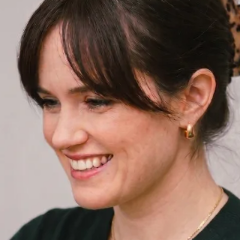
 Hosted by Krystyn Harrison · With Julie Ellis, Co-founder, Mabel’s LabelsNov 2025 · 54 min
A 17-tab diligence list, then the hardest part: leaving
Overview
In 2003, Julie Ellis and three other moms started making personalized kids labels in a basement. A tiny magazine mention and a feature on The View turned Mabel’s Labels into a real business, and the four ran it as co-CEOs for 13 years. They grew to about 40 people and sold to Avery, part of CCL Industries, in a $12M exit that took 5 months from first call to close.
Julie shares what made the company ready. They built their own label software early, brought in advisers who knew more than they did, and used a tight one-year plan and budget to keep four co-CEOs aligned. When Avery called, they were already asking who should lead the next era, and they always took the call. Julie ran the deal room and worked through a 17-tab diligence list and the EBITDA add-backs.
Then the part nobody prepared her for. After closing she took 3 days off, became an employee overnight, and soon struggled to see her place. Once she left, she got stuck. Her advice to owners two years out: set up the structures and processes, and spend the same effort on what you want next, because you have to add before you subtract.
Chapters
What you’ll learn
Where does your business stand today?
Get your Optionality Score →More on the episode
Note: Krystyn, Matt and their guests may hold interests in companies discussed in this episode. Worth Owning is not financial, legal, tax or investment advice, and is for informational purposes only. Do your own research and speak with your own professionals before making any financial decision.
You may also enjoy
All episodes →

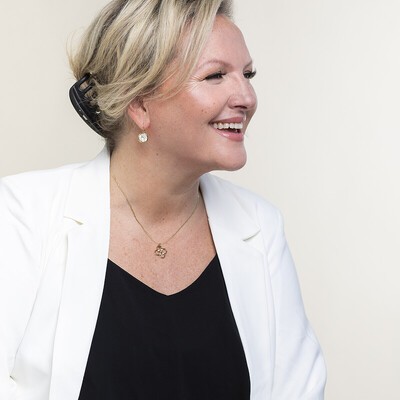
Transcript · Worth Owning · Episode 07
4 co-founders, a 5-month sale, and what came after
Julie Ellis, Co-founder, Mabel’s Labels · Nov 2025
Krystyn
My guest today is Julie Ellis, co-founder of Mabel's Labels. Julie and three other moms started making personalized kids labels in a basement in 2003. 13 years later, they sold the company to Avery, or CCL Industries, as the world's largest label maker in what became one of Canada's most talked about exits by women entrepreneurs.
Julie
And she opened the inbox. She sent one of our other co-founders a message that said, "I think we have a virus because there are so many orders in the inbox right now. I don't know what's going on." I think the other thing you learn is even when you think you're diligence ready, you are not. We had a spreadsheet that had like 17 or 18 tabs on it with at least three to 10 items per tab that was involved in what we needed to pull together for due diligence and we didn't have it all.
I took like 3 days in February after it closed because I said to my children, I was like, I was really mean at Christmas. I'm really sorry. Uh there was somebody I had on my podcast and she talked about how you have to add before you subtract. My efforts and my heart was in building that business. And so when I did the giant subtract of leaving, I had not thought about, you know, what were the things I should add in? And I think that kind of contributed to getting me stuck.
Krystyn
Is there one piece, one kind of action that you think a founder could do now if they're two years out from thinking about starting a sale process?
Julie
Two years is a magic time for setting up structures and, you know, for the IQ pieces of the business, making sure that your practices and processes and all those things are good. But I think it's also a great time for you to start thinking about what you really want.
Krystyn
All right. So, let's go back to when you started. Take me back to 2003. You're managing, you know, client assets. You're a financial planner. What was the moment where you thought, you know, I should start a label company in a basement with three other moms, right?
Julie
Well, we were all having young kids and, you know, we were sending them to daycare and nursery school, those kinds of places. And, you know, they would say, "Please label everything." And when you asked, "How should we do that?" The answer was masking tape and a Sharpie, which isn't pretty, and it actually doesn't last. So, if you put a masking tape label on uh like a bottle or sippy cup and you run it through the dishwasher three or four times, your marker is nearly gone. So, we felt like there was a product market opportunity there based on our knowledge as moms and based on talking to the people that we knew.
And I think we were all ripe for change in our, you know, situations, in our careers. And, you know, I was in a situation for me where I wanted to get promoted. I wanted to advance in my career. And I didn't want to get on a commuter train and go into the city every day where I was, you know, at least in the best case scenario, I was an hour away from my kids when the daycare called and said they were sick.
Krystyn
Yeah. And I you're speaking to me as someone who doesn't know the pain of labels washing away because I have only ever with my two young kids had Mabel's Labels. And so I thank you from all the parents out there today for making that easier and also more fun and playful for the kids to choose their own designs and really personalize them. So thinking about you know four founders coming together you know that's there's challenges in that and everyone you know the sort of the play would be you know at least one co-founder but four um what made you believe as a team that that it could work at that time?
Julie
We had a good variety of skills and we could divide up the jobs really well to you know get a little farther a little faster before we had to hire anybody. So I would say in the beginning that was our real value proposition. We are also all related. So it was a family business which you know gave us a little more I think um reason to have care in how we wanted to come out uh the other side. We went into this business as friends.
Krystyn
That's beautiful. And there is something more to it than just a business or an asset. There is this sort of sense of hey you're solving your own personal problems as moms first and foremost that you saw you saw a gap in the market you went to go solve your own problems You did it and as we'll get to you scaled that and you didn't just sort of start with an MVP you were able to get all the way to a multi-million dollar exit um what was it in terms of the family or the friends and then that coming together that made this do you think sort of more of an advantage for you in creating more of a legacy kind of component here.
Julie
Yeah, I think it came together just in a way that, you know, allowed us all to do what we did really well and there was a good balance of that sort of like visionary. There was a good balance of oper ability to operationalize um you know and run the various pieces. Even though we did have somebody who came into the founding group with a printing background, but she never managed production. And so, you know, we were each able to build out a skill set and help ourselves to grow um both personally in the skill sets we had, but also like collectively in terms of growing a bigger business.
Krystyn
So having very clear accountability from the very beginning, which is often, in my experience, something that we miss as co-founders. You're kind of doing Everything. You're wearing every hat. You've designed the business around yourselves, but you have four of you to multiply your impact pretty early. It's interesting.
Julie
Yep. And early on, it's really advantageous. Later on, you have to be a little more careful about not creating silos, you know, because we tried really hard not to step on each other's toes, but to let us run the things we were responsible for running, but at the same time, you have to be a little careful that, you know, it's not the um you're each building your own little fiefdom within the within the bigger company. And I mean, you hear stories about companies where that has happened with co-founders. So it was always trying to find that balance of like letting each other do our jobs but coming together to make the big important decisions and having a good regular cadence on doing that.
Krystyn
So let's go back. We're going to time travel a little bit. So very early days you go from an idea that you're talking about to forming a partnership to formalizing this business. When did you know that it wasn't just some cute idea to solve your own problem and hey whoa we really have something here. What was that moment? If you could take me back to that.
Julie
Ah, we had gotten a really tiny tiny little write up in a magazine called Canadian Living and at the time they had these parenting pages in the back. And you know, it was literally like 1 and 1/2 by 2 and 1/2 in. We're talking like a tiny write up. And it had been, you know, a few months later and all of a sudden the business was in my sister-in-law's basement at that time. Um, and she could just hear the phone ringing ringing on all day. And you know, she was planning to work that night.
Uh, and typically that's that was the rhythm. We would make labels at night. We still all had our day jobs. She was home with her kids that day. And finally her curiosity got the better of her and she went down and, you know, it was somebody wanting to place an order. And when she opened the inbox, she sent one of our other co-founders a message that said, "I think we have a virus." Because there are so many orders in the inbox right now. I don't know what's going on.
Krystyn
Oh my gosh.
Julie
And you know, all day this kept happening. And you know, she didn't really know what had happened, but we could see that all of the orders said DailyCandy, the DailyCandy. And it turns out with a little research, we found out this was a subscriber newsletter out of New York. And every week on, I think it was Wednesday, they had um the kids candy. And so the candy of the day was the thing everybody needed to have. And we were that candy of the day that day and they had thousands of subscribers at that time and so we had more orders than we knew what to do with.
I mean we at the end when we counted them. So it took us all four of us kind of you know calling in sick to work and you know getting our like family members to come and help us and you know at that time like my mother-in-law was handwriting our envelopes like we were we were producing very very small quantities of labels and so it took us kind of like four or five days to get all these labels made. We, you know, in the end had like um lids from the photocopy paper reams and we were, you know, counting how many orders was and it was about 375, I think.
And, you know, to us that just felt like it was so much. We realized we needed to start to update processes like there was volume. It was going to come and we weren't ready. So, it was an opportunity. But that was, you know, in January And then by October of that year, we came back from Thanksgiving and we had a message on our voicemail and we moved offices. So, we moved from one basement to a bigger basement because we had an idea that my sister-in-law should just buy a bigger house so we could have a bigger office and she did.
Krystyn
I love it.
Julie
And we came back to this voicemail after Thanksgiving that said, "Hey, I'm a producer on The View and one of our hosts is having a baby and we're going to have a baby shower on camera and uh she's asked for your product to be in that lineup." And so that, you know, then very quickly she, you know, the host stood there, held up an item with our label on it and said, "I could not live without these." And then that was the biggest 24 hours in our sales history to that point. And that was something like about 900 orders.
Krystyn
And then from there, I mean, I've followed the headlines around Gwyneth Paltrow, Reese Witherspoon, all of these incredible celebrity moms. And so just seeing how A I'm hearing a problem that you had that clearly resonated with thousands millions of folks around uh down to you know the quality of the product that you had created that created raving fans to then have that earned media attention. Um and that I imagine put you on the map. When did you decide, hey, I'm going to leave my financial planning background behind and take the leap and go all in on this?
Julie
It was at somewhere between the like 18 month, 20 month and 24 month. I'm going to say we sort of had this like, you know, crossroads that we sat at where we were like we were not paying ourselves at that point And the business needed all of us. You know, I like to talk about when I was, you know, kind of eight months pregnant with my third child. I was working two full-time jobs. I was working my financial planning job and I was working at Mabel's Labels. And one day my husband said, "Julie, we can't do this anymore." And I was like, "Really? What do you mean?"
Krystyn
Oh my goodness.
Julie
Yeah.
Krystyn
I think about you. I truly think about all of you and the fact that your all of your kids were quite young, right? I have two young kids under four and it's It is not easy building a company while you're also, you know, dealing with literal mess. Uh it's messy. Life is messy. It's also beautiful. So, what was that phase like? And as you're building, if you think of anyone listening who's building a business perhaps and has young kids, what was that experience like? How did that if you did, you know, how does that shape you in the way that you built the company?
Julie
It was a lot of juggling with you know I so when I had my third my older two were three and five and I know uh one of the one of my co-founders likes to say you know when I had that baby her maternity leave ended and she had had a baby 15 days before me and so like we were really in that like we were doing the juggle um and it was a big juggle and we were making labels late into the night and we had a little bit of help at that time but We didn't have anybody working full-time into, you know, that came in the year after, but we kind of hit that crossroads where it's like, look, if we're going to make a go of this, we have to find a way to pay ourselves.
And so, you know, because I need to work at my job and I can't do that and do this sustainably. And so, we had to sort of say, okay, well, what if we paid ourselves $500 a month and, you know, then let's see how that goes. And okay, so that that went, okay, can we pay ourselves $1,000 a month? And, you know, we just kind of started inching our way upward until we got to a place where it was something, you know, I don't know if it was really livable, but it was it was not, you know, we were we were able to stay away from our other jobs.
And you know then we worked with our accountant over a long period of time to sort of get us up to you know market salaries and look at other ways of compensation and all the things that you do as your business grows
Krystyn
And as your business grows you know you start the business it's designed around the four of you. Um, how did that look? Cuz one of the things we were talking about earlier in past conversations was just how you prepared for conversations for potential uh for potential buyers. You felt like you were fairly well prepared on the business side on the IQ side of the house. Was there anything that you did to redesign the business as it scaled to ensure that it could scale beyond the four of you?
Julie
Well, we invested in software from a very early point, like probably not long after that first big rush. We knew we needed something to make our label making more automated. So, a combo of that, you know, software assist and upgrading equipment. Uh, so there was a bit of an equipment evolution over time until we kind of got to pro well something that was a lot more expensive. So that's why we kind of couldn't start there. But that combo kind of gave us the like today the label making would be largely automated. There's still humans involved but it is you know compared to you look at the very beginning when we were actually like typing names and then we were cutting and pasting and then we had barcodes and then it you know and so like it was a journey of building software.
Uh we could not find software in the market that could do what we needed. So we had to build our own and that is you know there isn't a technical founder in the four so that is also a journey when you're you know and I hear a lot of entrepreneurs today talking about that right because everybody needs technology
Krystyn
Completely well and I think just in terms of building the team and I had a founder recently ask me the question and they're early in their journey towards building to sell they're kind of two to three years away and they're wondering about the importance of team and surrounding yourself with the right people. Um because yes, there's tools and that's all critical to enable the growth as you're going. But tell us like as you think about the team and the way this all came together, as you look back with some distance, What was it about the team that made this really work?
Julie
So, I think that the four of us at the helm and we really did run it as co-CEOs until we sold. Um, and we can talk about why I think it made us open to selling when we a little bit later, but we knew that we didn't know a lot. Neither of none of us had been entrepreneurs before. We were um, you know, direct to consumer e-commerce was really in its early phases of um, you know, like we had trouble getting merchant numbers because they were worried about unsigned sales drafts like things. You know, there was no Shopify, there was no Facebook, there was no Instagram.
Um, so it was early days of selling things on the internet and we knew we didn't really we knew there was a lot we didn't know and so because of that we were always very resourceful about mentors and advice and bringing people around the table to kind of help us navigate And some of those early wins were really you know leaning on a professor that we had taken courses from at University of Waterloo when we were undergrads. And for some reason he decided to give us audiences. I'll call them audiences. We'd go to his little office and u
Krystyn
I love it.
Julie
Sit and chat with him every six months or year. And you know he didn't invest in companies like ours but he was a bit fascinated with what we were doing. And you know at one of those meetings he kind of like flipped the light switch on above me by saying you know your accountant's not doing his job. You shouldn't be trying to solve this problem yourself. You should have help. And support from them and I you know I was just like you are right why is this on me I'm not getting the advice I need and so he suggested um he said look I think I know someone who would be great for you also a former student of mine and I think you should at least have a conversation and so that conversation actually led to our first piece of work being that he helped us go through a strategic planning exercise and then we hired him as our accountant. And so he was always a strategic advisor to us in terms of, you know, the financial side of the business, but that he knew the business as a whole quite well.
Krystyn
Strategic planning, let's talk about this a little bit. And for some founders, you know, you're building, you're taking action. We default to action or we or we die, right? Like that's ultimately the feeling as you're building something and you're scaling it. But at a certain point, you need to be thoughtful about the direction of the company. And so, I've had conversations with founders who have built a phenomenal business that's very stable, that's core, they've scaled it, and then they get to a point where they go, what's next? Where else can we grow? What's the path And a lot of them there's a lot of fear around taking that big strategic next bet And a lack of understanding around, you know, how do I make a strategic thoughtful decision?
So, I'm thinking about you all, the four of you. You're bringing all of these advisers around you, which is very smart because it sounds like you knew what you didn't know and you wanted to build your knowledge and look outside. And so from that end, how did you think about strategic bets? How did you kind of plan for the future and building more value in the business? Um, did you think about it that way? And, you know, decision- making with four of you co-CEOs, that that's not easy, I'm sure. So, I'd love to get a sense of what that looked like in a Mabel's Labels basement or boardroom as you evolved.
Julie
Well, I think that it's probably if you think about the four of us, it's why we led ourselves to things that were a little bit more structured because if we could hash it all out and get a plan together for how we were going to go forward that year, then we could set budgets and people could go and do. And so it kind of kept us like it got us all on the same page. It got us to all buy in to what it was we were going to chase and go after. And then it kind of just gave us that cadence then that we could go on with rolling it out. And so we'd have kind of a three to five year vision, but we'd have a really really strong one-year plan or two. You know, we'd have a sense of we'd have a sense of beyond the one year, but the one year would be really buttoned in.
And you know, we set 90% of the budget and we, you know, went through processes like we need to hire 13 people. We can afford seven. What are the seven we're going to hire? How are we going to rank them? How are we going to map it so that we know how when we need to start recruiting so we get the person in the chair at the right time? Like we had quite a lot as time went on, we had quite a lot of structure. And I think it really did help us to, you know, kind of stick together in terms of being on the same page about where we were going completely.
Krystyn
And this is something that I do think some founders may be allergic to the idea of structure. Uh the idea of and we would say it's important to be diligence ready even if you decide to never sell your business building it in that way, right? Like building playbooks SOPs etc. Um so the business can live on without you. Imagine, you know, God forbid, right? So, I think what's your reaction to that?
Julie
Yeah. And I Well, I think the other thing you learn is even when you think you're diligence ready, you are not. And there will still be a lot of work that you have to do to actually meet the, you know, like we had a Spreadsheet that had like 17 or 18 tabs on it with at least three to 10 items per tab that was involved in what we needed to pull together for due diligence. And We didn't have it all. You know, we had to some of it wasn't we were never going to have. So to be clear, there were there were a few items like that, but you know, we had a lot and we had, you know, strong financials and um strong HR practices, but there was a lot that we had to it was a lot of work.
Krystyn
Well, let's get into that. And I again, lots of distance to be able to look back and if you were to thinking about the entrepreneur we're speaking to, how could they prepare from the preparation standpoint? Um, so shifting in, you get a call from Avery. Talk us through that moment. So, you've built this company. You're around 60 employees. Is that right?
Julie
Where were you? We were around 40 employees. Yeah.
Krystyn
Okay. Walk us through that.
Julie
Yeah. We got a voicemail one day in July. Um, and it was, you know, we kind of knew, we didn't really know how closely we were being watched, but we knew we were poking the bears because we had done things like bring a retail product to market and sell it at Walmart and sell it at Target. And in the category of stationary, we were hitting up against, you know, Avery and other big players. And we were outselling them and because we had a brand name at that point, right? We were, you know, nine 8 n 10 years into the business. We had a brand recognition. We leveraged the 100 plus thousand Facebook followers we had. We sent them out to Target and Walmart. Is that right? Mabel's Hood was the community on Facebook. The Mabel Hood. Yep.
Krystyn
Love it.
Julie
And so we, you know, we were doing well. However, we were also at this crossroads where um we were trying to figure out what the next era was going to look like in terms of we knew we knew the four of us as co-CEOs could only take the business so far. There needed to then you know you need to kind of like consolidate into a more traditional pyramid of leadership and you know how were we going to do that? Did we want it to be us? Did we want to hire from outside and become the board? Did we you know we were like exploring we had no real answers to what we were going to do but we had been exploring what it could look like and so when the call came it was like well we're already exploring and we also I think have the have always had the view of never say no Never gonna you're always going to take the phone call and see what it is like because you just never know and we had been approached in the past by always taking the phone call and so it was good strategy Um, and I think at that particular time we were trying to figure out where we were going next. And so their call really couldn't have come at a better time.
Krystyn
So who was it that called? Was it the CEO? Was it their corp dev?
Julie
It was it was a woman who was tasked with acquisition. Um, but she was pretty high up in Avery in the Avery organization. And you know they were out in California and um so she was sort of the president's right hand. The two of them are the general manager I think is the real title. But they came out and saw us and we had a meeting and we went out for dinner and we saw um one of their properties like a label making uh factory. Uh that's very impressive. And we that was really kind of where the conversation started. So they had not come to see us in our own facility, but we had, you know, met and that sort of thing. And every time we kind of talked to them, we were like, "Okay, well, like, you know, is the gate going to open or is it staying closed?" And we'd be like, "No, let's open the gate and see what happens next."
Krystyn
And keep exploring. Be open is what I'm hearing.
Julie
Yes. Open to the possibility.
Krystyn
And I'm curious, too, just in terms of how did that feel?
Julie
Kind of thrilling like, and pretty exciting. Um yeah and there wasn't there was a lot of thought about like we were at that point it was 12 years in almost 13. So you know you do start thinking about like okay we're building this how are we going to how are we going to get money off the table at some point like is this our you know retirement like what's h what will happen here and that maybe was more me because my financial planner brain thinks that way. Um,
Krystyn
But it is that piece right like you start to get to be like this is this is the asset I have invested so much in this now how am I going to kind of use this to get to something later you've built the equity how do we unlock the wealth and the fact that you had that mindset Which is a powerful framework I'm curious as you think about entrepreneurs a lot of folks and I myself included when I was building I wasn't thinking of my business as an asset. I was thinking of it as a job frankly as a mission as a you know need to solve a problem in the world and make the world a little bit better. Now on the other side and I spend some time in private equity my mindset completely sees building a business a little bit differently As you approach thinking about you know the entrepreneurs you work with. Do you see that as a common mindset that job versus asset mentality?
Julie
Yes. And I think so often we have our heads down and we're working really hard. And so we're more in the business than on the business. It's like that mindset shift of, you know, and I see so many people who don't pay themselves a fair salary and they're not and it's like you have to you've got to in my view, you have to figure that out because if you can't pay yourself a real world salary and later you can't sell the business as an asset, you've wasted a lot of time.
Krystyn
Yes. You know, in terms of like your income earning potential years, you know, you've got to really
Julie
You've got to find a way Because you know, hiring a big team and paying them all a fair wage and paying yourself something that's not appropriate is not I don't believe that that is right.
Krystyn
No, especially when it needs to be sustainable and building for 12 plus years, I mean, you're it needs to be a sustainable marathon, not necessarily a sprint. Um, but definitely empathize with the founder story. I remember one day I was choosing to not pay myself so I could pay the team, right? Just to get through a crunch and you live those lives, right? And um and that is why I think this that your story is just and our stories as we share them is incredibly powerful. But that is the important question that every entrepreneur needs to ask which is what am I doing with this business? Whether you choose to sell it or not there's many exit paths but it is true you've put risk in. Hopefully there's some sort of gain. And so talk us through the actual phase when you said let's pursue this a little bit. Let's see where this goes. What did that look like for you?
Julie
Well, I spent my time so at that time we um had an operational adviser who was working with the founder group and he kind of came alongside us during this process. So, he had some um experience and he had some ability to weigh in with us. And then we also used our accountant and we hired a deal lawyer. So, we never hired like an M&A specialist or that didn't end up being the path, although It could have it could have been at some point. Um and so I kind of like started my day every day with calls. By eight o'clock, I was talking to the accountant, the lawyer, and the ops guy um every single day basically was how my day started.
And I was I took the lead for making sure the deal room and the you know backfacing uh pieces were put together and we could answer the questions that they were going to have. And then one and I had certainly had help from my co-founders with that, but then one of the other co-founders took the lead on facing the buyer. So, we kind of divvied it up in that way. Um, and then the lawyer and the accountant were obviously involved like across the board.
Krystyn
And so, talk to me about the timeline and deals move quickly and time does kill deals, right? Any delay can absolutely derail this. So, art more than a science in many cases. This is people, this is relationships, it's trust and spreadsheets, but mostly it's relational, right? So, um, so your deal moved fairly fast, right? July to December, 5 months. Is that right?
Julie
Yes. It was like 5 months and 5 days or something along those lines. Um,
Krystyn
That's above average for speed. Just for folks listening, typical M&A processes are 6 to 12 months. So, what did that look like?
Julie
I told you how big the spreadsheet was. Um, we had good practices, but even then, you're, you know, depending on what kind of deal you're doing, right? Like this was a multiple of EBITDA deals. So you're going you are like combing through your books seeing what you can add back to your EBITDA because you're just trying to you know get your EBITDA up right okay well we just built a new website let's like let's add that back like you just look for everything that you can find that you could add back when you're doing an EBITDA based multiple Um so that's a lot of work and then
Krystyn
Actually just calling that out this is something that we work with folks on to learn but the power of the normalization and the adjusted earnings. A lot of folks don't realize this, but if a buyer is not going to incur something like a one-time expense like your investment in your website, let's just say as an example, It's a you have to defend these, but these are effectively credits. So, you can add back to your EBITDA to enhance it. Conversely, if you're paying yourself a million dollar salary and a buyer goes, "Oh, market for this is 300,000." You're going to have to adjust it the other way. But, was that a surprise for you or had you been sort of keeping track of your normalizations over the past little bit?
Julie
We had not really been keeping track of our normalizations. Uh but we had a very strong finance team. Uh we had a VP of finance. He had two or two people working for him. We had our outside accountant who was also really strong and knew the business really well. So we were well positioned to and we had strong processes because we were dealing with it was like a volume business, right? So, you know, you're selling a lot of a small ticket item and so the financial processes to make sure that you're properly reconciling and you understand what's happening in the within those sales because you literally can't well you could but you we didn't we did like a daily reconciliation so the sales totals were going in as lump sums every day and there was back there was backup for that but it kept to the books with less transactions, right?
Because if you're doing a thousand orders of labels every day, like having a thousand transactions going through your books would be a lot. So, we had sort of daily reconciliation processes. Um, and so it was and honestly, I could be like, we've done this, we've done this, we've done this. Like, it was pretty easy to pull a lot of them out. Um, and then, you know, and then it also depends like, you know, are the founders staying? Because if not, you should be crediting back your salary. Um, what are the different pieces that can
Krystyn
Very good point
Julie
Add back.
Krystyn
Had the four of you aligned on what you each wanted before starting that even getting the call with Avery or was that something you had to develop over time?
Julie
We had to we had to develop it really. Um, and then I mean and then you know figuring out who was going to actually run it because the way that they acquire businesses is that they hire them to run themselves. And so, you know, we weren't the part at no time ever was part of the conversation. You know, there's a campus, we're going to put you here. Um, which was part of why we were interested. Um, because they bought businesses and let them run themselves. And so we could stay in Hamilton.
We would stay in our same spot. The acquirer was Canadian. Like there were a bunch of boxes that were yeses for us when it came to that. And I mean today we're going to be 10 years uh since the sale at the end of this year. And They're still in the same building. They, you know, it's beautiful. They've done a big renovation there. Like they are. And you know I would say still about a quarter of the team who was there 10 years ago is still there.
Krystyn
That is an incredible outcome, Isn't it? From a legacy perspective, right? It's you've seen it live on. So, before we jump into your personal side and life after 10 years, incredible. Happy anniversary. Wow. Um, in terms of the ride that you were on during those five months and, you know, all the sort of pre-all with the core team before 8 a.m. Rituals you were doing. Um, I'm just curious, was there any moment during diligence where you thought I don't know if it's going to happen.
Julie
No, I don't think I let myself think that. Like, I just kept thinking, "Okay, next gate, next gate, next skate. Here's the list. Got to do that." Like, I really did. I really put my head down. Took on an avalanche of work. So, I didn't think about those kinds of things.
Krystyn
Yeah. And so, if you're if you're a founder, if you're, you know, ultimately You're wearing multiple hats here. You're still having to demonstrate growth in your business. While also running this process While also holding the cards very close from a you know transparency perspective not bringing anyone in keeping it very very small who did you bring in to that very very core team internally u was it just the four of you who had privy information to this happening
Julie
No we needed our finance person we needed his help VP yeah there wasn't really any other way we could have gotten to the finish
Krystyn
Yeah, that's great. But still a very small team and that's a key message here for a lot of folks. I've spoken with a founder who had Unfortunately revealed it a little bit too early and that caused a lot of angst and the deal is not closed until it is literally in your bank account closed.
Julie
And I mean we were under an NDA, right? So that's also pretty common that you're asked about non-disclosure, especially if you're being acquired by like we're being acquired by a public company. So yes, You know, you have to there is a duty of care and not talking too much about it. Um and not telling too many people.
Krystyn
You get to the end. So walk us through kind of those key milestones to the point where You're in the transition period. How did that look like? And I don't know if you can reveal anything from like a you know, again, whatever you can share, but for a lot of folks listening, you know, they think of an exit as a transaction. It's a moment in time When in fact there is a whole phase here. Um and then there's typically a transition period which is typically on average 2 years depending on Um and then there's deal structure with that. So are you able to share a little bit about your deal structure?
Julie
So we Yeah. Well, it feels like a giant race, right? So you're in this race to a finish line. Um it's a lot of work, right? And like finance has a lot of work because they're being asked to provide forecasts. Like not only are they trying to like once you've agreed then it's like well we need to this forecast and that forecast and what about this and we need to see the future Like what are your equipment leases and all of the things And then you cross the line and you're ready for a vacation quite frankly But then you have to tell people integrate talk to the new people provide another million financial forecasts because you're working now with a different group of people who weren't involved in the deal making and so you're like do you not know anything about our business and they're like no actually we don't and so that's where it is this like I never really thought of it as a starting line but it really is a starting line of the new era and that era is also frantic in those first weeks and months.
Krystyn
So did you have any time off in that?
Julie
I think I took like 3 days in February after it closed. Um because I said to my children, I was like, I was really mean at Christmas. I'm really sorry. You know, I like I it was so stressful in those last days, right? And you know, you're trying to figure out exactly how everything's going to land and what the communication plan is and you know, all the different pieces Um so that you can actually sign on the dotted line and get the deal done. Um that yes it was you know so I took three or four days off and we took a little mini trip and then it was really back because it was really busy in those early days and it did not take me very long to kind of figure that one of the hard things in a way about four co-founders um is that the size of the business we made room for all of us but in the after the size of that business it was more difficult to see room for me in my own view and I think my co-founders would tell you something different but for me in my own view I struggled to see where my place was.
Krystyn
That's challenging, right? And
Julie
Yeah, and it is that place where I think like my best skill is getting to the strategy table and figuring out, okay, we could do this, we could do this, we could do this. Like looking at what are the options? And I can really quickly start to see, nope, we nope, nope, nope, I think it's these two. Which one's going to get us, you know, where we want to go? And once you get acquired, that isn't necessarily what they need from you.
Krystyn
This is a really key point to talk about. And so you end up going from Founder, owner, employee. You signed employee agreements essentially. What did that look like for you? How did that is that part of what you were feeling? I mean 13 years, Is that right?
Julie
Yep. Just about
Krystyn
As a business owner. There's a there's a big identity shift with that in a span of three or four days off to quickly flip that switch Where you're where you're wrangling your three kids in a theme park. Like that's really not what you're thinking about, right? You're trying to you're doing more of a like let's have a family celebration than you are trying to contemplate your own future. So just thinking about your worldview and I can only imagine because I've been a founder. I've had an exit. You go from this sort of view of like, okay, I'm founder. This is my thing. I'm making decisions. I have control. You're then playing the diligence game where you're basically like you want to make sure you have leverage and it's, you know, it's an art. It's a bit of a dance and then all of a sudden it closes and you have to work together and now you're an employee.
Julie
Yeah.
Krystyn
So, is that a hard transition?
Julie
Yes.
Krystyn
Do you think
Julie
It was and I think it was hard because I Avoided Or I didn't I didn't think about what I wanted and what was next for me In terms of the transition we were making. And in fact, I would tell you I avoided thinking about it by taking on all of that work. And so when it was gone after and suddenly it was, you know, yeah, I was I was unhappy. I was unhappy pretty quickly. Pretty quickly. And I mean, we were fortunate in that, you know, the they wanted us to stay, but it was really we didn't have to stay.
Krystyn
That is also frankly a really great option for you to know that you didn't have to stay a certain time which doesn't often happen.
Julie
Yes.
Krystyn
Usually there's a minimum term and so you knew in your heart this was the time the business you got the business to this wonderful successful point this outcome. Let's talk about this personally for you from here on out. So you're leaving Mabel's Labels. You decide to make the move. Um, you know, there's a period of I want to call it cocooning, if you will, where you're in a big transition. You're taking a moment to kind of go, what do I do with my empty calendar? What's next? Um, what was that like for you to get to now where you are now? You're coaching, like you're in your element. You've written a book. I mean, what was that transition period like for you?
Julie
Well, it's like um even from like the moment so the moment you sell then I was needed here at this level and then I said I was going to leave and we you know made the announcement and then I was needed like here at this level like nobody you know you the meeting invites dwindle off and you spend your last kind of weeks being like should I go to the office today cuz I don't think they really need me you know like there's this like impending date where you're like things are really changing right now. You know, you can feel the business moving on without you. And then I left and I think almost immediately after I left, we like Dropped our kids off at summer camp.
Two of them were going to sleep away camp. My daughter was in high school. She was going to do a travel credit. So, we dropped the three of them off and the two of us, my husband and I went to Montreal for a few days on our own. We came home. Um, we, you know, went to our cottage. We have a family cottage. The kids finally came home. And then we had a really big trip planned. We were going to a family reunion in Ireland. And so, like, the summer felt like, you know, it was busy, right? We had a lot of things on. But when September came that year, my coach had told me I wasn't allowed to really dive into or commit to anything in 90 days, Which I think was a really um, valuable piece of advice.
My problem was I got stuck there. Like when September came and I was on the couch and I was sort of like to some of my Mabel friends, I was like, "Hey, do you want to go out for lunch? Do you want to catch up? Do you want to have a drink after work?" And they were all like, "I'm going to this trade show. I got to go to California. I got to, you know, like they were all super busy in the new era building the next thing." And I got like what am I going to do? And I think it was hard because like I also so I led finance, I led IT and I led our retail business.
And I sort of came away feeling, you know, like I'm not an accountant. I do I have no business being in charge of it. Like never written a line of code. You know, I'm good at leading teams. I don't have subject matter expertise on. But what do you turn that into when you're out in the world? And so, you know, in my own head, I was really going around and around and I really got stuck in terms of not knowing where I would go next.
Krystyn
Oh my goodness. Well, I can empathize with the feeling for me. It was literally a feeling like I don't know if I have any value if I don't have my business. I don't Yeah. Does that resonate? It
Julie
Yep. It was hard and a very deep um lonely too because who can you kind of go
Krystyn
I mean you've you had this wonderful financial outcome But then your business is gone. It sounds like your community was very tied to Work as well. Is that what I'm hearing about Mabel friends etc.
Julie
Yep.
Krystyn
It's challenging. So how did you come out of that moment? What was helpful for you to get through that transition?
Julie
Um I end it ended so it took me I did a couple of little like consulting gigs but still like that voice in my head telling me like I wasn't good enough for the work I was trying to do was pretty strong. Um but eventually I ended up getting a job running a business for somebody else. Um which was a really great opportunity and yeah it was. And so I kind of had you know the 135 people were reporting to me. I was reporting to the founder. He needed to he wanted to step away somewhat from the day-to-day and you know do some family things and some travel and so I stepped in to do that which was an amazing opportunity cuz I still was in the children's product space a little bit different brick and mortar retail and uh web- based um e-commerce Um and it was a really really great experience with another great brand and a great team and I learned a thought uh one of the things was at that time I was like oh I still feel like I want to go and build something for myself and so that's really where I think I crystallized on this idea of you know going back to a build of some kind and so that led me then when I left there to work on getting a coaching certification so that I would work with people then who were growing as leaders.
Krystyn
What a beautiful moment. And also I'm a very avid customer of Snugglebug. So uh well verssed in that but just to be able to jump back in I am I imagine I don't know but just for you to be able to be like oh yeah those skills are there. I've got I've got this be able to translate all of that into something and then go no I'm still a builder at heart. I need to jump. So yeah, Once a builder always a builder.
Julie
Yes, I would say. So uh what I have built though over the last decade is a lot more of a solo practice kind of business. I mean I do have some support. I have people who help me but it's not the same on the team level. And so at the 10 year mark now I sort of sit here saying like what do I want in the next decade is kind of the process I feel like 2025 has brought on me because I'm not I'm not and I don't know where I mean I like the work I'm doing. I love the people I work with.
Um, but there's a lot of time in these four walls that, you know, isn't tapping into a skill set that I have, which is that I'm really good at getting teams working together, getting the, you know, getting the wheels rolling and the, you know, lifting them up to speed. Um, so, who knows? I don't know what'll be next, but uh, I certainly feel for some reason I feel this decade piece of it. Um, and I felt it coming and I feel like something may be shifting, but I don't I don't know what that is yet.
Krystyn
Oh, I am so excited to be on the sidelines and see what you create next, whatever it is, as you continue to build your practice as well. Um, and so I'm as you reflect on the planning and the preparation on the personal side, it sounded like you were so deep in the build of the business, this came this inbound call came in, this voicemail that changed everything. You follow this exit path, you execute on it, you get the deal done, you start the transition, you know, you flow from there. Um, but because you're checking off that huge spreadsheet, you hadn't necessarily thought about what am I exiting to, As you think about the founders listening who are pre-exit, What were some of the things personally that you perhaps wish you could have done if you could go back in time to prepare personally?
Julie
Uh there was somebody I had on my podcast and she talked about um how you have to add before you subtract. And I was like that was my that like to me that shed some light on where I struggled which was that My efforts my you know I had a limited amount of hobbies but not a lot. Um my efforts and my heart was in building that business. And so when I did the giant subtract of leaving, I had not thought about, you know, what were the things I should add in? And I think that kind of contributed to getting me stuck. Um like I think, you know, pinnacles and plateaus, right? Like I think as entrepreneurs, we're very wired at climbing for those pinnacles. We're not so wired to sitting on plateaus.
And so like I just did not know what to do and I didn't it took me it just took me a long time and I ended up you know probably in a smaller you know vision of myself than I should have. Um So I would really you know encourage people to you know try and think about that as part of the journey if you get into an exit journey or you are in an exit planning journey is you know yeah where do you want yourself because I think that you know for the most part like I'm very very glad that I didn't have a one or two or three year period of time that I had to stay. I was very fortunate in that way. Um, but leaving is also hard.
Krystyn
Yeah. Yeah, it is. And there's a sense of loss, at least in my experience. Did you feel that a little bit? And again, it sounds There's a bit of a quiet loss there and uh and coming through that emotionally, right? So,
Julie
Yeah, there is. There is. And, you know, we can all do hard things like you know, it works out. But I do think when you feel like I think I was the founder who was gonna be that founder who hung out in a boardroom drinking coffee, reading a newspaper and like basically distracting people after I was done at Mabel's and instead it was this very fast like out into the world which was my choice. I did that to be clear. Um but I wasn't I was not prepared for that.
Krystyn
And so designing something you're exiting to and if you really looked at what you've built around you post and the way that you've designed your life after, do you think you could have tapped into some of that a little bit earlier in the build? Do you think it was possible? Could you have reached for it?
Julie
Yep. Yep. Like It's hard to see that.
Krystyn
It is hard to see it at the time.
Julie
Yeah. Yeah. And also I think because you know as founders we had developed roles for ourselves and I had some fairly clear pieces that I was working on that you know are very different to what I'm doing now. So I don't know if you know when you're when that piece of you h your head is in that I don't know if you think about like going out trying different things so much
Krystyn
Completely. Well Julie thank you so much for joining. Is there is there one piece one kind of action that you think a founder could do now if they're two years out from thinking about starting a sale process? Anything you'd recommend?
Julie
I mean two years is a magic time for setting up structures and you know for the IQ pieces of the business making sure that your practices and processes and all those things are good. But I think it's also a great time for you to start thinking about what you really want. You know, I think we thought about what we really wanted from an IQ perspective, like how much money we need, you know, needed to get on the table and, you know, all of those kinds of things, but I don't think I thought for a minute about what were the EQ things that I needed to get out of it.
Krystyn
Oh, what a great way to close this. Thank you so much for joining the show and sharing your story. It was such an honor for me, Julie.
Julie
Thank you. It was so fun.
Krystyn
This podcast brings you conversations with founders who've made strategic exits, plus the advisers who guided them through the entire journey before, during, and after the deal. Real expertise from people who've actually been there. Getting to the Deal is made for the Exit Horizon community, a private, highly vetted membership for Canadian entrepreneurs planning strategic exits. We discuss what most won't, how to maximize value, build systematically, and design what comes next. Connect with us, Exit Horizon, on LinkedIn or reach me at krystyn@exithorizon.com. I'm Krystyn Harrison. Subscribe to Getting to the Deal wherever you get your podcasts. We'll see you next week.
The full conversation, from the episode captions with light clean-up for reading. Check against the audio before quoting.
Free · 5 minutes
How much does your business still need you?
Get your Optionality Score: where value is leaking, and the first three moves to fix it.
Get my Optionality Score →