



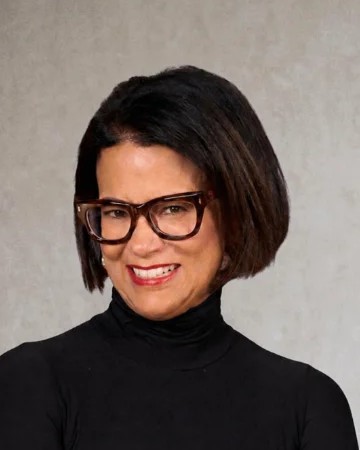
 Worth OwningEp. 01Andrea Matheson
Worth Owning · Episode 01
Build like a buyer: $175M ARR in 24 months
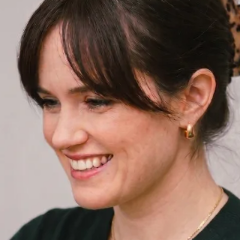 Hosted by Krystyn Harrison · With Andrea Matheson, Chief Business Officer, HorizonSep 2025 · 37 min
She ran 30+ acquisitions at CGI, then built one 3 banks bought
Overview
Andrea Matheson spent years on the buy side at CGI, handling more than $850 million in acquisitions and the diligence and integration of over 30 deals. Then she crossed the table. She co-founded Proponix, a paperless trade finance platform, took it from zero to $175 million in ARR in 24 months, and sold it about four and a half years in. Across three exits, she has helped create more than $1 billion in shareholder value.
Andrea explains how the build was shaped by an exit from day one. When 9/11 stalled the launch for 10 months, she used the time to talk to every potential customer she could find, and landed three bank partners: ANZ, Barclays and BMO. Proving the commercial case for those partners is what turned them into buyers. Along the way she kept the business documented, with a playbook a buyer could point to.
The turn came early. The three banks wanted the platform to themselves, which pulled the exit forward into six months of diligence, with board approvals at every bank. Andrea split the team so the going concern kept growing while a small group ran the deal. Her advice to owners: plan twice before you build, think like the buyer who will poke holes in your numbers, and decide what your time freedom looks like before the sale.
Chapters
What you’ll learn
Where does your business stand today?
Get your Optionality Score →More on the episode
Note: Krystyn, Matt and their guests may hold interests in companies discussed in this episode. Worth Owning is not financial, legal, tax or investment advice, and is for informational purposes only. Do your own research and speak with your own professionals before making any financial decision.
You may also enjoy
All episodes →

Transcript · Worth Owning · Episode 01
Build like a buyer: $175M ARR in 24 months
Andrea Matheson, Chief Business Officer, Horizon · Sep 2025
Andrea
Even when people think things can't be done, it's usually because you've got the wrong people involved. Having been on the other side of the table, you only build when you can see an exit. You know, I started thinking, you know, what would I do next?
Krystyn
Today on Getting to the Deal, I'm speaking with Andrea Matheson and her story might just change how you think about what's possible for a Canadian entrepreneur where she was responsible for due diligence and implementation of over 30 acquisitions. So, she literally knows how buyers think because she was one. The largest of these was Proponix, a fintech company that she took from 0 to $175 million in revenue in just 24 months. She's also our chief business officer and founding exit coach here at Exit Horizon. Today we're going to dig into the Proponix story, explore what it really means to think like a buyer. This is Getting to the Deal and here is Andrea Matheson. Andrea, welcome to the show.
Andrea
Super exciting. Thank you so much for having me. And this is my officially my first podcast. So really excited about it.
Krystyn
So at CGI going back there you were handling over 850 million in acquisitions um to then founding your own companies. What made you take the leap into entrepreneurship?
Andrea
Super interesting question and I quite often refer to it as coming to the dark side um after being in public companies. So uh which I thoroughly enjoyed and little did I know I would come over to this other side um not that long afterwards. So you know starting from there going to CGI and then literally looking at numbers and numbers of companies. So it was super exciting and very interesting like what great work. Every day you come in it's like okay we've got these one these deals going on these deals coming upcoming. And I think it was that that gave me that idea or you know I started thinking you know what would I do next um it was so exciting had great time you know really I was learning from some amazing people that's the other I was so fortunate I had so many people who were so willing to share their knowledge and that's where I learned that sharing your knowledge is the way to help more and more people and hence what I do today and so um I was working with these great people thinking okay what would I do next I mean this is so great and exciting and but it was, you know, at a cost because it was a public company, so there's a lot going on.
You're always looking at shareholder value, but also looking at um, you know, how to balance all of this professionally and personally. Um, because it is such a fast-paced um, model when you're in that M&A space. So, started thinking, hm, okay, interesting. This is a public company. I'm taking high risk. There's no doubt about it. No one else put their hand up for this assignment except me. So, here I am. And also became co-CIO at the same time for CGI with um a really great colleague so that we could really integrate the people and the tools they needed to do the job. That really got me thinking if I could do this for a public company, why wouldn't I myself?
Krystyn
There it is. There it is. High risk, high reward, might as well take it all for yourself. Was that the first moment in your life where you thought I could be a builder or had you had earlier instances growing up where you thought you kind of knew you'd already had that entrepreneurial bug?
Andrea
Yeah.
Krystyn
Was that always there?
Andrea
Um I don't think it was. It was uh I was definitely a builder. I would I would always dive into the hardest assignments, do the first, you know, nobody else wants to try it. I'll try it first. Uh those kinds of things. So I had a resiliency I think already built in that. And so, you know, I think that coupled with the experience I got where I really saw the other side of the t like saw that table going, "Whoa, whoa, whoa, whoa. There's a lot going on here. People making decisions, crazy decisions, making no decision, which is even worse." All these things that happen that really caused me to think, could I do something and take 1,000% of the risk?
Krystyn
Oh, I love it. And just the through line of being disciplined, of having the ability to work through hard things and stay the course. Um I've seen that especially when you've pushed me as as my coach in our past. Um but let's dive into one of those builds. So you the Proponix story. Um going from zero to 175 million US ARR in 24 months. What was going on if you looked up right now? If we could transport ourselves, time travel back, what did it look like to be a builder in the 2000s?
Andrea
It better be unique and it better work. Those are the two things I think people are like, you're doing what? It better work. Probably the next two words. And they'd never been a builder, so they wouldn't even know. But um it came across to me through a friend who said, you know, I'm thinking about doing this thing, but I don't have the technology background. And I'll tell you, my deep dive into technology with CGI was crazy. I had um I was really fortunate my ARC is systems architects, which are really the cream of the crop in a tech company, but they know how to the one thing I think is the theme of those roles is that they're able to speak the right language when they need to.
So, they would teach me every morning. I would go to the offices where they were um for the first like six months I guess of my assignment with CGI and learn and that told me that even when people think things can't be done it's usually because you've got the wrong people involved and so I'd always ask those questions say okay well we're going to do this like what's what could go wrong and who do we need who are the people who are the best people to have involved in this so I think from you know I talked with my friend who had the subject matter expertise in trade finance because that's what it was is a platform for trade finance to um you know marrying it with great technology leadership and deep technology knowledge.
Uh those were the two factors that really made it what it was. Um so we did the feasibility study made sure we had all the right things that we needed so the right ingredients went in. Um and it was not the first time it had been tried. So that was the kicker there. People would say why would you do this? There's been three or four other people who've already tried this and they can't get it work to work. And I said, I think the secret sauce is different than what they think it is. Um, interesting. And by taking that extra time, which is what I spend my time with entrepreneurs, is helping them to understand you're better off to spend two times the time right now, um, uh, doing the planning and understanding of what you're going to do before you do it.
It's kind of like the uh, measure twice, cut once, similar thing. And so you really do that that theme has been you know mine for sure my entire career. Um and today every person I speak with I talk about that because if you can figure out is there anything unusual about what you're about to do um that you can avoid or take advantage of. Either way um we better we better know that earlier than later.
Krystyn
So let's go back to the origin story of Proponix in a sentence. What did it do? What problem did it solve for banks?
Andrea
Uh two things. So things move faster for goods traveling around the world because it's trade finance. So you're looking at being able to settle um uh much quicker and completely paperless removed all of the human error that happened every day. You had paperwork went back and forth but not did we ever think that it would be a global become a global um
Krystyn
Incredible
Andrea
Uh issue. So then you know the banks were really struggling with that quite frankly. They want to do the business. They want the money to transport through them because of course there's millions and millions of dollars involved in this. Um and so we went to a completely paperless in a kiosk that you could go and check where your orders were. Shocking today I tell people and they're like what that's just standard. I'm like yeah it wasn't then.
Krystyn
And didn't you tell me at one point there were literal buildings that when your solution went out
Andrea
Got sold and they took the money back into the organizations the banks. Oh, BMO, for example, they housed paper one seven-story building on Simcoe Street where people if they're downtown Toronto, it runs off of um runs off of Queen, but there's a little tiny pie part between Queen and King. Um that there were several buildings there. BMO had one of them that they actually were able to sell all seven stories of because a seven-story building. Sell it, take the cash back in. Um because uh they didn't need it anymore.
Krystyn
So reducing errors, reducing cost, super clear value proposition, very very tight
Andrea
And lots of money transacting, right? There's a big high value transactions going through. So um it really made a huge difference the currency exchange like all of it because it all collapsed. We collapse the time of these things happening into like hours versus weeks, months, sometimes years
Krystyn
Due to all the manual workflows. And we're seeing today, you know, I fast forward to 2025, 25 years later, and you've got a world where workflows continue to be automated now even more so with AI agents, for example, literally. So, it's an evolution of all of that. And I'm curious when you think back to that story, that build 175 million in ARR. You were telling me the other day that an AI startup recently did that in a little bit less time, but that would have been revolutionary considering the moment in time you were in, the speed at which you could scale that. What did that feel like for you?
Andrea
Complexity, it was crazy. First of all, multiple c multiple countries um multiple teams um but that is I mean really when I read that story uh recently that the AI firm had done it I thought back and I said okay wait a minute that's why the three partners that we had as our first clients wanted to hold on to that platform like that's there's the reason right because when you know that you can do it and you can generate uh you know for sure for them was amazing. They could generate so much more cash on their transactions and um really added strategic value to each of those large banks, ANZ, Barclays and BMO. Um that's why they wanted to in the end buy it from us because
Krystyn
Because you had proven the commercial viability, you'd proven the business case.
Andrea
They did not want anyone else to have that kind of ability geographically and they were all non-competitive non-competitive colleagues in the marketplace. Um non-geographical competitive as well. So they were okay to sit the three of them on one platform, but they weren't willing to let anybody else sit.
Krystyn
And for you to drive that scale, that strategic partnership path. I think from my experience as a builder, but also with folks that I've spoken with and our clients as well, there seems to be strategic partnership as something you do when you're kind of at scale perhaps for some and it's often overlooked as a very smart build strategy. And I would actually call it, you know, building with the end in mind kind of strategy where you think about a path to acquisition through partnership first, which is a very common path, especially in finance. So I'm curious at the very beginning, the origin, you started, you had this idea. What was that like getting to form those partnerships? And was an acquisition an exit? Was that always part of the play that you were making? Did you see that as a path?
Andrea
Having been on the other side of the table?
Krystyn
Yes.
Andrea
You only build when you can see an exit.
Krystyn
Aha. Okay. I'm going to say super important
Andrea
And that's what I helped when the entrepreneurs I work with today. I say we're building to build a sustainable business that has an acquisition path like or an exit path. It doesn't have to be acquisition could be other ways. But if you're not building in that way, then what exactly are you building? A lifestyle business. Lifestyle bit. Lots of lifestyle businesses. Lots of them. Uh not not seen as many in Canada but I think you know if you're not building that way so we were always thinking that we were we were all people who had been in very successful corporate careers the founders and so we were always thinking no we're not doing this forever we've already done the forever job we're doing this for fun get it done and then we're doing something else afterwards um and so you if you're not thinking like that then it's going to be really difficult to understand what decisions you they have to make, right? And so that's a lot of it, right? You make decisions, you'll make different decisions if you're always thinking about does this truly bring value to what we're doing in order to get to where we need to be.
Krystyn
Yes. And this is what we're all about, which is why we've partnered together to build this company through that exact frame around how do we help more owners shift from owner operator mindset, looking at their business through P&L, looking at their business through the salary it brings in income to thinking of it like a buyer in terms of this is an asset. How do we build value? How do we grow a more valuable version of this company, which I didn't have when I went through my own exit. I wasn't thinking that way. Um, I'm curious what does thinking like a buyer practically look like as you've as you've worked with owners? What have you seen build from the beginning?
Andrea
It means you're building sustainably. You're actually documenting things. You have a playbook. You have things that actually I can point to because when I can, you know, on the other side of the table back in my M&A days, I'd walk in, they say, "Well, we have this, that, and I'm like, really? Where are those things?" I don't see any of it, you know? And so a lot of it is literally building touch and feel. But it really it does mean that you have to think intentionally about what it is you're doing. Okay? It's not just let me go out and sell something that I have no idea if it actually is going to work.
We need the MVP. You're going to go and test it. You're going to go and talk to your potential clients. All of that. There's so many things that need to be done up front that make it a very different experience to get to something that actually can grow, excel, and then have a path to an exit. And that takes a little bit more time. So, it's not there's no overnight successes. You know, I love when they throw it at me and they say, "Well, Facebook and this." And I'm like, "Wait a minute. First of all, you're not Mark Zuckerberg." But that's a what is that a 25-year overnight success?
That wasn't making money for the first 22 years. Like some ridiculous number like that we're talking about. That's why because it takes a long time to figure it out. And so if that's the case, then we've got to really spend that extra time, do our planning, research, discovery, talk to people, go and talk to your potential customers, see what those issues are before you think you know what you're doing and go ahead and do it.
Krystyn
And that playbook resonates for the owners that we work with who have started, they've scaled, they've hit a certain level of growth in their business. And for many of them, they're going, "What's the next revenue stream? What is a buyer going to look at? How do we drive recurring revenue in our business?" And it's exactly like starting again where you're going, we're launching a new value case. We call them value cases in terms of it's a new revenue stream, for example. What might that lift look like? And the only way you know is if you maintain that level of curiosity and experimentation in your culture which should not be foreign to builders who are listening.
Andrea
Yeah. Absolutely not. But I think there is, you know, there was a time when you just went and built. Like you just that's that was your only you just built. I didn't have that. The other thing I was coming back to too was uh I didn't have that opportunity because 9/11 happened just as I had delivered checks to my technology partner was going to help me build and then we sat for 10 months essentially waiting for everything for the right reasons that the world to calm down. So, you know, that was totally not on my that was not on my plan, just so you know.
Um that I would have a 10-month waiting period, but that's where we spent that extra time to okay, who can we talk to? Let's talk to every person around the world that we think could be a potential customer. Go and see what they're they are they not huge list being created of all this intelligence of information, but now we probably could find a different way, but we actually did the hard work of doing it. And you know it did help that we were able to convince the first three partners during that period for sure but it took 10 months that you wouldn't normally have
Krystyn
Okay
Andrea
If you were running the business at the same time and we couldn't really start the business until kind of that 10 to 11 months. So we had that early work done which would have had to been done but it would have been done on top of layered on top of other work that needed to be done. Um so the build you know started the tech build we inspected all everything was ready to go but we just couldn't um until the world kind of came back to some sort of normalized um you know business and so that's what we did during that period so that helped but it was an 11th month again not overnight 11 months of talk to get three that potentially I didn't have them signed but potentially they wanted to become and then they did um within that first year and then we only had literally literally a year to prove the model
Krystyn
And prove the results.
Andrea
So by the time they signed to get to that 175.
Krystyn
Incredible. And so from your perspective, if we think about that phase, how long was the full build until the exit itself?
Andrea
Shoot. So four and a half full exit everyone.
Krystyn
Phenomenal. And so that that process going through diligence, going through the exit phase, and then all of a sudden the checks cleared. Did you go through a transition period? Walk us through kind of that that journey for you personally. What did that look like?
Andrea
Yeah, for sure. There's always a transition period. Some sort of transition, even if it's two days. Some people don't have a long one. That's okay. Um but uh yeah, and it's also letting go, right? Uh whole other ballgame. That was my baby for four years. Took about six months for the due diligence, but you know, letting go, saying, "Okay, now that's going to, you know, it was turned back into our partners, so their organizations." So, making sure everything got put nicely into their organizations and kind of tied with a bow. Um, and it's not that it has to be yours, but you feel that attachment to it, right?
There's a lot that goes through in that. And so it's really starting to, you know, you start to rethink, okay, so what does my life look like after this? What things am I going to do that I haven't been doing? What things am I going to do more of because I have more time? You know, all of that needs to be decided. And I really think that's part of the exit that we wait till the end to do. And I really feel strongly it can't be left to the end. Um, in fact, now I've worked with entrepreneurs who've exited start a lot earlier. Hence our process at Exit Horizon as well that we start earlier so they start to think about the things that could be impacted not just what you want to do but what do other people in your family want to do what other people are you obligated to do things there's a whole host of things um so we want to get that process started earlier and help people to really get there so when they do exit um they have a sense of what that next step or you know what their adventure will look like going forward what their exiting too.
Krystyn
We often talk about how we spend more time planning a two week vacation than we do what we're going to do the next 10, 20, 30 years of our life. And I'm curious, was there anything that if you look back and reflect on the three exits that you've had that you felt surprised by that kind of snuck up on you afterwards?
Andrea
Well, I'm going to say it was Proponix. I mean, we were so head down like we've got it. It works. You got three there could be 300. Like we were all going crazy going this is going to be the best thing until they said well we don't want anybody else to sit on this SaaS plat SaaS platform to sit on the bus we don't want anybody else to take any more seats on this bus and so we're like hold on we got it we figured out no one else had figured it out been tried three or four times other large organizations tried it couldn't get it to work we got it to work Um, it worked.
It turned, he turned, it was perfect. That really snuck up on us, I'm going to say. So, it made sense. It totally made sense to them. But it caused the exit anxiety, if you will, to come sooner than later, right? Because that's not that wasn't the timing we were thinking. We were thinking, hey, so it's five years, probably five years of full hard work and then, you know, some point after that exit. That that one snuck up on us
Krystyn
Which is an interesting lesson and something we talk a lot a lot about with our members around and our clients around um always being ready to have a conversation with an unsolicited buyer, right? Because someone may come knocking and Matt will always say my co-founder, you know, uh you never know who's talking about you behind a boardroom, which is also why you can't be thinking this is my dream acquirer, they will acquire us. You have to be building for options and optionality. Um, so interestingly that it came up. I'm curious, was there any moment in that journey when back to the point of resilience that you maybe had doubts that this thing wouldn't fly or even that the deal wouldn't get done. Was there anything that happened that caused you to go, "Oh god, like is this going to work?"
Andrea
Oh, yeah. There's all especially dealing with banks um there's always there's always like another wrench that gets thrown in somebody else uh because there's so many levels of as you can imagine levels of um approvals that are required and uh it's going up to the board and the board's going to have questions and they're not sitting at the table so there's questions that don't get you know answered and then you have to answer them so the timing I mean I think we already worked with fintech so we understood that and we're really um as uh I credit a lot of my sales um acumen to that time because I learned how to shepherd things real tight to get the money we needed onto our bank account and get it right.
So, uh but the deal is no different. It's very similar. So, you're really selling you're selling the assets of the business all the executives to understand here's what you have and we want to you know everybody to agree on what we all have. What we all will have, you'll have it after we give it to you. And uh so that takes a lot of effort and there's lots of days where you think we're at the 11th hour, it may not go. And that's okay because we calmly keep our minds on the focus of we're moving to exit whether it's this exit or another exit. And that's why a lot of the time you do have to have a divide and conquer approach.
Uh carve off a team that's only working on acquisition and the going concern still needs to be a going concern because that's what they're buying and demon demonstrating growth continue to grow the way you say it's going to grow and so um I think that's the single the single biggest thing because things as much as you there they were three partners clearly they wanted it there was I mean it should not be a doubt but they're not the only people sitting at the table they're not the only people that are about to sign the check they have lot of influence influence, but they were not the folks. It had to go to the board level in each of those banks. So, um, that's where the money was coming from for them to buy it.
Krystyn
And in 6 months, the deal was done, deal was closed, there was a transition period, and then all of the sudden you had an empty calendar and you were on to do the next thing. Um, and then Proponix in terms of the three that you did. And when we talked, we I've worked with you for over seven years now. Crazy. Yeah. Kind of wild. Uh, seven years and not once in our working together had you ever put forward that you had created over a billion dollars in shareholder value, which is what I also love about you because you're very much not leading with this grand massive exit, which you often hear in these in the headlines, right?
All these entrepreneurs walking around with these wonderful dollar signs. But I've gotten to know you personally and it's just very clear to me that you are such a giving person back to your wanting to share your knowledge, your pattern recognition, all of that, which is why it's been incredible to be able to learn from you, um, and work with you now. And so I'm curious when you think about that, um, how have those experiences shaped you as a person, as a mother, as a wife? Like what is that how do how do you think about how these have shown up in your life and kind of how you've then passed that and paid that forward to the entrepreneurs you work with?
Andrea
Mhm. Uh, I mean, first of all, you know, it's all stuff that I've loved to do, but I've worked with some really amazing people and I learned from so many people in my M&A side, but um, I credit that to being because it was a Canadian firm quite frankly. You know, those things made me who I am. That time, those people, they made they to believed in me. Um when I didn't have the experience to do that kind of large thing but they said yes you can because you did this thing over here you can do that and sometimes we need people to say to us oh you did that guess what that translates to this and you can do this um and so I do spend in my time with entrepreneurs helping them to understand those things I think because I was able to do it that I know that with you know the right focus the ability to really withstand a lot of crap that will be thrown at you in the process because there is
Krystyn
Keep shoveling. Yeah,
Andrea
Keep shoveling. But I mean I think that's the single biggest thing because if you really believe in what you're doing and it has a sustainable foundation which is key what I always go let's find make sure this is sustainable that you're actually able to do that every Wednesday at 10:00 if that's what you think you're going to do. Like how is that going to all work? The practical application is that you have to think through these little bits to be able to stand and you know move forward. And I think we're seeing that now certainly in these next few years. We're going to see that with some of this new technology that's on the horizon and uh starting to tiptoe into everyday life.
And why is that? You know, again, you know, my business wasn't I didn't dream up a 9/11. That happened to be six months in of building my business. I had to find a way. I believed in it. So, is this, you know, this too shall pass. There's we have smart people in the world. We'll figure this out. It will all come together. Uh, and it did. And we've had other, you know, other things like that in the world. We need to think about that now because there will be something else that will disturb what you're thinking right now. And in order to not have that as a significant close the doors event and keep the door open so we can get to the other side, we have to spend time thinking about those things now.
Krystyn
Well, and I think what I'm hearing the through line of your story here is just this idea of having been in the deal room, having run transactions, having harmonized all these acquisitions at CGI, over 30 of them, then to take that buyer perspective to building your company, not building it through the lens of what I started with mission, rallying a team, right? But think, you know, which is part of it to be clear, that's part of it. But you're thinking more systematically about the value you're going to create in the business of turning that PowerPoint deck that you start with and then moving that into drive building customer building revenue streams scaling beyond yourself which is stuff we always talk about but the end is always in mind that idea of I'm going to build a company to sell versus build a job build a lifestyle business for myself which is a beautiful choice and it's a choice to create value is not an easy road.
It's not for the faint of heart. It's hard. There's difficult decisions, but it's a beautiful way to think about creating creating a, you know, wealth for yourself as an owner, as an entrepreneur, and also creating jobs and kind of all the beauty that kind of comes around that. And so, I'm curious, just last piece more on the personal side, if I may. You know, many builders start out not with a lot of wealth. Many people start out, we're scrappy. We're literally the ramen noodle diet, right? And you're just You're building the thing. You have this unwavering belief that it's going to work out. You have a crisis out beyond your control happen and you keep going anyways.
You're resilient. All of a sudden, you have three exits over a billion dollars in shareholder value created. And I imagine we've never really talked about it, but you come into into wealth. Um, what does that all of a sudden feel like when everything settles, the bankers go away and it's you and how you choose to spend your time and your and allocate your wealth. Is that a really challenging transition period? Is that hard? Is it different? Does life change? What's your perspective?
Andrea
I think I have a different perspective than most. Um, I think it shouldn't change quite frankly. You should have the things that you love and are valued to you already. My first priority was always experiences. So, what could we do? What could we learn from? Who else can we learn from? Um, travel, all of those things. But I think in a lot of cases people do struggle with it because other people I don't think necessarily the founders struggle with it but I think other people connected to them struggle with it and don't understand why they're not all of a sudden splashing out or and some do. I mean, we hear those stories. Those are probably the ones that are in social media most as splash out here, do this, do that. Oh, now they're doing this. Now they're buy I mean, those things don't really mean a lot because when you don't have a lot to begin with, it doesn't matter as much.
Krystyn
You had time to be
Andrea
I had time freedom.
Krystyn
I time freedom. I love that.
Andrea
Time freedom is what I finally had. That's what I would think about when I was working crazy hours. And that the wealth was my time freedom. Being able to do what you want when you want to do it and who you want to do it with. I think that's the other
Krystyn
They say that is the ideal life, right? The ability to control that and that is true wealth,
Andrea
The good life as they say.
Krystyn
The good life. Um, and I think that is the beautiful message that we pass. That's some of the work that I know that we do with folks we work with just around this idea of the mindset, the psychology of an exit, coming into wealth, what that looks like. And the reality is wealth is not the destination. It's not the quest. It is about the build. It is about the journey. And then at that moment, it's about wealth transforming into a tool to fuel that vision that you had for traveling, for experiences. And that'll be unique to everybody. Uh but it's just a beautiful way to start thinking about and start exploring what that post-exit life would be. Um, and so I think it's beautiful just the way that paved out for you and then eventually getting into all of your advisory and passing on your knowledge
Andrea
Which has been so like really I can't say enough about how much that helps me to know that I can help so many other people and the patterns as you said pattern recognition thousands of people that I've worked with um teams communities um and all of it to get to get them to move faster by removing things that I can help them with, removing things that aren't necessary that they don't know aren't necessary, but I can say, you know what, here's another way to do this, and here's here's a way that that gets done without having to do that. Um, so you can get, you know, two steps more forward.
And so all of that, as I said, the new wave of entrepreneurs in the last kind of five or in the next 5 to 10 years will have a bit of a leg up on, you know, past I didn't have anybody who took me under their wing. Um, I had to, you know, we were learning as we went, uh, on how to actually build from a blank sheet. Um, we had the idea, we had the concept, we saw some other examples, but we didn't have what we actually built anywhere. Um, so, you know, building from a blank sheet is hard and that's what most entrepreneurs are doing.
They're they have an idea, they've got a concept, they've tested a little bit. That's why I spend I tell them to spend time, we've got to go back to the discovery phase and actually learn from potential customers. We've got to go and talk to them. Get out of the building and go and talk and that will um make a big difference in your
Krystyn
It also sounds like sell it then build it, right? Like find those strategic partners, think about the path to revenue through strategic partnership. Think about distribution first. Second time founder, wonderful insight. First time founder Krystyn was thinking about product first. So a beautiful story and shift. But then the third component that a lot of owners don't or entrepreneurs don't think about is partnership to acquisition is that third leg of that partnership strategy. Thinking about that because people buy from people and that's true when it comes to companies just as much as product and I love that that was true in your case. Um, so for someone who's listening who has built a successful business, they've scaled it, they've gone through the hard part, um, but has never really seriously thought about an exit, and it's interesting because for many of us, for all of us actually, 100% of us who are running businesses today will exit our business at some point, right?
Andrea
Very true.
Krystyn
100%. And kind of like estate planning, like we don't really want to think about it because we're just heads down building the thing. But when you shift your mindset to thinking like a buyer and you're going, how do I build a more valuable version of what I'm building and think of your business like an asset? It's really a question of like the exit strategy is core to a business strategy, right? It's a very different way of thinking about it versus one day I'll get to a point. Our hope is that people are taking their into their hands. They're measuring twice. They're cutting once. They're planning for this. Um I'm curious if people feel intimidated by it, you know, kind of what would you tell them? What would you want to say to them
Andrea
Uh through the exit? No, I don't think there's no intimidate. There's so many people that can help, right? Checking. There's resources that are available that will help you to do that, including uh Exit Horizon. Um and a lot of why we're doing what we're doing is to help people see that stage before they get to it and do the best that they can when they come to the table that they've bringing the best version of their business to the table. That doesn't always happen. I used to sit at tables where people would think that's their best version but had not spent any time thinking about it and the first thing you know what happens is that I could poke holes in what they were saying and things didn't make sense from a long term and they thought it did but they had never checked the stats.
They'd never checked their numbers um from an exit perspective. Right? So, the buyer's going to go looking for all those holes because they're trying to get the price tag down and you want the price tag up. Um, the best way to do that is to prep everything before get the best knowledge that you can understand where you know where you're likely to land and come in with that information. It's absolutely essential and powerful, but you will feel much it'll be a completely different process um by doing that homework early.
Krystyn
Beautiful. Well, Andrea, thank you so much for being on the show today. That was so much fun.
Andrea
Exciting
Krystyn
And an honor to tell your story for the first time on podcast. I appreciate you.
Andrea
Thank you so much for asking me. It was really fun. Thanks again.
Krystyn
Awesome. Andrea's shift from M&A professional to founder reveals the single most important mindset change. Stop thinking like an owner and start thinking like a buyer. When she built Proponix, every decision was filtered through will this create value a buyer can measure. That's why she could scale to 175 million ARR systematically. She wasn't building a business, she was building an asset. This podcast brings you conversations with founders who've made strategic exits, plus the advisers who guided them through the entire journey before, during, and after the deal. Real expertise from people who've actually been there. Getting to the Deal is made for the Exit Horizon community, a private, highly vetted membership for Canadian entrepreneurs planning strategic exits. We discuss what most won't, how to maximize value, build systematically, and design what comes next. Connect with us, Exit Horizon, on LinkedIn or reach me at krystyn@exithorizon.com. I'm Krystyn Harrison. Subscribe to Getting to the Deal wherever you get your podcasts. We'll see you next week.
The full conversation, from the episode captions with light clean-up for reading. Check against the audio before quoting.
Free · 5 minutes
How much does your business still need you?
Get your Optionality Score: where value is leaking, and the first three moves to fix it.
Get my Optionality Score →